
Views: 0 Author: Site Editor Publish Time: 2025-10-21 Origin: Site


As electric mobility continues to evolve, electric bikes (or e-bikes) have surged in popularity worldwide. They offer a convenient, eco-friendly, and cost-effective way to travel — especially in urban environments where traffic congestion and fuel costs are constant challenges. However, with this growth comes an important question often raised by riders and policymakers alike:
Are electric bikes more dangerous than motorcycles?
This topic is not only relevant to riders but also to city planners, safety regulators, and manufacturers who are shaping the future of personal mobility. In this article, we’ll examine the safety differences between electric bikes and motorcycles, the factors that influence accident risks, and how responsible riding and modern technology are making e-bikes safer than ever.
Before comparing safety levels, it’s essential to understand what sets electric bikes apart from motorcycles. While both are two-wheeled vehicles, they differ significantly in design, power, and purpose.
Electric bikes typically have motors ranging from 250W to 1000W, with top speeds between 25 km/h (15 mph) and 45 km/h (28 mph), depending on local regulations.
Motorcycles, on the other hand, have engines with power outputs from 50cc to over 1000cc, easily reaching speeds of 100 km/h (60 mph) or higher.
The difference in speed alone drastically changes the level of risk involved in a crash. Motorcycles operate on highways and at high speeds, increasing the severity of accidents.
Most e-bikes don’t require a driver’s license or registration in many regions, making them accessible to a broader range of people, including teenagers and seniors.
Motorcycles, however, require a specific license, safety inspection, and insurance — reflecting their higher power and risk.
Electric bikes are significantly lighter than motorcycles, typically weighing between 20–35 kg, compared to motorcycles that can weigh 150–250 kg.
This means e-bikes are easier to maneuver and stop quickly but may be less stable in high-speed collisions.
When it comes to real-world data, accident statistics help paint a clearer picture — but also reveal some nuances.
Motorcycles have long been associated with higher injury and fatality rates per mile traveled. According to international traffic safety reports, motorcycle riders are 28 times more likely to die in a crash compared to car occupants.
The combination of high speeds, open exposure, and frequent highway use contributes to this risk.
E-bike accidents have increased in recent years, primarily due to the rapid growth in usage. However, most e-bike accidents occur at low to moderate speeds and often result in less severe injuries than motorcycle crashes.
Common causes include:
Losing balance at low speed
Collisions with pedestrians or vehicles at intersections
Improper helmet use
While e-bikes are not risk-free, the overall fatality rate remains significantly lower than that of motorcycles, especially when used responsibly.
Physics plays a key role in understanding risk. The energy involved in a collision increases exponentially with speed.
A motorcycle traveling at 100 km/h has over four times the kinetic energy of an e-bike at 50 km/h. This means even small mistakes on a motorcycle can have fatal consequences, whereas similar errors on an e-bike are far less catastrophic.
Many motorcycle riders undergo formal training before receiving a license. In contrast, e-bike riders often have no training at all, which can lead to risky behaviors such as ignoring traffic rules or improper lane usage.
Education programs promoting safe e-bike use — similar to bicycle safety training — can significantly reduce these risks.
E-bike riders often share lanes with cars or pedestrians, which increases the chance of minor collisions.
However, dedicated bike lanes and urban infrastructure improvements are helping reduce these risks.
Motorcycles, conversely, ride among larger vehicles at higher speeds, where visibility and driver awareness become critical safety challenges.
Motorcyclists typically wear helmets, gloves, jackets, and boots, while e-bike riders often neglect protective gear due to lower speeds.
Even at 25–30 km/h, a fall without a helmet can cause serious head injuries. Wearing a certified helmet and appropriate clothing is essential for every e-bike rider.
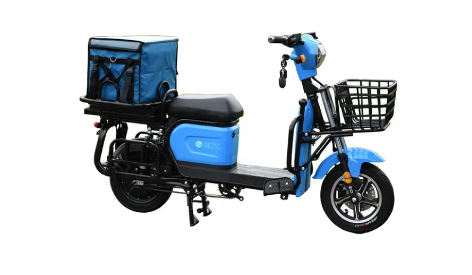
Understanding the common causes of e-bike accidents helps identify how they can be prevented. Here are the most frequent issues observed:
Over-speeding or tampering with the motor – Some riders modify their e-bikes to go faster than legal limits, drastically increasing risk.
Ignoring traffic signals – Treating e-bikes like regular bicycles and running red lights often leads to collisions.
Distracted riding – Using mobile phones or headphones reduces reaction time.
Inexperience – New riders may misjudge braking distances or cornering behavior.
Poor maintenance – Faulty brakes or low tire pressure can easily lead to loss of control.
By addressing these factors through awareness and maintenance, e-bike safety can be significantly improved.
Modern electric bikes are equipped with several features that enhance safety and control. Manufacturers have integrated technology once found only in motorcycles into today’s e-bikes.
Advanced braking systems provide smoother deceleration and better control, preventing wheel lock and skidding.
E-bikes often include sensors that regulate motor power output based on pedal pressure and speed limits, ensuring safe acceleration.
Built-in LED headlights and tail lights increase visibility during night rides — a crucial factor in preventing collisions.
Overheating or power surges can cause electrical hazards. A high-quality BMS ensures stable voltage and prevents battery-related accidents.
Smart e-bikes come with mobile app integration that helps locate the bike or send alerts in case of theft, improving both security and safety.
In urban environments, electric bikes offer several advantages that indirectly improve safety compared to motorcycles:
Lower average speeds reduce the risk of fatal collisions.
Dedicated lanes for bicycles and e-bikes separate them from fast-moving traffic.
Easier maneuverability allows riders to avoid hazards quickly.
Quieter motors mean less noise pollution, contributing to a calmer riding experience.
For delivery workers, commuters, and eco-conscious travelers, e-bikes represent a safer and more sustainable transportation option.
When all factors are considered, motorcycles remain significantly more dangerous than electric bikes, primarily due to their speed, weight, and highway use.
However, e-bikes come with their own risks — especially when used without proper understanding of road rules or safety practices.
Here’s a quick summary comparison:
Aspect | Electric Bike | Motorcycle |
Top Speed | 25–45 km/h | 100–200+ km/h |
Weight | 20–35 kg | 150–250 kg |
License Required | Often not required | Always required |
Average Accident Severity | Low to moderate | High to fatal |
Protective Gear Usage | Low (optional) | High (mandatory) |
Common Environment | City streets, bike lanes | Roads, highways |
The data clearly shows that while e-bikes can cause accidents, the severity and fatality rates are much lower than motorcycles. With proper awareness and safety measures, e-bike riding can be one of the safest forms of personal mobility.
Always wear a certified helmet.
Follow traffic laws as you would with a car or motorcycle.
Avoid distractions — keep both hands on the handlebars.
Inspect your e-bike regularly — check brakes, tires, and battery connections.
Ride defensively — assume that drivers may not see you.
Use reflective clothing and lights at night.
Avoid overloading or modifying your e-bike’s motor speed beyond regulations.
Simple precautions like these can make a major difference in preventing accidents.
Manufacturers are continuously innovating to make e-bikes safer. Future trends include:
Collision detection systems that alert riders of nearby vehicles
Automatic braking for emergency situations
Smart helmets with Bluetooth communication and fall detection sensors
Improved frame materials that absorb impact energy
These advancements are positioning electric bikes as the cornerstone of smart, safe, and sustainable urban transportation.
So, are electric bikes more dangerous than motorcycles?
The answer is no — not when used responsibly. Electric bikes operate at lower speeds, produce fewer severe injuries, and are supported by new safety technologies that continue to evolve.
E-bikes are reshaping urban mobility by offering a balance between convenience, sustainability, and safety. While caution and awareness are essential for every rider, electric bikes remain a far safer and more accessible choice for daily commuting and recreation.
If you’re considering investing in a reliable, high-performance electric bike, it’s important to choose one built with quality and safety in mind.
For premium electric mobility solutions designed for both performance and rider protection, visit www.hofanmotor.com.


