
Views: 0 Author: Site Editor Publish Time: 2026-03-19 Origin: Site


Electric vehicles are changing the way people move through cities. Among them, Electric Scooters have quickly become one of the most popular options for short urban trips. You can see them near subway stations, office buildings, and college campuses. But many people still ask an important question: Are Electric Scooters really safe to ride every day?
Safety depends on more than just the scooter itself. Riding habits, road conditions, traffic awareness, and product quality all influence how safe a trip will be. When riders understand these factors, they can make smarter decisions before and during every ride. In this article, you will learn what makes Electric Scooters safe to ride. We will explore design features, practical safety habits, and real riding situations. You will also see how reliable manufacturers, such as HOFAN, contribute to safer electric mobility through strong engineering and production standards.
Every Electric Scooter includes several essential components that affect stability and control:
● Deck – the platform where riders stand
● Handlebars – provide steering and balance
● Tires – absorb shocks and maintain traction
● Braking system – slows or stops the scooter safely
● Electric motor and battery – power the vehicle
A well-designed scooter distributes weight evenly. This helps riders stay balanced when accelerating or turning. Strong frames and responsive braking systems also reduce the chance of losing control.
For example, some modern Electric Scooters include wider decks, improved suspension, and larger tires. These upgrades make rides smoother on uneven roads.
Speed plays an important role in rider safety. Many Electric Scooters travel between 15 and 25 miles per hour, which is fast enough for urban commuting. However, controlling speed matters more than maximum power.
Reliable braking systems—such as disc brakes or electronic braking—allow riders to slow down quickly when necessary. Smooth acceleration also helps riders maintain balance.
A scooter that accelerates gradually and stops predictably gives riders more time to react to traffic or obstacles.
Even the best scooter cannot replace rider awareness. Skill and attention strongly influence safety.
New riders should learn several basic techniques:
● Keeping both feet stable on the deck
● Maintaining steady steering control
● Practicing smooth acceleration and braking
● Watching the road ahead
With experience, riders develop faster reaction times. They become better at adjusting speed and avoiding obstacles.
Many experienced riders recommend practicing in quiet areas before entering busy streets.
Road conditions also affect safety. Smooth pavement and dedicated bike lanes make riding much easier. Rough surfaces or crowded streets require more caution.
Common environmental factors include:
Condition | Impact on Safety |
Smooth pavement | Easier balance and control |
Bike lanes | Safer separation from traffic |
Heavy traffic | Requires stronger awareness |
Uneven surfaces | Can affect small scooter wheels |
When possible, riders should choose routes designed for bicycles or micromobility devices. These areas reduce conflicts between vehicles and scooters.
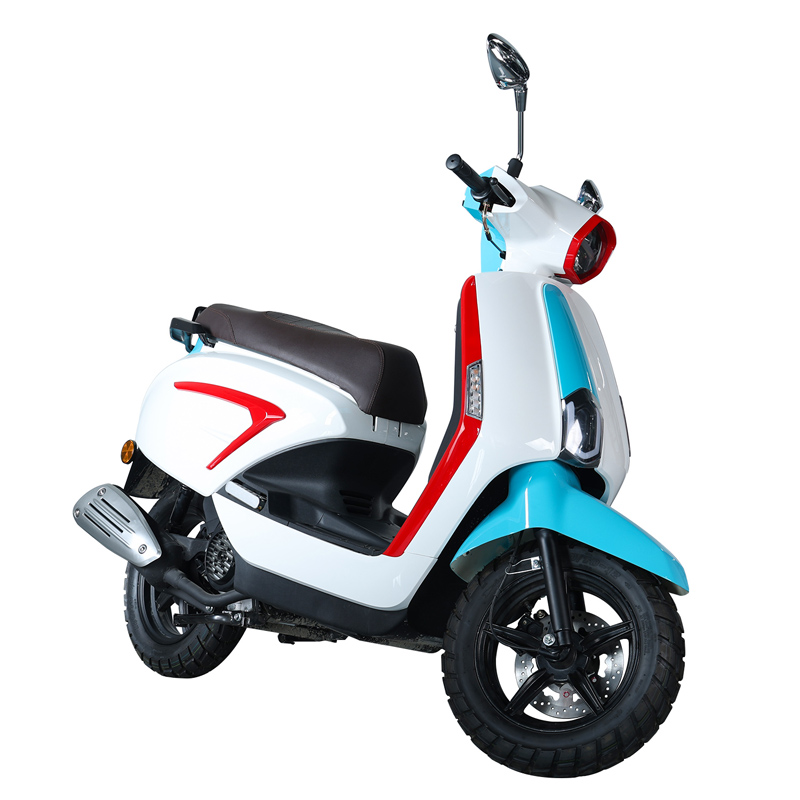
Safe riding habits greatly improve the overall experience. Small actions can significantly reduce risks and make rides smoother.
Protective equipment is the first line of defense.
The most important item is a helmet. It helps protect the head during sudden falls or collisions. Many riders also use additional safety gear, including:
● Knee pads
● Elbow pads
● Reflective clothing
● Gloves
Reflective gear is especially useful when riding at night because it improves visibility.
City streets often include many types of road users. Cars, cyclists, and pedestrians share the same space.
Defensive riding means staying alert and anticipating movement around you. Riders should:
● Watch for turning vehicles
● Keep a safe distance from pedestrians
● Reduce speed in crowded areas
Being predictable helps others understand your movement.
Every city has regulations for Electric Scooters. These rules may include speed limits, riding zones, and age requirements.
Common regulations include:
● Riding only in bike lanes or on certain roads
● Stopping at traffic lights
● Yielding to pedestrians
● Avoiding sidewalks in busy areas
Following these rules improves safety and reduces accidents.
Most Electric Scooters are designed for a single rider. Carrying two people changes the scooter's balance and braking distance, which can make steering less stable. Extra weight also places more pressure on the frame and braking system. Riding alone helps maintain proper control, improves stability, and allows smoother, safer handling on city streets.
Focus is essential while riding. Using phones or listening to loud music reduces awareness of surroundings. Riders should keep both hands on the handlebars and watch the road ahead. Even small distractions can affect reaction time.
Note: Many injuries occur because riders become distracted by phones or headphones while moving.
Many cities recommend riders be 16 years or older. Older teens and adults typically have better coordination and stronger judgment in traffic situations.
They also understand road rules more clearly.
Parents should review local laws before allowing younger riders to use scooters.
Learning gradually helps build confidence. Beginners should practice in quiet parking areas or empty streets before joining busy traffic. These spaces allow riders to explore acceleration, braking, and steering safely.
During early practice sessions, riders should focus on three essential skills:
Skill | Why It Matters | Practice Method |
Controlled acceleration | Prevents sudden balance loss | Start slowly on open pavement |
Smooth braking | Ensures safe stopping distance | Practice gradual braking |
Balanced turning | Maintains control during corners | Ride slow circles |
Developing these skills first allows riders to approach city traffic with greater confidence.
Real-life riding conditions often vary. Understanding how to react in different situations improves safety.
City riding requires awareness and visibility.
Riders should position themselves where drivers can see them clearly. Bike lanes provide the safest space when available.
Using hand signals and maintaining predictable movement helps drivers understand your intentions.
Visibility becomes more important after sunset.
Safe night riding practices include:
● Using front and rear lights
● Wearing reflective clothing
● Reducing speed
These steps allow drivers and pedestrians to see riders more easily.
Scooters usually have smaller wheels than bicycles. As a result, rough roads require careful riding.
Common hazards include:
● Potholes
● Cracks in pavement
● Road debris
Reducing speed and scanning the road ahead helps riders avoid sudden bumps.
In busy urban areas, pedestrians and scooters often share space.
Respectful riding improves safety for everyone. Riders should slow down near pedestrians and maintain controlled movement.
Clear communication—such as giving space when passing—creates a smoother experience for all road users.
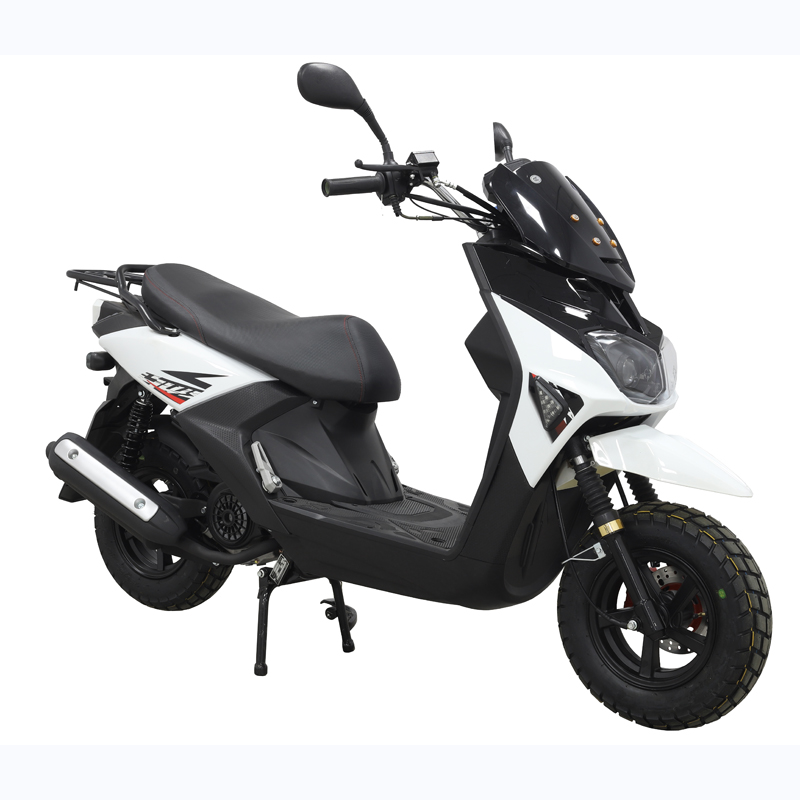
The design and construction of a scooter influence how stable and reliable it feels during use.
Strong frames, dependable motors, and reliable braking systems contribute to consistent performance. Riders feel more confident when their equipment responds predictably.
Higher-quality Electric Scooters often include:
● Reinforced frames
● Durable tires
● Stable braking systems
● Reliable battery systems
These features help maintain control during daily commuting.
Manufacturing experience often translates into better engineering and stronger quality control.
Companies such as HOFAN have spent decades producing motorcycles, scooters, and electric mobility vehicles. Their engineering teams and certified manufacturing processes show how established manufacturers can improve reliability and product consistency.
Experienced manufacturers typically focus on:
● Strong frame construction
● dependable motors
● durable battery systems
● long service life
These qualities contribute to a more stable riding experience.
Even a well-built scooter requires regular inspection. Riders should perform a quick check before every ride.
A simple inspection includes:
● Checking brakes
● Inspecting tires for damage
● Confirming battery charge
● Testing throttle response
These steps take less than a minute but help ensure the scooter operates correctly.
Tip: A quick pre-ride check helps riders identify small issues before they affect performance.
Scooters provide efficient short-distance travel. They allow riders to move quickly through dense city areas where cars struggle. Their compact design also simplifies parking and storage.
Benefit | Impact on Urban Travel |
Compact size | Easier parking in crowded areas |
Electric power | Lower emissions and noise |
Flexible mobility | Ideal for first-mile commuting |
These advantages make scooters attractive for commuters, students, and delivery services.
Public awareness of micromobility safety continues to grow in many cities. Riders increasingly understand the value of helmets, training, and responsible riding habits during daily travel. Educational programs and community discussions also help people learn safer riding practices. Cities promote safety campaigns, improve road signs, and build better bike lanes to support safer scooter use.
Vehicle technology continues improving. Many modern Electric Scooters now include better braking systems, improved battery management, and stronger frames.
Manufacturers such as HOFAN, active in the scooter and electric vehicle industry, show how engineering development and certified production standards can support dependable transportation.
As product quality improves and riders follow responsible habits, confidence in electric mobility continues to grow.
So, are Electric Scooters safe? In many cases, yes. Safety improves when riders stay alert, wear proper protective gear, and follow traffic rules. Training and practice also help riders control speed and balance more easily. Reliable scooter design plays a key role as well. Strong frames, responsive brakes, and stable decks allow smoother control during daily travel. When these elements work together, Electric Scooters become a practical option for short urban trips.
Experienced manufacturers also support safer mobility through engineering and quality control. Wuxi Hongfan Group. develops electric scooters using durable materials, stable vehicle structures, and careful production standards. These features help riders enjoy reliable performance and consistent handling. Combined with responsible riding habits, well-designed Electric Scooters can deliver convenient, efficient transportation for modern cities.
A: Yes, Electric Scooters can be safe for daily commuting when riders follow basic safety habits. Wearing a helmet, riding at controlled speeds, and obeying traffic rules all help reduce risks. Choosing a well-built scooter and staying aware of road conditions also improves overall safety.
A: Safe Electric Scooters usually include strong braking systems, stable decks, reliable tires, and responsive acceleration controls. These features help riders maintain balance and stop quickly when needed. Good lighting and reflective elements also improve visibility in traffic.
A: Beginners should practice using Electric Scooters in quiet areas before entering busy streets. Learning smooth acceleration, controlled braking, and balanced turning helps build confidence. Riders should also check brakes and tires before each ride.
A: Rider awareness plays a major role in the safety of Electric Scooters. Staying alert, avoiding distractions, and watching traffic help prevent accidents. Defensive riding also allows people to react quickly to pedestrians, vehicles, or road hazards.
A: In many places, riders should be at least 16 years old to use Electric Scooters safely. Older teens often have better coordination and understanding of traffic rules. Parents should review local regulations and ensure young riders wear protective gear.
A: Before riding Electric Scooters, check the brakes, tires, battery level, and throttle response. A quick inspection ensures the scooter operates properly. Regular checks also help prevent mechanical issues during daily rides.


