
Views: 0 Author: Site Editor Publish Time: 2025-09-17 Origin: Site


Electric tricycles, often referred to as e-trikes, have become a popular solution in both urban and rural areas for their affordability, stability, and eco-friendliness. Unlike traditional vehicles powered by gasoline or diesel, electric tricycles rely entirely on batteries to store and deliver energy to their motors. This makes the battery the single most important component influencing overall performance.
From speed and driving range to load capacity and durability, every aspect of an electric tricycle’s functionality is linked to its battery. As battery technology evolves, so too does the potential of electric tricycles, making them more efficient, cost-effective, and practical for daily use. Understanding the relationship between batteries and electric tricycles is essential for consumers, businesses, and policymakers looking to maximize their benefits.
This article explores how battery technology shapes electric tricycle performance, the different types of batteries commonly used, the challenges involved, and the future innovations that promise to transform the industry.
The battery in an electric tricycle is more than just a power source—it is the heart of the entire vehicle. Its capacity determines how far the tricycle can travel on a single charge, while its efficiency affects how much power is delivered to the motor. The weight of the battery also plays a critical role in balancing stability with speed.
Without an efficient and reliable battery, an electric tricycle would be unable to meet the needs of its users. Whether it is a farmer transporting produce, a delivery worker navigating city streets, or a family commuting in rural areas, battery performance directly influences convenience, safety, and cost-effectiveness.
Historically, lead-acid batteries have been the most common choice for electric tricycles due to their affordability and availability. They are relatively easy to manufacture and provide sufficient power for short-distance commuting or light cargo transport. However, lead-acid batteries are heavy, have shorter lifespans, and take longer to charge compared to newer technologies.
For users with minimal transport needs or limited budgets, lead-acid batteries still serve as a practical entry-level solution. But their limitations have driven the search for alternatives that offer longer ranges and greater efficiency.
Lithium-ion batteries are increasingly becoming the preferred choice for modern electric tricycles. They offer significantly higher energy density, which means more power can be stored in a smaller and lighter package. This improves the driving range, reduces the overall weight of the tricycle, and increases efficiency.
Lithium-ion batteries also charge faster and last longer than lead-acid ones, making them ideal for users who rely heavily on their electric tricycles for daily operations. Although they are more expensive upfront, their durability and performance justify the investment over time.
In addition to lead-acid and lithium-ion, other advanced battery technologies are being explored for electric tricycles. Solid-state batteries, for example, promise even higher energy density, faster charging times, and improved safety. While these technologies are still in development and not yet widely available, they represent the future of electric mobility and could revolutionize electric tricycle performance in the coming years.
One of the most critical concerns for electric tricycle users is range—the distance the vehicle can travel before needing to recharge. Batteries with higher capacity allow for longer trips, which is especially important for delivery workers, rural commuters, and farmers. Lithium-ion batteries generally offer superior range compared to lead-acid models, making them the preferred choice for heavy users.
The ability of an electric tricycle to carry passengers or cargo depends not only on its motor but also on the battery’s power output. A weak battery may struggle to deliver enough energy when the tricycle is fully loaded, leading to slower speeds or reduced performance on uphill roads. Advanced batteries provide steady power delivery, ensuring the tricycle remains reliable under various conditions.
For users who depend on their electric tricycles throughout the day, charging time is a significant factor. Long charging cycles can disrupt daily activities and reduce productivity. Lithium-ion batteries, with their faster charging capabilities, minimize downtime and enable more efficient use of the vehicle.
The durability of a battery directly impacts the overall cost of ownership. Lead-acid batteries may need replacement after a year or two, while lithium-ion batteries can last several years with proper maintenance. A longer-lasting battery reduces replacement costs and ensures consistent performance over time.
Battery weight also influences the design and stability of electric tricycles. Heavier lead-acid batteries add bulk, which can reduce speed and maneuverability. Lighter lithium-ion batteries allow for better handling, improved efficiency, and a more comfortable riding experience.
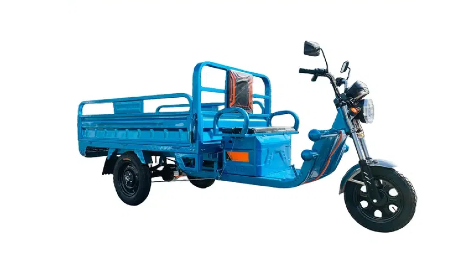
The type of battery chosen for an electric tricycle also affects long-term costs. While lead-acid batteries are cheaper upfront, their shorter lifespan and higher maintenance costs can make them more expensive over time. In contrast, lithium-ion batteries require a larger initial investment but offer significant savings through durability, efficiency, and lower energy costs.
For small businesses, delivery services, and farming operations, these savings can make a meaningful difference. A reliable battery not only improves productivity but also reduces operational expenses, supporting long-term economic sustainability.
Battery technology also carries environmental implications. Lead-acid batteries, if not properly disposed of, can cause serious environmental damage due to toxic materials. Recycling infrastructure is necessary but often lacking in rural areas.
Lithium-ion batteries are cleaner during operation but still present challenges in terms of mining raw materials and eventual recycling. However, advances in battery recycling technology and increased focus on sustainability are improving the environmental footprint of these batteries. For communities aiming to embrace eco-friendly solutions, adopting advanced battery technologies for electric tricycles is a step in the right direction.
In rural areas, limited charging infrastructure is one of the main barriers to electric tricycle adoption. Long distances and unreliable electricity supply make battery range and charging solutions even more important. In urban environments, the challenge lies in handling heavy daily usage and ensuring batteries can withstand frequent charging cycles without degrading.
Innovative solutions such as solar-powered charging stations, portable chargers, and battery-swapping systems are beginning to address these issues. By improving access to charging, battery technology can unlock even greater potential for electric tricycles in both rural and urban settings.
Battery research is advancing rapidly, and several innovations are poised to reshape the industry:
Solid-State Batteries: Offering higher energy density and improved safety, they could greatly increase driving range.
Fast-Charging Technology: Reducing charging time to minutes instead of hours will enhance convenience and productivity.
Smart Battery Management Systems (BMS): Advanced monitoring ensures batteries are used efficiently and protected from damage.
Recycling and Second-Life Applications: Efforts to recycle lithium-ion batteries and repurpose them for less demanding applications will improve sustainability.
These innovations will not only improve performance but also reduce costs and environmental impact, making electric tricycles more attractive and accessible worldwide.
Battery technology is the foundation of electric tricycle performance, influencing everything from driving range and load capacity to durability and cost. The transition from lead-acid to lithium-ion batteries has already transformed the industry, enabling longer-lasting, faster-charging, and more efficient tricycles. Looking ahead, innovations like solid-state batteries and advanced management systems promise even greater improvements.
For individuals, families, and businesses, the choice of battery determines not only the performance of the tricycle but also its economic and environmental impact. As technology advances, electric tricycles will become an even more powerful tool for sustainable mobility, serving both urban and rural communities.
Companies leading the way in adopting and promoting advanced battery technologies are helping shape this future. Wuxi Hongfan Group, with its commitment to innovation and quality, stands as an example of how battery technology can drive progress in electric tricycles, ensuring better performance, efficiency, and sustainability for users everywhere.


