
Views: 0 Author: Site Editor Publish Time: 2026-02-04 Origin: Site


In many parts of the world, gasoline tricycles have established themselves as reliable, versatile, and cost-effective transportation solutions. Whether used for cargo transport, passenger mobility, or small business operations, these vehicles offer unique advantages tailored to various needs. As transportation demands evolve with urbanization and economic growth, selecting the right vehicle becomes crucial, and gasoline tricycles continue to be a popular choice due to their balance of power, efficiency, and affordability.
This article explores the comprehensive benefits of gasoline tricycles, backed by data analysis, product comparisons, and emerging trends in the industry. We also highlight how reputable manufacturers like Wuxi Hongfan Group uphold quality and innovation standards, supporting buyers in making informed decisions. The focus remains sharply on gasoline tricycles to ensure optimal keyword relevance and user search intent alignment.
Compared to four-wheeled vehicles or electric tricycles, gasoline tricycles often feature a lower purchase price. Their simple mechanical design and mature production technologies reduce manufacturing costs, which translates into affordable prices for consumers.
Gasoline remains one of the most widely available fuels globally, especially in rural and semi-urban areas where alternative energy infrastructure may be lacking.
The ubiquity of fuel stations ensures easy refueling with minimal downtime.
This advantage makes gasoline tricycles highly practical in regions where electric vehicle charging infrastructure is underdeveloped.
Gasoline tricycles are known for their reliable power output, which supports both passenger transport and cargo hauling.
| Feature | Gasoline Tricycles | Electric Tricycles |
|---|---|---|
| Engine Displacement | 110cc to 250cc | Typically under 1500W motor power |
| Load Capacity | 300-500 kg | 200-350 kg |
| Terrain Adaptability | Suitable for rough and uneven roads | Best for urban and flat areas |
Their internal combustion engines deliver strong torque, ideal for steep inclines and uneven terrains.
The load capacity makes them indispensable for small businesses and delivery services.
One critical factor favoring gasoline tricycles is the accessibility of spare parts and the familiarity of local mechanics with their technology.
Maintenance is straightforward, with most parts standardized across models. Hofan offers a wide range of spare parts and after-sales service, thanks to its well-established supply chain and engineering expertise.
Unlike electric tricycles that depend on battery capacity and charging time, gasoline tricycles boast longer continuous travel ranges and fast refueling times.
Typical fuel tanks allow for 300-400 km of travel on a single fill.
Refueling takes just minutes, enhancing productivity in daily operations.
Gasoline tricycles serve numerous sectors effectively, including:
Agriculture: Transporting produce and supplies on farms.
Logistics: Last-mile delivery and goods transport.
Passenger Transport: Affordable public transit options in rural areas.
Construction: Carrying materials on-site with ease.
Their versatility makes them a popular choice worldwide.
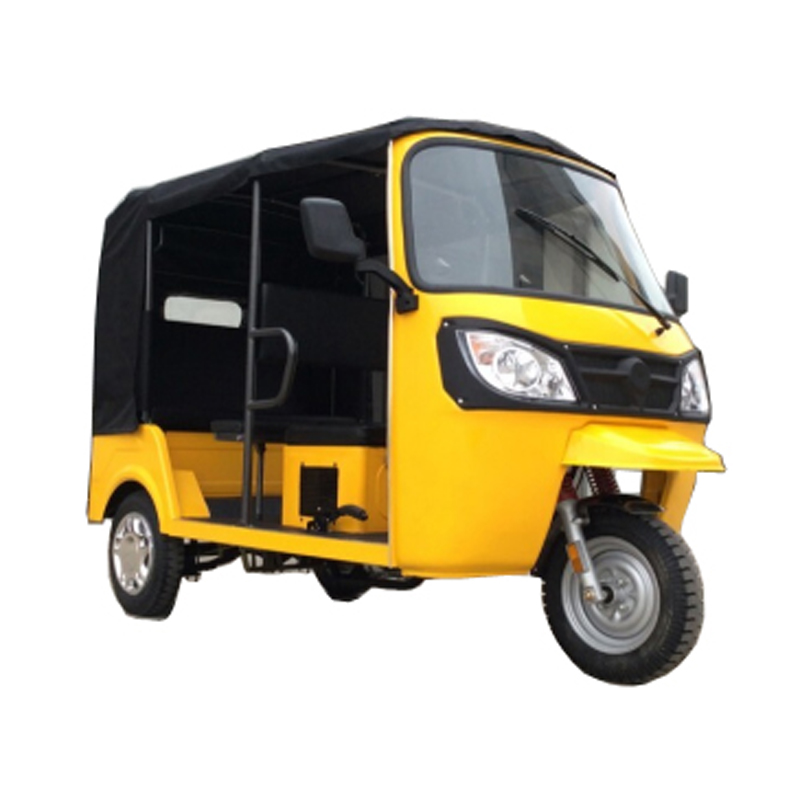
Modern gasoline tricycles benefit from improved engine oils that increase engine life and reduce wear. Synthetic lubricants also boost fuel efficiency, aligning with environmental concerns.
While gasoline engines traditionally emit more pollutants than electric models, innovations such as catalytic converters and better combustion control are lowering emissions, making gasoline tricycles more environmentally friendly.
With certifications like ISO9001 and ISO14001, companies ensure that gasoline tricycles meet high-quality and environmental management benchmarks. Wuxi Hongfan Group’s adherence to these standards reflects its commitment to sustainability and performance.
| Aspect | Gasoline Tricycles | Electric Tricycles |
|---|---|---|
| Operating Range | Generally longer range, suitable for extended trips and heavy loads, typically 300-400 km per refuel. | Limited by battery capacity, usually around 80-150 km per charge, ideal for short-distance urban transport. |
| Refueling/Recharging Time | Quick refueling within minutes, facilitating high uptime and minimal operational interruption. | Recharging takes significantly longer, ranging from 1 to 8 hours depending on battery type and charger capacity. |
| Load Capacity | Higher payload capability due to engine torque and structural design, supporting 300-500 kg or more. | Generally lower payload, often between 200-350 kg, suited for lighter cargo and passenger loads. |
| Maintenance Complexity | Mechanical systems require regular oil changes, spark plug replacements, and fuel system maintenance, but parts and skills are widely available. | Fewer moving parts reduce mechanical wear; however, battery health and electronic components require specialized care and potential replacement costs. |
| Energy Efficiency | Internal combustion engines have lower overall energy efficiency but benefit from readily available fuel. | Higher energy efficiency at the motor level and zero tailpipe emissions, contributing to environmental benefits. |
| Environmental Impact | Emits greenhouse gases and pollutants, though modern engines are improving emissions through better technology. | Zero tailpipe emissions; overall environmental impact depends on electricity generation source. |
| Suitability by Terrain | Performs well on rough, uneven, or rural terrains due to combustion engine power and durable build. | Best suited for smooth, urban environments; less optimal on challenging terrain due to limited torque and battery constraints. |
Today’s users prioritize:
Cost-efficiency for running small businesses or deliveries.
Reliability in areas with limited charging stations.
Performance to handle diverse loads and road conditions.
Gasoline tricycles satisfy these demands effectively. With ongoing technological upgrades and manufacturing improvements, they remain a competitive and practical transportation solution.
Yes, gasoline tricycles generally offer higher load capacities and engine power than electric alternatives, making them suitable for heavier cargo.
Gasoline tricycles typically have fuel efficiency ranging from 30 to 50 km per liter of fuel, depending on load and conditions, while electric tricycles’ energy consumption varies widely based on battery capacity.
They benefit from simpler mechanical designs, wider availability of parts, and a well-established repair network.
Recent models incorporate emission-reducing technologies, though they generally emit more pollutants than electric tricycles.
With ISO certifications, robust production capacity, and decades of industry experience, Wuxi Hongfan Group offers reliable, high-quality gasoline tricycles tailored to diverse transportation needs.
In conclusion, gasoline tricycles remain a practical, cost-effective, and versatile option for a wide range of transportation needs. Their affordability, power, and extensive support networks, especially from reputable manufacturers like Wuxi Hongfan Group, make them an excellent choice for businesses and individuals seeking reliable mobility solutions in today’s fast-evolving transport landscape.


