
Views: 0 Author: Site Editor Publish Time: 2026-03-23 Origin: Site


What happens when rain starts during your ride? Many riders ask this question sooner or later. An Electric Scooter is convenient for daily travel, but wet weather can raise safety concerns. Electric scooters are now common in cities. People use them for commuting, short errands, and quick urban trips. Yet rain changes road conditions. Wet pavement reduces traction, and water may reach sensitive scooter parts.
Most modern scooters include basic water resistance. They can handle splashes or light rain during normal riding. However, riders still need to understand their scooter’s limits and adjust how they ride. In this article, we will explore whether you can ride an Electric Scooter in the rain. You will learn how water resistance works, what IP ratings mean, and how to ride safely in wet conditions.
The short answer is yes — but only under certain conditions. Many electric scooters can handle light rain. However, heavy rainfall or flooded roads increase risks for both the rider and the vehicle.
Understanding the limits of your scooter helps you make safer riding decisions.
Light rain usually creates manageable riding conditions. Roads become wet, but traction often remains acceptable when riders reduce speed.
Typical safe conditions include:
● Light drizzle
● Short rain showers
● Damp roads after rainfall
In contrast, heavy rain presents greater challenges:
● Water collects on the road surface
● Visibility becomes limited
● Braking distance increases
● Tires lose grip more easily
Heavy downpours or storm conditions make riding much less predictable. In these situations, postponing the ride is often the better option.
Electric scooters contain sensitive components such as:
● Battery packs
● Motor controllers
● Wiring systems
● display electronics
Manufacturers protect these components using several design techniques:
● sealed battery housings
● rubber gaskets
● protective cable routing
● water-resistant coatings
These features help prevent moisture from entering critical areas. They do not make the scooter fully waterproof, but they provide reasonable protection against splashes and light rain.
Before riding in wet conditions, riders should check the IP rating of their electric scooter.
IP stands for Ingress Protection, a standard used to measure how well a device resists dust and water.
For electric scooters, the second number of the IP rating shows water protection.
Higher numbers indicate better resistance.
IP Rating | Water Protection Level | Suitable Conditions |
IPX4 | Splash protection | Light rain |
IPX5 | Water jets | Moderate rain |
IPX6 | Strong water jets | Heavy rain exposure |
IPX7 | Temporary immersion | Rare for scooters |
Many commuter scooters use IP54 or IP65 ratings, which allow them to handle splashes and light rain safely.
Sometimes rain begins while you are already riding. In this case, continuing your ride carefully is often acceptable.
Reasonable situations include:
● a short commute home during light rain
● light drizzle during urban travel
● damp pavement after rainfall
The key is adjusting speed and maintaining awareness of road conditions.
Certain weather situations require extra care or should be avoided.
These include:
● thunderstorms
● flooded streets
● extremely poor visibility
● strong wind combined with rain
Riding during these conditions increases accident risk and may expose your scooter to excessive water.
Note: Even water-resistant scooters should avoid deep puddles. Hidden potholes or debris may damage wheels or suspension.
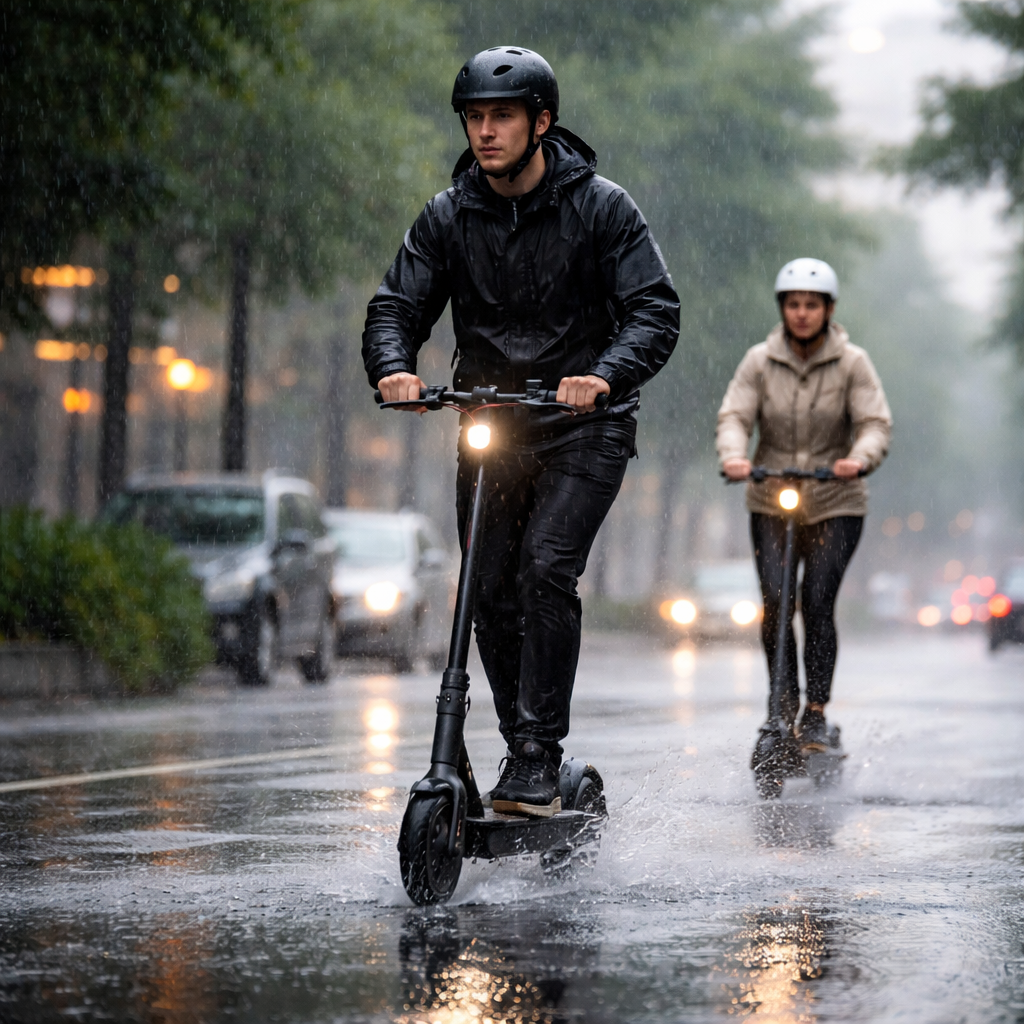
Many riders assume an electric scooter labeled as water-resistant is fully waterproof. In reality, these terms mean different things.
Water-resistant scooters are designed to handle limited exposure to moisture.
This usually includes:
● road splashes
● light rainfall
● brief contact with wet surfaces
Engineers achieve this protection using sealed components and protective housings.
However, prolonged exposure to water can still create problems such as corrosion or electrical issues.
A waterproof device can remain submerged without damage. Electric scooters rarely meet this standard because they contain large battery systems and exposed mechanical parts.
Instead, they rely on water resistance. Riders should treat the scooter similarly to other electronic transportation devices.
The table below highlights the difference:
Protection Level | Description | Example Devices |
Waterproof | Can remain underwater safely | Diving cameras |
Water-resistant | Handles splashes and rain | Electric scooters |
Splash resistant | Handles small droplets | Basic electronics |
Build quality influences how well a scooter performs in wet environments. Manufacturers such as HOFAN, known for producing motorcycles, electric bikes, and mobility vehicles, emphasize strong structural design and reliable manufacturing standards. Their engineering experience demonstrates how consistent production methods contribute to durability in daily riding.
Understanding IP ratings helps riders evaluate how well their scooter handles rain and water exposure.
The IP rating contains two numbers:
● The first digit measures protection against dust.
● The second digit measures protection against liquids.
For riding in rain, the second number matters most.
A higher number means stronger resistance to water.
Below is a simple comparison of common scooter ratings.
Rating | Protection Level | Typical Use |
IP54 | Splash resistance | Light rain commuting |
IP65 | Water jet protection | Moderate rain exposure |
IP67 | Temporary immersion resistance | Rare, higher-end models |
IP65 or higher ratings provide stronger protection against water exposure.
Each rating corresponds to different weather conditions.
For example:
● IP54 scooters handle splashes and light rain.
● IP65 scooters offer stronger sealing and better wet-weather capability.
● IP67 scooters provide higher protection but are still not designed for submersion.
These ratings help riders choose scooters suited to their climate and commuting habits.
If you often ride in unpredictable weather, consider scooters that include:
● sealed battery compartments
● strong frame construction
● reliable electrical protection
● higher IP ratings
These design elements improve durability and reduce water exposure risks.
Tip: Riders in rainy climates should prioritize scooters with at least IP54 protection for daily commuting.
Riding in rain requires adjustments to maintain control and stability.
Wet pavement reduces tire traction. As a result, braking distance increases.
Safe riding practices include:
● reducing speed
● braking earlier
● avoiding sudden stops
● maintaining smooth acceleration
Gradual braking helps maintain stability and prevents wheel lock.
Rain reduces visibility for both riders and drivers.
Improving visibility helps prevent accidents.
Useful steps include:
● turning on scooter lights
● wearing reflective clothing
● using a helmet visor or clear eyewear
These measures help other road users see you more easily.
Certain surfaces become extremely slippery in rain.
Examples include:
● painted road lines
● metal covers
● brick pavement
● wet leaves
Riders should slow down and avoid sudden turns when crossing these surfaces.
Puddles should also be avoided whenever possible. They may hide potholes or debris.
Proper maintenance after riding in rain helps extend the lifespan of the scooter.
After a wet ride, wipe the scooter using a dry cloth.
Focus on areas such as:
● deck surface
● battery compartment area
● wheel hubs
Allow the scooter to air dry in a ventilated location.
A quick inspection helps detect moisture buildup.
Check the following areas:
● tire pressure
● brake system
● wiring connections
● display panel
Early inspection prevents minor issues from becoming larger problems.
Moisture trapped inside small spaces can eventually cause corrosion.
Prevent this by:
● drying the scooter after rain
● storing it indoors
● keeping connectors clean
Regular care improves reliability and long-term performance.
Note: Many manufacturers do not cover water damage under warranty, even for water-resistant scooters.
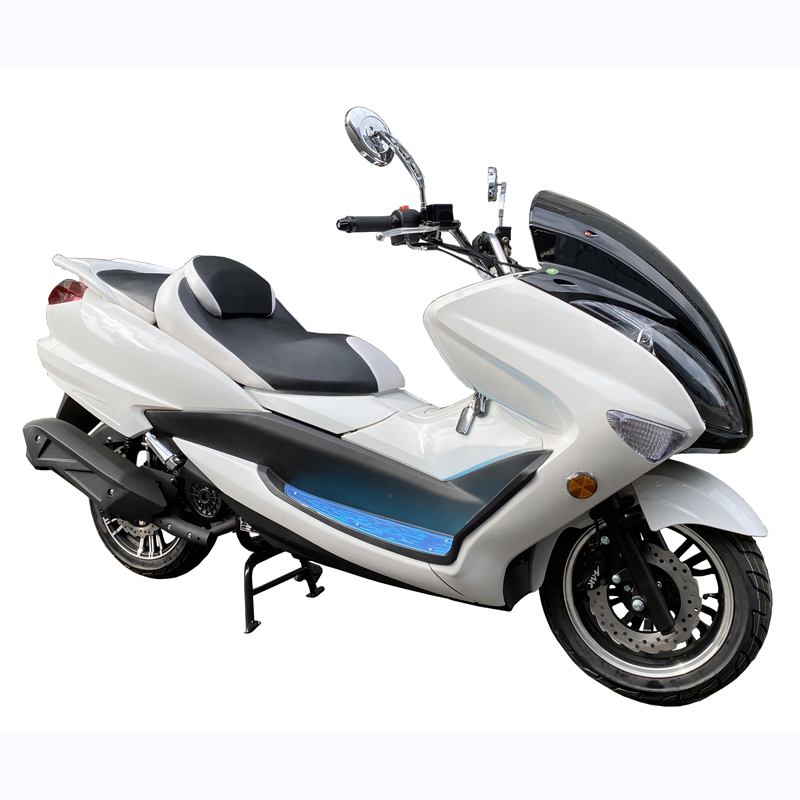
Rain mainly affects two critical systems inside the scooter.
The battery is one of the most important components in an electric scooter.
Water entering the battery compartment may lead to:
● short circuits
● charging problems
● battery failure
Manufacturers reduce this risk using sealed battery housings and protective insulation.
The motor and controller manage power delivery and speed.
These components often include protective casings to reduce water exposure.
Quality engineering ensures wiring and connectors remain protected during normal riding conditions.
Reliable manufacturers emphasize careful component design to improve overall durability.
If you frequently ride in changing weather, selecting the right scooter becomes even more important.
Certain design features improve stability and reliability in wet conditions.
Look for scooters with:
● strong lighting systems
● anti-slip deck surfaces
● responsive braking systems
● stable suspension
These features help riders maintain control on slippery roads.
Tires play a major role in wet-weather performance.
Common options include:
Tire Type | Performance in Rain |
Solid tires | Durable but less grip |
Pneumatic tires | Better traction |
Tubeless tires | Balanced performance |
Pneumatic tires often provide the best traction in wet conditions.
Durability depends on manufacturing quality and component design.
Established manufacturers like HOFAN focus on strong frames, consistent engineering standards, and reliable production processes. Their long history in motorcycles and electric mobility products reflects the importance of experience in building dependable scooters.
So, can you ride an Electric Scooter in the rain? In many cases, yes. Most modern scooters can handle light rain when riders stay cautious and understand their scooter’s limits. Wet roads reduce traction and visibility, so riders should slow down, avoid deep puddles, and pay attention to changing road conditions. Understanding IP ratings also helps riders judge how much water exposure their scooter can tolerate. Proper habits, such as smoother braking and careful turning, improve safety during rainy rides. After riding in wet conditions, drying the scooter and checking key components helps protect long-term performance.
Reliable equipment also plays an important role. Manufacturers like Wuxi Hongfan Group. focus on durable frames, stable electrical protection, and consistent engineering standards. Their electric mobility products are designed to provide dependable daily transportation, helping riders enjoy safer and more reliable travel even when weather conditions are less than ideal.
A: Yes, you can ride an Electric Scooter in light rain if the scooter has basic water resistance and you ride carefully. Riders should slow down, avoid deep puddles, and stay alert because wet roads reduce traction and visibility.
A: Most electric scooters are water-resistant rather than fully waterproof. An Electric Scooter usually includes sealed electronics and protective housings that handle splashes or drizzle, but prolonged exposure to heavy rain should still be avoided.
A: For occasional rain riding, an Electric Scooter should ideally have an IP54 rating or higher. This level provides protection against water splashes and light rain during normal commuting conditions.
A: Wet surfaces reduce tire grip and increase braking distance. When riding an Electric Scooter in the rain, painted road markings, metal covers, and puddles can become slippery, so riders should slow down and avoid sudden turns.
A: After riding in rain, wipe the Electric Scooter dry and store it in a ventilated indoor area. Check the tires, brakes, and electrical components to ensure moisture has not entered sensitive parts.
A: Yes, some Electric Scooter models include higher IP ratings, sealed battery compartments, and stronger frames. These features improve durability and help riders handle occasional wet conditions more confidently.


