
Views: 0 Author: Site Editor Publish Time: 2026-01-29 Origin: Site


The rise of electric motorcycles has revolutionized the way we think about urban mobility, offering a cleaner, quieter, and more efficient alternative to traditional gas-powered motorcycles. As more riders make the switch to electric, one key aspect that requires attention is charging. Understanding how to charge your electric motorcycle effectively, the different charging options, and how to maintain battery health can ensure that your riding experience remains smooth and convenient.
In this article, we will provide you with a detailed guide on charging electric motorcycles. We will cover everything from charging times and costs to battery maintenance, giving you all the information you need to keep your electric motorcycle in optimal condition. Whether you're a new owner or considering switching to electric, this article will help you make the most of your electric motorcycle experience.
Charging an electric motorcycle is similar to charging other electric vehicles (EVs), but there are a few differences that are unique to motorcycles. Electric motorcycles use a rechargeable lithium-ion battery that stores the electrical energy required to power the motor. When you plug in the charger, electricity flows into the battery, and the energy stored in the battery is used to power the motor during operation.
The battery is the most important component of your electric motorcycle, as it determines the bike’s range, performance, and charging requirements. Here’s what you need to know about electric motorcycle batteries:
Lithium-Ion Batteries: Most modern electric motorcycles use lithium-ion batteries, which are known for their high energy density and long lifespan. These batteries are efficient and can hold a charge for a long time without significant degradation.
Battery Capacity: Battery capacity is measured in kilowatt-hours (kWh). The higher the kWh, the greater the capacity and, in turn, the longer the range. Most electric motorcycles have batteries ranging from 2 kWh to 15 kWh, with larger capacities providing longer distances between charges.
Battery Lifespan: Lithium-ion batteries generally last for 500 to 1,000 full charge cycles, depending on usage and maintenance. Proper charging habits can extend the lifespan of your battery.
There are different ways to charge your electric motorcycle, and choosing the right charging option can depend on your needs and available resources. The three most common types of chargers are:
Standard Wall Outlet Charging (Level 1): This is the most basic method of charging and involves plugging your electric motorcycle into a standard 110-volt household outlet. While this method is widely accessible and requires no special installation, it is also the slowest, with charging times typically ranging from 8 to 12 hours for a full charge, depending on the battery capacity.
Level 2 Charging: Level 2 charging uses a 220-volt outlet, which is commonly found in electric vehicle (EV) charging stations and requires a specialized charging unit. This type of charging is much faster than Level 1, typically taking anywhere from 3 to 6 hours to fully charge a battery, depending on the capacity.
Fast Charging (Level 3 or DC Fast Charging): Some electric motorcycles are equipped with the ability to use DC fast charging stations, which can charge the battery up to 80% in as little as 30 minutes. However, not all motorcycles support this fast-charging method, and it is usually available at specialized charging stations.
When choosing the right charging option, consider how much time you have available for charging and where you will be riding your electric motorcycle. For daily commuting, Level 1 charging might be sufficient, but for longer trips, you may want to invest in a Level 2 charger or look for fast-charging stations along your route.
The charging time of an electric motorcycle depends on several factors, including the battery capacity, the charging method, and the charging infrastructure. Here’s how these factors affect charging time:
Battery Size: Larger batteries take longer to charge. For example, a 10 kWh battery may take 6 to 8 hours to fully charge using a Level 2 charger, while a smaller 3 kWh battery may only take around 3 hours.
Charging Rate: The charging rate is determined by the output of the charger and the input of the battery. Higher-rated chargers, such as Level 2 chargers, charge at a faster rate, while Level 1 chargers are slower.
State of Charge (SOC): If your battery is completely drained, it will take longer to reach a full charge. If the battery has some charge left, it may charge faster, as the system is not starting from zero.
Range per Charge: The range of an electric motorcycle on a full charge depends on the battery capacity and how efficiently the motor converts energy. The average electric motorcycle offers a range of 60 to 100 miles on a full charge, although high-performance models may offer ranges closer to 150 miles. Riders looking to use their motorcycle for long trips may need to plan for charging stations along the way, especially if their bike does not support fast charging.
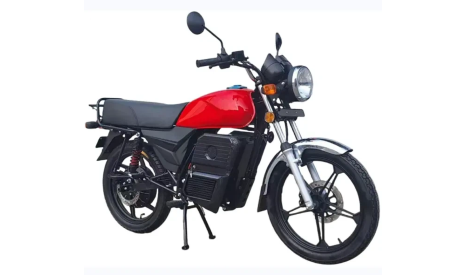
The cost of charging an electric motorcycle is significantly lower than fueling a gasoline-powered motorcycle, but it can still vary depending on several factors:
Electricity Rates: The cost of charging your electric motorcycle depends on local electricity rates. On average, the cost to fully charge an electric motorcycle is between $1 and $3 in the U.S. This is a fraction of the cost of filling a gas tank, especially when compared to the rising price of gasoline.
Charging Frequency: If you are commuting daily, your electric motorcycle will require frequent charging. However, the overall cost is still much lower than daily gas expenses.
Charging Stations: Public charging stations may charge a fee, especially fast-charging stations. However, many charging stations offer free access, and some may offer subscription-based pricing for frequent users.
In general, electric motorcycles are more cost-efficient in terms of energy consumption than gas-powered motorcycles. This contributes to their growing popularity among budget-conscious commuters and environmental enthusiasts alike.
Maintaining the health of your electric motorcycle’s battery is essential for ensuring longevity and optimal performance. Here are some tips for proper battery maintenance:
Avoid Overcharging: While modern batteries have built-in protection systems to prevent overcharging, it’s still a good idea to unplug the charger once the battery is fully charged to avoid prolonged exposure to high voltage.
Store in a Cool, Dry Place: Extreme temperatures can shorten the lifespan of your battery. Store your motorcycle in a cool, dry place and avoid leaving it exposed to extreme heat or cold.
Use the Battery Regularly: Lithium-ion batteries perform best when used regularly. If you leave your electric motorcycle unused for extended periods, the battery may lose its charge capacity over time.
Battery Health Monitoring: Some electric motorcycles come with battery management systems (BMS) that help monitor the battery's health and provide notifications if it’s time for maintenance or a replacement.
By following these maintenance tips, you can maximize the lifespan of your electric motorcycle’s battery and ensure smooth, reliable operation.
Charging electric motorcycles is a relatively simple and cost-effective process, but it requires attention to detail to ensure that your bike remains powered and ready to ride. With advancements in battery technology and charging infrastructure, electric motorcycles have become an increasingly viable option for everyday commuters and recreational riders. Whether you're looking to save on fuel costs, reduce your carbon footprint, or simply enjoy a smoother, quieter ride, switching to an electric motorcycle can offer numerous benefits.
For more information about high-quality electric motorcycles and charging solutions, Wuxi Hongfan Group offers a variety of options designed to meet the needs of modern riders. Their expertise in the electric motorcycle industry ensures that you can find the perfect bike to suit your lifestyle and requirements.
Q: How long does it take to charge an electric motorcycle?
A: Charging time varies depending on the battery size and charger type. It can take anywhere from 4 to 12 hours using a standard home charger, with fast chargers reducing this time to 1-2 hours.
Q: How far can an electric motorcycle go on a full charge?
A: Most electric motorcycles offer a range of 60 to 100 miles per charge, with some models offering up to 150 miles for long-range use.
Q: What is the cost of charging an electric motorcycle?
A: The cost typically ranges from $1 to $3 to fully charge an electric motorcycle, depending on local electricity rates and battery size.
Q: How can I extend the lifespan of my electric motorcycle's battery?
A: To extend the lifespan of your battery, avoid overcharging, store the bike in moderate temperatures, and use the battery regularly to prevent degradation.


