
Views: 0 Author: Site Editor Publish Time: 2026-01-30 Origin: Site


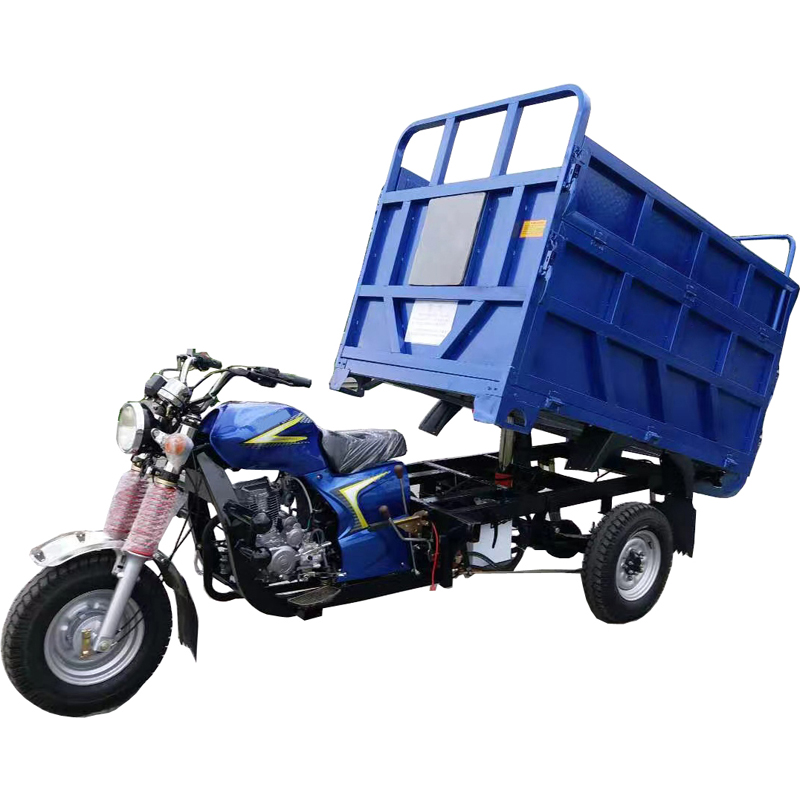
Gasoline tricycles have become an indispensable vehicle for small businesses, cargo transport, and personal mobility in many regions. Their affordability, strong load capacity, and fuel availability make them widely popular. However, like all combustion engine vehicles, gasoline tricycles can face common operational problems that may cause downtime or costly repairs if not promptly addressed.
This comprehensive article dives deep into the most frequent gasoline tricycle issues, offering practical troubleshooting tips backed by data analysis and product comparison. It also integrates the latest trends in maintenance and repair, highlighting how these affect gasoline tricycles performance and longevity.
Gasoline tricycles combine the mechanics of motorcycles with enhanced stability and cargo space, but this complexity introduces various points of failure. The most common problems typically revolve around the engine, fuel system, brakes, electrical components, and tires. Wuxi Hongfan Group, a leader in motorcycle and tricycle manufacturing, ensures its products are engineered with high quality, but routine maintenance and troubleshooting remain critical for users.
A frequently reported problem with gasoline tricycles is difficulty starting the engine. This can arise from several root causes:
Weak or Dead Battery: Batteries may discharge due to age or frequent short rides.
Faulty Spark Plugs: Carbon deposits or worn electrodes cause weak ignition.
Fuel Delivery Problems: Clogged carburetors or fuel lines limit gasoline flow.
Air Filter Blockage: Dirty filters reduce airflow, impairing combustion.
Loss of power or irregular engine behavior reduces the efficiency of gasoline tricycles, directly impacting their load-carrying and speed capabilities.
Dirty fuel or water contamination in gasoline can degrade combustion.
Engine oil degradation or low levels cause increased friction and overheating.
Faulty carburetor adjustments or worn piston rings decrease compression.
Exhaust system blockage leads to back pressure.
Engine overheating is a serious issue that damages internal components.
Low coolant levels (for liquid-cooled engines).
Poor engine oil circulation.
Heavy loads or excessive idling in hot weather.
Blocked radiator fins or air passages.
Transmission issues such as gear slipping or clutch failure can make driving unsafe and inefficient.
Worn clutch plates.
Incorrect clutch cable tension.
Low or contaminated gearbox oil.
Misalignment of gears.
Safety is paramount, and brakes must be well-maintained.
Worn brake pads or shoes.
Air in hydraulic brake lines.
Low brake fluid.
Damaged brake cables or discs.
Electrical malfunctions affect lighting, ignition, and battery charging.
Loose wiring or corroded connectors.
Faulty alternator or stator.
Weak battery or improper charging.
Burnt-out bulbs or fuse failure.
Uneven tire wear or suspension problems can cause instability, especially under load.
Incorrect tire pressure.
Worn shock absorbers.
Damaged wheel bearings.
Misaligned wheels.
The following table summarizes common problems, their symptoms, causes, and recommended troubleshooting steps to help users quickly diagnose and fix issues.
| Problem | Symptoms | Possible Causes | Troubleshooting Steps |
|---|---|---|---|
| Engine Won't Start | No ignition, clicking sound | Dead battery, bad spark plug | Charge/replace battery, clean or replace spark plugs |
| Fuel blockage | Clean carburetor and fuel lines | ||
| Loss of Power | Engine stalls, sluggish response | Dirty fuel, low oil, clogged air filter | Use clean fuel, change oil, clean/replace air filter |
| Engine Overheating | High temperature gauge reading | Low coolant, poor oil circulation | Check coolant/oil levels, inspect cooling system |
| Transmission Slipping | Gear shifts unexpectedly | Worn clutch, low gearbox oil | Adjust/replace clutch, change gearbox oil |
| Weak Brakes | Reduced stopping power | Worn pads, low fluid, air in lines | Replace pads, bleed brakes, top up brake fluid |
| Electrical Failures | Lights dim, engine stalls | Loose wiring, faulty alternator | Tighten connections, test/replace alternator or battery |
| Tire Wear & Vibration | Uneven tread, shaking steering | Wrong pressure, worn shocks | Adjust tire pressure, replace shocks |
The adoption of synthetic oils by leading manufacturers, including Wuxi Hongfan Group, has improved engine protection and extended maintenance intervals. Synthetic oils reduce friction, prevent overheating, and enhance fuel efficiency for gasoline tricycles.
Modern fuel additives help remove carbon deposits in carburetors and fuel injectors, which can alleviate common engine power loss issues. These environmentally friendly additives also reduce exhaust emissions.
Increasingly, gasoline tricycles are integrating basic sensors and diagnostic systems to alert owners to potential faults before failures occur. This technology helps in proactive troubleshooting and maintenance.
Wuxi Hongfan Group’s investment in R&D and ISO-certified manufacturing processes ensures their motorcycles and tricycles, including gasoline tricycles, use high-quality components that reduce failure rates and simplify repair.
Hofan's commitment to high standards and innovation means their gasoline tricycles tend to have better reliability and lower maintenance needs.
Regular Maintenance: Follow manufacturer guidelines on oil changes, spark plug replacement, and brake inspections.
Use Quality Fuel: Avoid low-grade gasoline that can clog the carburetor.
Battery Care: Keep terminals clean and charge batteries regularly, especially in short trips.
Load Management: Avoid overloading to reduce stress on the engine and brakes.
Proper Storage: Park in dry, shaded areas to prevent corrosion and electrical issues.
The most common causes include clogged carburetors and dirty spark plugs, which impair fuel combustion and engine starting.
Brake pads typically require replacement every 5,000 to 10,000 kilometers, depending on use intensity and road conditions.
Yes. Low-quality or contaminated fuel can cause carburetor blockages, reduce engine power, and increase wear on components.
Battery maintenance is critical, as a weak or dead battery can prevent engine start and affect lighting and ignition systems.
Wuxi Hongfan Group combines high-quality production, extensive R&D, and strict quality certifications (ISO9001, ISO14001), ensuring reliable, efficient, and easy-to-maintain gasoline tricycles.
In conclusion, understanding and addressing the common problems of gasoline tricycles through timely troubleshooting and preventive maintenance is essential for vehicle longevity and performance. Leveraging advancements like synthetic oils, fuel additives, and digital diagnostics can further enhance reliability. By choosing reputable manufacturers like Wuxi Hongfan Group and following proper care routines, owners can maximize uptime and reduce repair costs effectively.


