
Views: 0 Author: Site Editor Publish Time: 2025-12-02 Origin: Site


Motorcycles powered by gasoline engines offer a thrilling ride, great fuel efficiency, and a sense of freedom on the road. However, just like any other engine, gasoline-powered motorcycle engines can face various issues over time. These problems can range from minor inconveniences to serious mechanical failures, but the good news is that most of them can be fixed with some basic knowledge, the right tools, and a bit of elbow grease.
In this article, we’ll discuss some of the most common issues that motorcycle owners encounter with gasoline engines and provide practical solutions for addressing them.
One of the most frustrating issues any motorcycle owner can face is an engine that refuses to start. If your motorcycle engine isn’t turning over, it’s important to troubleshoot the issue systematically.
Possible Causes:
Dead Battery: A dead or weak battery is the most common culprit. If your motorcycle is not starting and you hear no sound when pressing the start button, the battery might be dead.
Fuel Delivery Problems: Clogged fuel lines, dirty fuel injectors, or a faulty fuel pump could prevent fuel from reaching the engine.
Ignition System Issues: A faulty spark plug, spark plug wire, or ignition coil can prevent the engine from firing.
Clogged Air Filter: If the air filter is clogged, it could prevent the engine from getting enough air, leading to poor combustion.
How to Fix It:
Test the Battery: First, check the battery charge. If it’s low, recharge or replace the battery. Ensure that the terminals are clean and properly connected. Corroded terminals can cause poor electrical contact, preventing the engine from starting.
Check the Fuel System: Inspect the fuel lines for any blockages or leaks. If the fuel filter is dirty, replace it. Ensure the fuel pump is working properly by checking for fuel flow when the ignition is turned on. If you have a carbureted motorcycle, cleaning or replacing the carburetor jets might be necessary.
Inspect the Spark Plugs: Remove the spark plug and inspect it for wear or carbon buildup. If the spark plug is dirty, clean it or replace it with a new one. Check the spark plug wire for any visible damage. Ensure the ignition coil is functioning by testing it with a multimeter.
Clean the Air Filter: A clogged air filter can restrict airflow, leading to poor engine performance or no start at all. If the air filter is dirty, clean or replace it.
If your engine stalls while riding, it can be a serious safety concern, and it’s important to figure out why it’s happening. There are several potential reasons why a gasoline motorcycle engine may stall while in use.
Possible Causes:
Fuel Delivery Problems: A malfunctioning fuel pump, clogged fuel filter, or dirty fuel injectors could disrupt fuel flow, causing the engine to stall.
Idle Speed Too Low: If the idle speed is too low, the engine may stall when the throttle is released.
Clogged Carburetor: A clogged carburetor can cause improper fuel-air mixture, leading to engine stalling.
Faulty Electrical Connections: A loose or corroded electrical connection, especially in the ignition system, can cause the engine to stall unexpectedly.
How to Fix It:
Check the Fuel System: Inspect the fuel lines, fuel filter, and fuel pump for any blockages or leaks. If the fuel injectors are clogged, clean or replace them. For carbureted motorcycles, remove and clean the carburetor, paying close attention to the jets and throttle valve.
Adjust Idle Speed: If the engine stalls at low RPMs, try adjusting the idle speed using the idle screw on the carburetor or throttle body. Ensure that the idle speed is set to the manufacturer’s recommended RPM for optimal performance.
Inspect the Electrical System: Inspect the ignition system, including spark plugs, wires, and coils. If there are any signs of wear or corrosion, replace them. Check the battery voltage and electrical connections to ensure proper function.
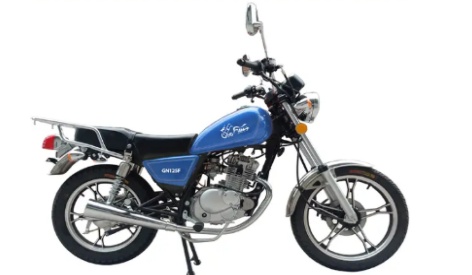
If you notice that your motorcycle struggles to accelerate or takes longer than usual to reach higher speeds, it’s an indication that something may be wrong with the engine or one of its components.
Possible Causes:
Clogged Air Filter: A clogged air filter can limit the amount of air entering the engine, reducing the engine’s ability to accelerate properly.
Fuel Delivery Problems: Clogged fuel injectors or a dirty carburetor can result in improper fuel mixture, leading to poor acceleration.
Dirty Spark Plugs: If the spark plugs are worn or dirty, they may not fire properly, causing poor combustion and sluggish acceleration.
Throttle Cable Issues: A loose or frayed throttle cable can prevent the engine from receiving the proper amount of air and fuel, leading to slow acceleration.
How to Fix It:
Clean or Replace the Air Filter: A clean air filter ensures that the engine receives an adequate amount of air. If the air filter is dirty, clean it or replace it with a new one.
Inspect the Fuel System: If your bike is carbureted, clean the carburetor and ensure the jets are clear. If the motorcycle has fuel injectors, clean them with an injector cleaner. Check the fuel filter and replace it if necessary.
Replace Spark Plugs: Remove and inspect the spark plugs. If they are worn, dirty, or fouled, replace them with new ones that match the specifications for your motorcycle.
Check the Throttle Cable: Ensure the throttle cable is properly adjusted and free of any blockages or frays. Lubricate the cable to ensure smooth operation.
Motorcycle engines are designed to operate at a certain temperature, and excessive heat can lead to engine damage or failure. If you notice that your motorcycle is overheating, it’s crucial to address the issue quickly to prevent further damage.
Possible Causes:
Low Coolant Levels: If the coolant level is too low, the engine won’t be able to cool properly, leading to overheating.
Clogged Radiator: A clogged radiator or dirty cooling fins can obstruct airflow, causing the engine to overheat.
Faulty Thermostat: A malfunctioning thermostat may fail to regulate the temperature properly, leading to overheating.
Oil Problems: Low or old engine oil can cause excessive friction and heat, leading to engine overheating.
How to Fix It:
Check Coolant Levels: Ensure that the coolant levels are at the proper level. If the coolant is low, top it up with the recommended type of coolant. Also, check for any leaks in the cooling system.
Clean the Radiator and Cooling Fins: Remove any dirt, debris, or bugs from the radiator and cooling fins. Use compressed air or a soft brush to clean the cooling system and ensure that air can flow freely.
Test the Thermostat: If the thermostat is not functioning correctly, it may need to be replaced. A malfunctioning thermostat can prevent the engine from reaching optimal operating temperature.
Check and Change Engine Oil: Regularly check the engine oil level and ensure it is within the recommended range. Change the oil according to the manufacturer’s guidelines to maintain proper lubrication and prevent overheating.
Excessive smoke or unusual exhaust output can indicate serious engine issues. Blue or white smoke coming from the exhaust is often a sign of an engine that’s burning oil or fuel improperly.
Possible Causes:
Burning Oil: If the engine is burning oil, it can produce blue smoke. This could be caused by worn piston rings, valve seals, or other internal engine parts.
Fuel Mixture Problems: A rich fuel mixture (too much fuel and not enough air) can cause the engine to burn fuel inefficiently, leading to black smoke from the exhaust.
Clogged Exhaust System: A clogged muffler or exhaust pipe can restrict airflow, causing excessive pressure in the engine and poor exhaust output.
How to Fix It:
Inspect for Oil Leaks or Burning: If the engine is burning oil, inspect the piston rings and valve seals for wear. If these components are damaged, they may need to be replaced.
Check the Carburetor or Fuel Injectors: For motorcycles with carburetors, clean the carburetor jets and adjust the air-fuel mixture to the correct ratio. For fuel-injected bikes, clean the injectors and ensure the fuel mixture is correct.
Check for Exhaust Blockages: Inspect the exhaust system for any blockages, such as carbon buildup or debris. Clean or replace the exhaust components if necessary.
Maintaining a gasoline motorcycle engine is crucial to ensuring its performance, reliability, and longevity. Regular maintenance and timely troubleshooting can help prevent common engine problems and save you from costly repairs. By keeping an eye on battery health, fuel delivery, engine lubrication, and exhaust performance, you can keep your motorcycle running smoothly.
At www.hofanmotor.com, we specialize in providing high-quality motorcycle engines and components that are designed for durability and long-term performance. Whether you're in need of parts for maintenance or upgrades for your bike, our products are built to meet the highest standards of quality. For more information or to explore our range of motorcycle parts and accessories, feel free to visit www.hofanmotor.com. Our team is ready to assist you in keeping your motorcycle at its best, ensuring that you can enjoy every ride without worry.


