
Views: 0 Author: Site Editor Publish Time: 2026-04-17 Origin: Site


Electric mobility is moving fast, and Electric Motorcycles are now part of everyday transport. But here is the question many buyers still ask: do you need a license for an electric motorcycle? The answer is often yes, though it depends on how the bike is classified.
Speed, motor power, and design all shape the legal rules. Some models are treated like motorcycles, while others fall into moped or e-bike categories. This can affect licensing, registration, and insurance before you even ride. In this article, we will explain how these rules work and what they mean for you. You will also learn how brands like Hongfan support riders by offering models that fit different road and licensing standards.
If your electric motorcycle performs like a traditional motorcycle, it will be treated like one under the law. That means you will need a valid motorcycle license in most regions.
These vehicles can reach higher speeds and are built for full road use. Because of this, governments apply the same rules used for gasoline-powered motorcycles. It does not matter that the power source is electric—what matters is performance and capability. For riders, this means preparing for written exams, practical riding tests, and sometimes mandatory training before getting on the road.
Licensing rules are not random. They rely on a few clear technical factors that help authorities decide how a vehicle should be classified. Instead of guessing, you can look at key specifications to quickly understand whether a license is required.
Key Factor | What It Means | Impact on Licensing |
Top Speed | The maximum speed the vehicle can reach | Higher speeds usually require a motorcycle license |
Motor Power | Measured in watts (W) or kilowatts (kW) | More power often leads to stricter licensing categories |
Presence of Pedals | Whether the vehicle includes functional pedals | Pedals often indicate an e-bike, which may not require a license |
Vehicle Classification | How local authorities legally define the vehicle | Determines exact licensing, registration, and insurance rules |
These factors do not work alone. They combine to define the final category. For example, a vehicle without pedals that exceeds 45 km/h will almost always be classified as a motorcycle or moped, which means a license is typically required.
Many people assume that electric vehicles have fewer rules. In reality, classification matters far more than energy type.
An electric motorcycle that reaches highway speeds must meet the same legal standards as any other motorcycle. This includes licensing, registration, and insurance.
Understanding classification helps you avoid confusion when buying or importing vehicles. It also ensures you meet all legal requirements before riding.
Here’s a practical guideline:
● If it has no pedals and can reach high speeds, it likely requires a motorcycle license.
● If it is slower and lighter, it may fall under moped rules.
● If it has pedals and limited power, it may qualify as an e-bike.
Note: Always confirm local regulations, as rules can vary significantly between countries and regions.
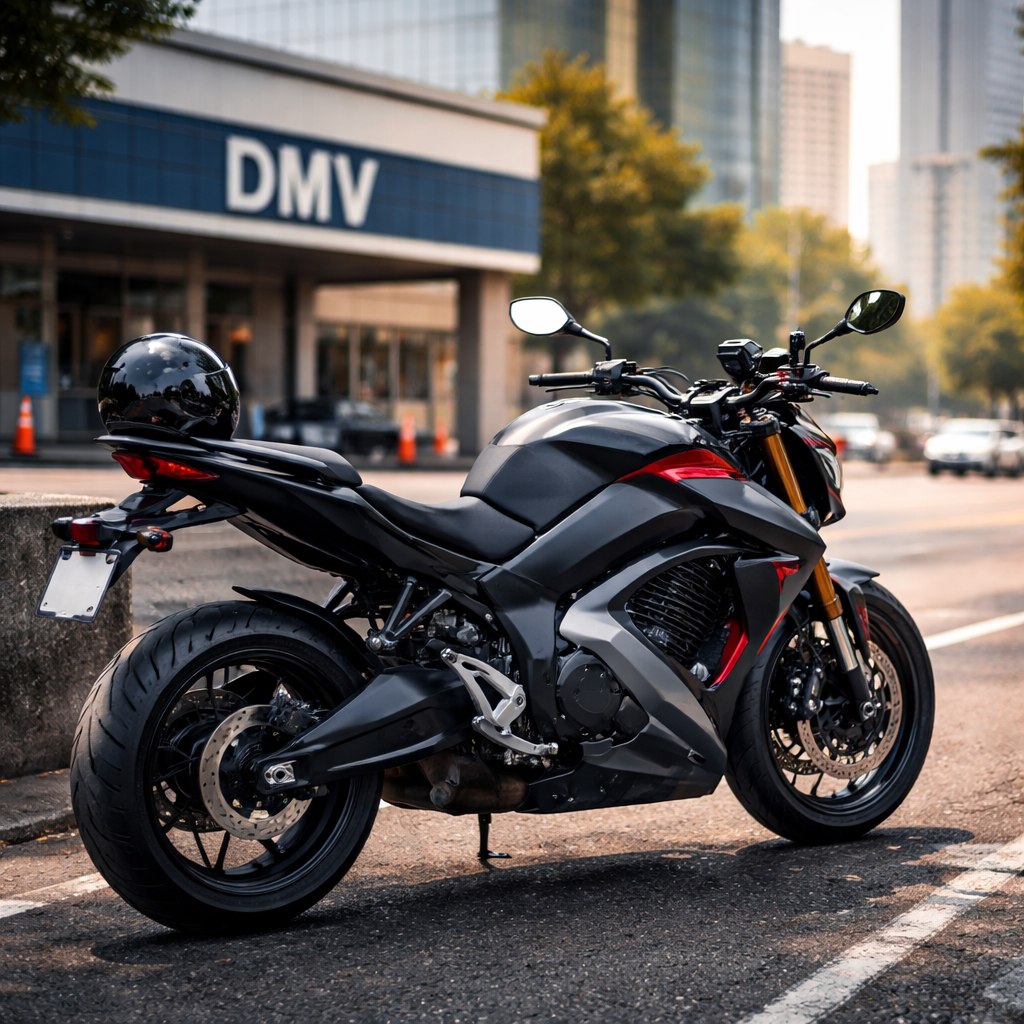
Understanding the difference between categories helps you avoid legal issues. It also makes product selection much easier.
Electric motorcycles deliver high performance and full road capability. They are built for commuting, touring, and even highway use. They usually include strong motors, higher speeds, and robust frames. Because of this, they require a motorcycle license, registration, and insurance. Riders should treat them exactly like traditional motorcycles in daily use.
Electric mopeds and scooters sit between motorcycles and e-bikes. They offer moderate speed and simple handling, which makes them ideal for urban environments. Licensing rules vary depending on location. Some regions accept a standard driver’s license, while others require a specific moped permit. These vehicles are often chosen for short-distance commuting.
E-bikes are designed for convenience and flexibility. They usually include pedals and limited motor power. This keeps them in a lower regulatory category. Most regions do not require a license for e-bikes, but they may still apply age or safety rules. This makes them a popular option for casual users or delivery services.
Vehicle Type | Speed Range | License Requirement | Typical Use Case |
Electric Motorcycles | High | Motorcycle license needed | Commuting, highways |
Electric Mopeds | Medium | Varies by region | City travel |
E-bikes | Low | Often not required | Short trips, leisure |
This comparison helps you quickly identify where your vehicle fits. It also makes it easier to choose the right option based on your licensing situation and daily needs.
Electric mopeds often require minimal licensing compared to full motorcycles. In some regions, a basic license or training certificate is enough.
Riders may need to:
● Meet a minimum age requirement
● Complete basic safety training
● Pass a simplified test
This makes mopeds a great entry point for new riders.
Light electric motorcycles are designed for beginners. They usually fall under entry-level licensing categories such as A1.
These bikes:
● Have limited power output
● Offer manageable performance
● Are easier to handle
They are ideal for riders transitioning from mopeds or scooters.
Mid-range electric motorcycles require intermediate licenses. These bikes provide more speed and power, making them suitable for longer commutes and more demanding riding conditions.
Riders must typically:
● Complete additional training
● Pass more advanced tests
● Meet higher age requirements
They offer a balance between performance and accessibility.
High-performance electric motorcycles require a full motorcycle license. These models deliver maximum speed and acceleration.
They are designed for experienced riders and offer:
● Full highway capability
● Advanced features
● Greater riding freedom
This category represents the top tier of Electric Motorcycles.
Beyond licensing, riders must meet several legal requirements before using Electric Motorcycles on public roads. These rules ensure safety, accountability, and compliance. Understanding them early helps avoid delays and unexpected costs.
Requirement | What It Involves | Why It Matters |
Registration & Plates | Registering the vehicle with local authorities and displaying a number plate | Confirms legal status and identifies ownership |
Insurance | Coverage such as liability, accident protection, and damage insurance | Protects rider and others; required in most areas |
Inspections | Regular checks including safety, brakes, and lighting systems | Ensures the vehicle remains roadworthy |
Compliance Standards | Meeting local legal and technical regulations | Allows legal operation on public roads |
These requirements work together to keep riders safe and compliant. Even if some regions offer tax benefits for electric vehicles, obligations like registration and insurance still apply in most cases.
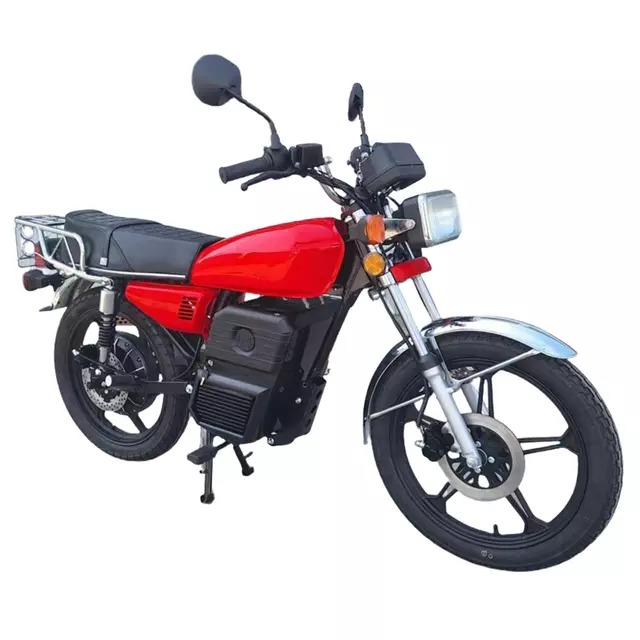
Start by reviewing the vehicle’s specifications carefully. These details often give you the clearest answer right away. Look at:
● Maximum speed
● Motor output (W or kW)
Higher values usually place the vehicle in a stricter category. In many regions, once speed or power crosses a certain threshold, a license becomes mandatory. Always compare these numbers with local regulations.
Pay attention to design elements such as:
● Pedals vs throttle-only systems
● Frame structure
● Intended usage
Vehicles built for road travel without pedals are often classified as motorcycles. Manufacturers usually provide clear product descriptions, which helps buyers quickly understand licensing requirements and avoid confusion.
Before riding, it is important to confirm everything through official channels. Check with local transport or licensing authorities to get accurate information. Rules may change over time, and local laws can differ from national guidelines. Taking a few minutes to verify details can prevent legal issues later and ensure smooth registration.
Ask these key questions:
● What category is this vehicle in?
● What license is required?
● Is it approved for public roads?
● What documents are included?
Tip: Always request official documentation from the supplier to confirm compliance before purchase.
Riders have different goals, and Electric Motorcycles can match each stage of experience. Whether you are just starting or already experienced, choosing the right type helps you stay compliant and enjoy a smoother ride.
Rider Type | Recommended Option | Key Features | Why It Fits |
Beginners | Mopeds or light motorcycles | Lower speed, simple controls, easier handling | Requires less complex licensing and suits city use |
Progressive Riders | Step-by-step compatible models | Moderate power, upgrade-friendly design | Helps build skills and move to higher categories |
Experienced Riders | High-performance Electric Motorcycles | Strong acceleration, long range, advanced systems | Works well for highways and long-distance travel |
For beginners, lower-speed models provide a smooth entry and reduce learning pressure. Riders planning progression can grow step by step without changing categories too quickly. Experienced riders can fully enjoy performance-focused models while meeting licensing requirements.
Choosing a reliable manufacturer is just as important as choosing the right category. Companies like Hongfan offer a wide range of electric motorcycles, mopeds, and e-bikes that meet international standards such as ISO, CE, and EEC. With established production systems and global experience, they design vehicles that align with different licensing categories. This helps buyers reduce uncertainty and streamline the registration process.
So, do you need a license for an electric motorcycle? In most cases, yes, especially when it performs like a standard motorcycle. The key factors are speed, power, and overall design. These elements decide how the vehicle is classified and what rules apply. It is not about electricity, but how the bike operates on the road.
Understanding these basics helps you avoid legal trouble and choose the right model. It also makes buying and riding much easier. Working with trusted manufacturers like Wuxi Hongfan Group. adds real value. Their electric motorcycles are built to meet global standards, offering reliable performance and compliance across markets. Before riding, always check local regulations to ensure a smooth and safe experience.
A: Not always, but most Electric Motorcycles do need a license. If they have higher speed, stronger power, and no pedals, they are usually treated like regular motorcycles under local law.
A: Check the top speed, motor output, pedal design, and product classification. Electric Motorcycles usually require a license when they are built for full road use rather than low-speed city riding.
A: Because Electric Motorcycles can perform like fuel-powered motorcycles. Laws focus on how they operate on the road, not on whether they use gas or electricity.
A: Yes. Electric Motorcycles are usually faster and more powerful. E-bikes often have pedals and lower speed limits, while mopeds sit in the middle and may follow lighter licensing rules.
A: They can. Besides the bike price, Electric Motorcycles may require license fees, registration, insurance, and inspections, depending on local rules.
A: It helps you avoid fines, delays, and the wrong purchase. You can choose a model that fits your riding needs and legal requirements from the start.


