
Views: 0 Author: Site Editor Publish Time: 2026-03-16 Origin: Site


Have you ever wondered if you need a license to drive an ATV? Many new riders ask this before their first off-road adventure. ATVs appear simple to operate, yet their legal rules often surprise beginners. Over the past decade, the ATV (All-Terrain Vehicle) has grown very popular. People use it for trail riding, farm work, hunting trips, and outdoor exploration. It moves easily through mud, sand, forests, and rocky terrain. Because of this flexibility, more riders want to know the legal requirements before using one.
So, do you actually need a license to drive an ATV? The answer depends on several factors. Riding location, rider age, and local laws all influence the rules. In this article, you will learn when a license is required, where ATVs can legally operate, and what permits or safety rules riders should follow.
The short answer is: usually no—but sometimes yes.
Unlike cars or motorcycles, ATVs are classified as off-highway vehicles (OHVs) in many regions. Because they are built primarily for off-road use, they often do not require a traditional driver’s license. However, there are still important rules depending on where and how the ATV is used.
One of the most common places people ride ATVs is private land. This includes farms, ranches, large properties, and privately owned trails.
In many states and countries, riders do not need a driver’s license to operate an ATV on private property. The key requirement is usually permission from the landowner.
For example, ATV riding on a family farm or ranch typically does not require:
● A driver’s license
● Public road registration
● Insurance for road use
However, safe riding practices still matter. Landowners often establish their own rules to ensure responsible operation.
Common private-land ATV uses include:
● Transport across farmland
● Checking livestock
● Trail riding for recreation
● Hauling equipment or supplies
Tip: If you plan to allow ATV riding on private property for customers or visitors, establish clear safety rules and riding zones.
Many governments maintain designated off-highway vehicle areas where ATVs can be ridden legally. These locations include:
● National forest trails
● Desert riding areas
● Off-road parks
● Mountain trail systems
In most of these areas, a standard driver’s license is not required. Instead, riders usually need one or more of the following:
● OHV registration sticker
● Trail permit
● ATV registration through the DMV
● Safety certification for younger riders
These programs help authorities manage trail systems and ensure safe riding conditions.
Many parks also limit ATV access to specific trails, which protects natural habitats and reduces conflicts with hikers or other outdoor users.
There are situations where a driver’s license may be required for ATV operation.
This typically happens when the ATV is used on public roads or in areas where traffic laws apply.
Examples include:
● Rural roads that allow limited ATV traffic
● Street-legal ATV conversions
● Crossing highways or public roads
● Municipal areas with special ATV access routes
To operate an ATV legally in these situations, riders may need:
Requirement | Purpose |
Driver’s license | Confirms legal driving eligibility |
Registration | Identifies the vehicle |
Insurance | Covers liability risks |
Safety equipment | Lights, mirrors, reflectors |
Because most ATVs are manufactured for off-road use, converting one into a street-legal vehicle can require several modifications.
Age rules play a large role in ATV regulation.
Many regions allow young riders to operate ATVs, but they may require additional safety measures.
Typical requirements for riders under 18 include:
● Completing an ATV safety training course
● Carrying a safety certificate
● Riding under adult supervision
● Using an ATV appropriate for their size
These programs help teach younger riders proper handling skills and responsible riding behavior.
Safety training often covers topics such as:
● Turning techniques
● Terrain awareness
● Protective gear use
● Safe speed control
Because ATV regulations vary by location, the most reliable way to confirm rules is to check official sources.
You can quickly verify ATV requirements through:
● State Department of Motor Vehicles (DMV)
● Local Off-Highway Vehicle (OHV) programs
● Government park websites
● Regional law enforcement agencies
These resources typically provide updated information about:
● Registration rules
● Riding locations
● Age restrictions
● Permit requirements
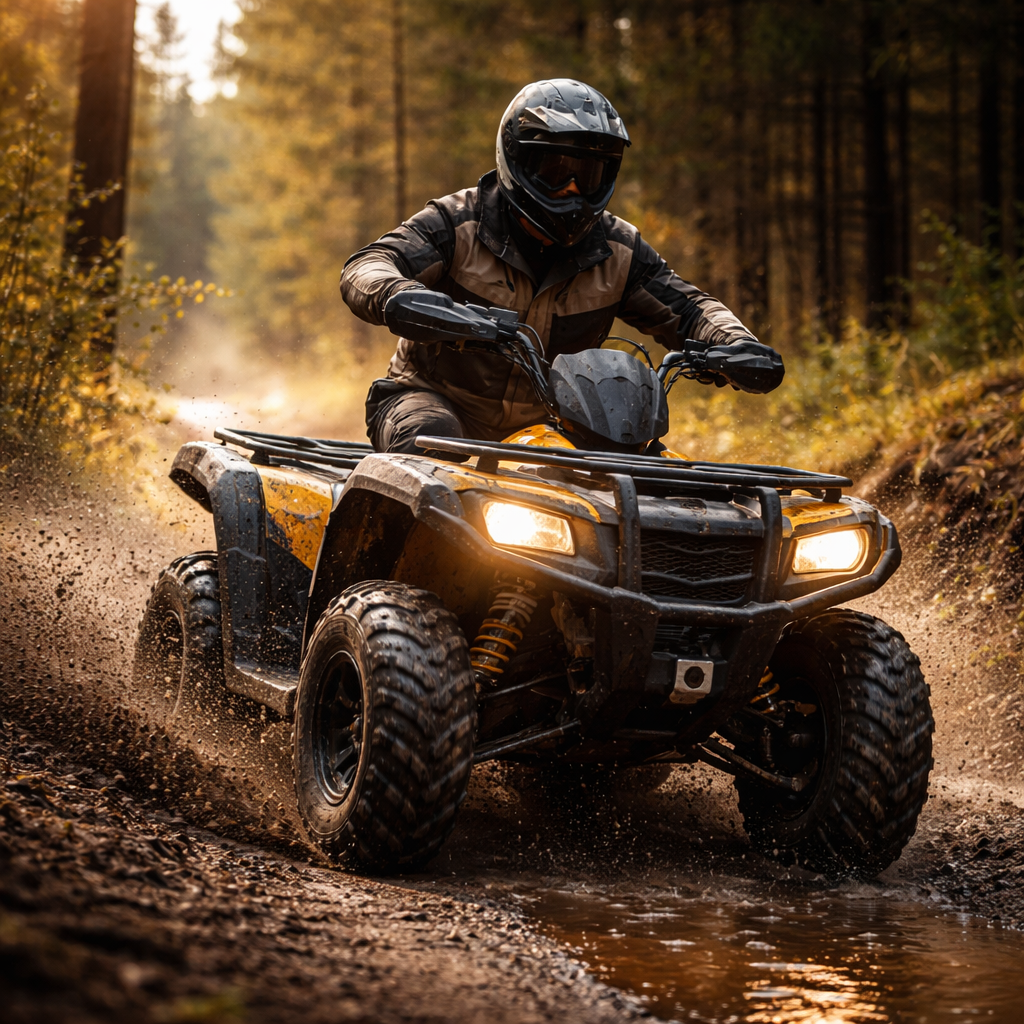
Private property remains the most common and flexible place to ride ATVs.
Landowners often allow ATV use for:
● Agriculture
● Property inspection
● Hunting access
● Recreation
Riding conditions vary widely depending on terrain and property size.
Public OHV parks provide safe environments designed for off-road vehicles. These areas include marked routes, trail maps, and maintenance programs that improve riding conditions.
Riders often enjoy these parks for recreation and adventure. Trails may include forest paths, rocky terrain, or desert dunes. Proper trail management protects natural landscapes while supporting outdoor tourism.
OHV Area Feature | Benefit |
Marked Trails | Improves navigation |
Maintenance Programs | Keeps trails rideable |
Safety Patrols | Helps manage emergencies |
Environmental Protection | Preserves wildlife habitats |
These parks encourage responsible ATV use while keeping riders within designated areas.
Most ATVs cannot legally operate on standard public roads.
However, some exceptions exist.
Examples include:
● Crossing roads at marked locations
● Limited access roads in rural areas
● Agricultural transportation between fields
In these cases, safety equipment and proper documentation may be required.
Note: Always confirm local regulations before riding an ATV near public roads.
Even when a driver’s license is not required, an ATV may still need registration or permits.
Many states register ATVs through special off-highway vehicle programs.
Registration helps authorities:
● Identify vehicles
● Manage trail systems
● Maintain riding areas
● Improve safety enforcement
Registration stickers are often placed directly on the ATV frame.
Trail permits often fund infrastructure improvements in off-road parks. Fees collected from permits help maintain trails, repair erosion damage, and support safety patrol teams.
These programs keep riding areas organized and sustainable for future riders. Without them, trail systems could deteriorate quickly.
Permit Type | Purpose |
OHV Sticker | Confirms legal off-road use |
Trail Permit | Allows access to riding parks |
Temporary Permit | Supports visiting riders |
Permit systems vary widely between locations, so riders should verify requirements before entering a new trail area.
When riding on public land, it is wise to carry several documents.
Common examples include:
● ATV registration card
● Trail permit
● Safety certificate (for minors)
● Identification
Keeping these documents available can help avoid delays during trail inspections.
Even in locations where licensing is minimal, safety remains extremely important.
ATV riders should always wear protective gear.
Basic equipment includes:
● Helmet
● Eye protection
● Gloves
● Long sleeves and pants
● Over-the-ankle boots
These items reduce injury risk when riding in rough terrain.
Many regions encourage or require ATV safety training.
Training programs teach riders:
● Terrain navigation
● Safe acceleration and braking
● Proper body positioning
● Emergency maneuvering
These skills help riders operate ATVs more confidently.
Vehicle design also plays an important role in rider safety.
High-quality ATVs typically include:
● Reinforced frames
● Durable suspension systems
● Strong engines designed for stability
● Reliable braking systems
Manufacturers such as HOFAN emphasize durability and off-road performance in their ATV designs, which helps riders maintain control across uneven terrain and demanding environments.
Different terrains require different types of ATVs.
Examples include:
Terrain | Recommended ATV Type |
Forest trails | Mid-size recreational ATV |
Farms and ranches | Utility ATV |
Sand dunes | Sport ATV |
Rocky terrain | High-clearance ATV |
Matching the vehicle to terrain improves handling and performance.
ATV size and power should match the rider’s experience.
Smaller models are often better for beginners and younger riders, while larger machines are suited for experienced operators.
When evaluating an ATV, consider:
● Frame durability
● Engine reliability
● Suspension quality
● Manufacturer reputation
Reliable engineering helps ensure the ATV performs well under demanding conditions.
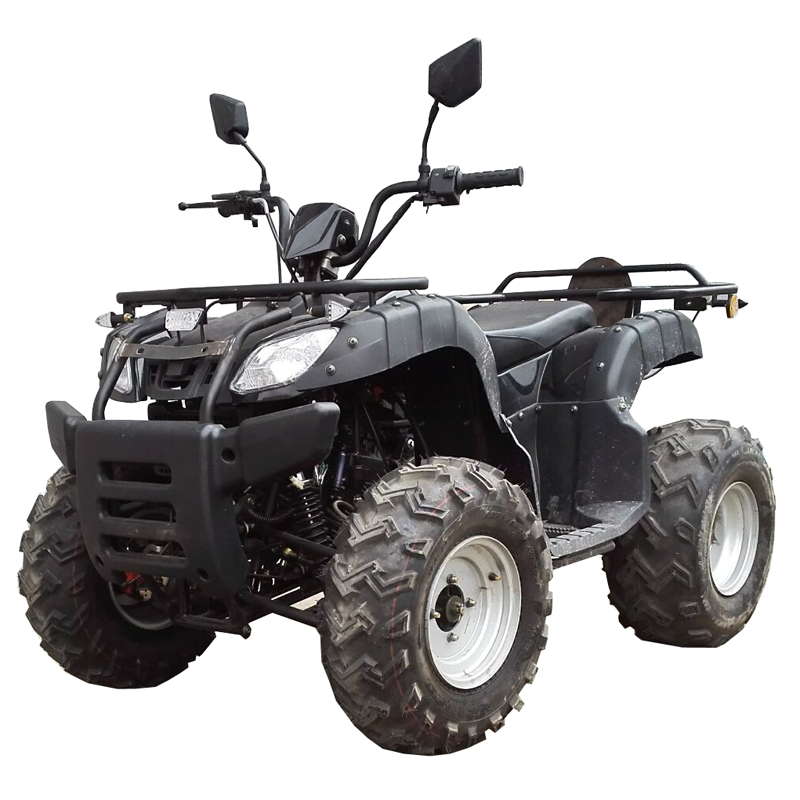
ATV laws vary significantly between states and countries. Regulations often depend on local land management policies and safety standards. Some locations allow widespread trail access, while others restrict ATV use to specific areas or designated routes only. Riders should always check local regulations before planning a trip.
The biggest misunderstanding involves road use. Many riders assume an ATV can be used like a motorcycle, but most ATVs are not designed for highway travel. Their tires, suspension, and safety features are built mainly for dirt trails and rough terrain.
Even when a driver’s license is not required, riders may still need:
● ATV registration
● Trail permits
● Safety certification
Ignoring these requirements can lead to fines, penalties, or restricted access to popular riding areas. In some regions, authorities may also limit future trail access for non-compliant riders.
So, do you need a license to drive an ATV? In most cases, the answer is no. Riders often use ATVs on private land or off-road trails, where standard driver’s licenses are not required. However, local rules may still require registration, OHV permits, or safety training. Younger riders may also need supervision or certification before operating an ATV.
Rules change when an ATV operates on public roads. In those situations, riders may need a valid driver’s license and proper documentation. Understanding these requirements helps riders stay safe and compliant while enjoying off-road travel.
Reliable vehicle quality also improves the riding experience. Wuxi Hongfan Group. produces durable ATVs built for strong performance on rough terrain. Their vehicles combine stable frames, dependable engines, and practical design. These features help riders explore trails, farms, and outdoor environments with confidence and efficiency.
A: In most regions, you do not need a driver’s license to operate an ATV on private land. The main requirement is permission from the landowner. Many people use ATVs on farms, ranches, or large properties for transportation and outdoor work.
A: Most areas do not allow an ATV to operate on regular public roads. Some places allow road crossings or limited rural routes. If an ATV is modified for street use, a driver’s license, registration, and safety equipment may be required.
A: Yes, many regions require young riders to complete an ATV safety course. These programs teach riding techniques, safe speed control, and trail awareness. Riders under a certain age may also need adult supervision.
A: Governments often require ATV registration to manage off-road vehicles on public land. Registration stickers or permits help authorities track vehicles and maintain safe trail systems.
A: The cost of registering an ATV varies by state or country. Many registration programs cost between $20 and $100 per year. Fees often support trail maintenance and safety programs.
A: Safe ATV riding usually includes protective gear such as helmets, gloves, goggles, and boots. Many riders also take safety training courses to improve control and riding awareness.


