
Views: 0 Author: Site Editor Publish Time: 2026-03-17 Origin: Site


Ever bought an ATV and wondered if you actually need a title for it? Many riders assume off-road vehicles follow the same rules everywhere. In reality, ATV ownership laws can vary widely depending on the state.
An ATV is widely used for trail riding, farm work, and off-road transportation. Because these machines move easily across rough terrain, they have become essential tools for recreation and daily tasks. But once you buy one, an important question appears: does an ATV need a title to be legal?
In some states, an ATV title works like a car title and proves who owns the vehicle. Other states rely mostly on registration or trail permits instead. In this article, we will explain ATV title requirements, how ownership documents work, and what steps you should take when buying, registering, or transferring an ATV.

The short answer is sometimes. Whether an ATV needs a title depends on state regulations and how the vehicle is used.
Some states treat ATVs similarly to traditional motor vehicles. Others classify them as off-highway vehicles (OHVs) and require only registration.
An ATV title acts as the official document proving ownership of the vehicle. It contains key details about the machine and its owner.
Important reasons why an ATV title matters include:
● Proof of ownership – It verifies who legally owns the ATV.
● Ownership transfer – It simplifies selling or transferring the vehicle.
● Registration process – Many states require a title before issuing registration decals.
● Legal protection – It helps confirm the ATV is not stolen.
Without a title, proving ownership may become difficult during resale or registration.
Several states require ATVs to have a title similar to other motor vehicles. Owners must apply through their state’s Department of Motor Vehicles (DMV).
Examples of states requiring ATV titles include:
State | Title Requirement |
Colorado | Required |
Iowa | Required |
Maryland | Required |
Missouri | Required |
North Carolina | Required |
Vermont | Required |
When purchasing a new ATV from a dealer, the seller usually provides the paperwork required to obtain a title. This often includes a Manufacturer’s Certificate of Origin (MCO).
Dealers selling models from established brands like HOFAN normally include this certificate so buyers can easily apply for a title through their state DMV.
Other states do not issue ATV titles. Instead, they require registration so riders can legally use public trails or off-road areas.
These states typically issue:
● Registration decals
● Identification plates
● OHV permits
For example, states such as California, Ohio, and Pennsylvania mainly rely on registration systems.
In these states, registration serves as proof that the ATV is authorized for use on designated trails or public land.
Certain ATVs may not require a title depending on their use.
Common exceptions include:
● Vehicles used strictly on private property
● ATVs used for agricultural purposes
● Older models produced before title laws were introduced
● Some small utility ATVs used on farms or ranches
Even when a title is not legally required, it is still recommended to keep documentation showing ownership.
ATV laws vary widely across the United States. Because of this, riders should always confirm local regulations.
The best sources for accurate information include:
● State DMV websites
● Local off-highway vehicle departments
● State parks or recreation agencies
Checking your state rules ensures you meet all legal requirements before riding on public trails.
Note: Laws can change frequently, so it is wise to confirm ATV title and registration requirements with your local DMV before purchasing a vehicle.
Many people confuse ATV titles and ATV registrations. While both relate to ownership and legal operation, they serve different purposes.
An ATV title is a legal document issued by a state government.
It confirms:
● Who owns the ATV
● Vehicle identification details
● The presence of any liens from financing
This document functions similarly to a car title.
Owners usually store the title safely at home rather than carrying it while riding.
Registration allows an ATV to be legally used on public land or designated off-road trails.
Registration normally provides:
● A registration sticker
● A decal plate
● A permit number
These items must be displayed on the ATV so authorities can verify compliance.
Many states require both documents.
Typical process:
1. Obtain a title for the ATV.
2. Use the title to complete registration.
3. Receive decals or permits.
Manufacturers often assist this process by providing official documentation when the vehicle is sold. For example, new HOFAN ATVs, built under ISO-certified manufacturing processes, usually include the paperwork necessary for registration and ownership verification.
To apply for a title, owners typically need the following documents:
● Proof of ownership (bill of sale or previous title)
● Manufacturer’s Certificate of Origin (MCO) for new ATVs
● Vehicle Identification Number verification
● Completed title application form
● Payment for title fees
These documents confirm that the vehicle was purchased legally.
The title application process usually follows a simple sequence. Although minor differences exist between states, most applications involve similar steps.
Step | Description |
Application | Complete DMV title application |
Ownership proof | Submit bill of sale or manufacturer certificate |
VIN verification | Confirm vehicle identification |
Fee payment | Pay title processing fees |
Approval | DMV issues the official title |
Once approved, the state sends the title by mail or provides a digital record depending on local systems.
A typical title transfer includes the following steps:
1. The seller signs the title over to the buyer.
2. Both parties complete a bill of sale.
3. The buyer submits the signed title to the DMV.
4. The DMV issues a new title in the buyer’s name.
This process officially transfers legal ownership.
Before buying a used ATV, buyers should verify several details.
Important checks include:
● Confirm the VIN matches the title
● Verify the seller is the legal owner
● Ensure no outstanding loans or liens exist
● Request a written bill of sale
These steps protect buyers from purchasing stolen or illegally sold vehicles.
For the safest purchase or sale, keep the following documents:
● Signed ATV title
● Bill of sale
● Ownership transfer forms
● Registration paperwork
Having these documents ensures the transaction can be completed without delays.
If a title is missing, states may accept alternative documents such as:
● Bill of sale
● Previous registration paperwork
● Manufacturer’s certificate of origin
● Sales receipts or service records
These documents help establish a chain of ownership.
VIN verification often becomes necessary when registering an ATV without a title. Officials inspect the vehicle identification number and compare it to government databases.
Typical VIN verification process:
Inspection Step | Purpose |
Physical VIN check | Confirms vehicle identity |
Database search | Checks stolen vehicle records |
Ownership review | Confirms purchase documentation |
This inspection ensures the ATV has legitimate ownership before registration approval.
Tip: Always check the VIN before buying a used ATV. A simple verification can prevent serious ownership problems later.
An ATV title contains important information about the vehicle and its owner.
The VIN is a unique code assigned to every ATV during manufacturing. It works like a fingerprint for the vehicle and helps authorities identify it accurately throughout its lifetime. Law enforcement agencies, registration offices, and manufacturers rely on this number for tracking purposes.
The VIN allows authorities to:
● Track ownership history across registrations and transfers
● Identify stolen vehicles through national databases
● Verify manufacturer details and production information
Because the VIN connects the ATV to its official records, it plays a key role in proving the vehicle’s identity.
An ATV title also includes the vehicle’s make, model, and production year. These basic specifications help confirm that the ATV being sold or registered matches the information recorded on the title document. Buyers and authorities can compare these details with the vehicle itself to ensure the records are accurate.
Titles also list ownership and financing information. If the ATV was purchased through financing, the lender may appear on the title as a lienholder.
Typical ownership details include:
Field | Information Included |
Owner name | Legal owner of the ATV |
Address | Owner residence |
Lienholder | Bank or lender if financed |
Once the loan is paid, the lienholder releases ownership rights and the title becomes fully owned by the buyer.
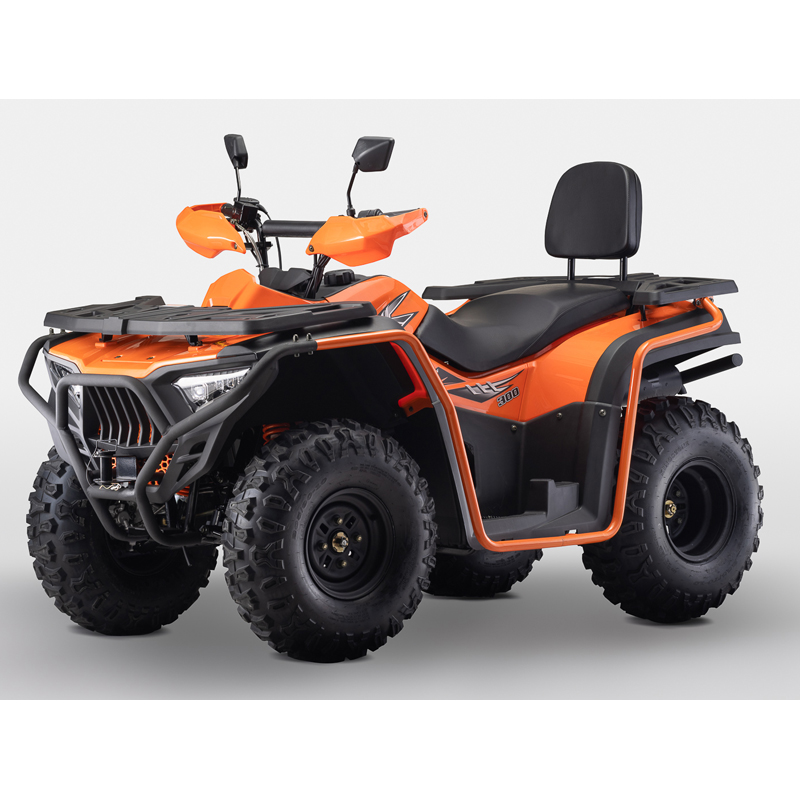
So, does an ATV need a title? The answer depends on the state where the vehicle is registered. Some states require an ATV title similar to a car title, while others mainly rely on registration systems for off-road vehicles. Even when it is not mandatory, having a title can make ownership clearer and simplify registration, resale, and transfers between buyers and sellers.
Before purchasing an ATV, riders should always check local DMV regulations and confirm which documents are required. Doing so helps prevent delays and avoids future ownership problems. Reliable manufacturers also help simplify this process. Wuxi Hongfan Group. produces durable sport and utility ATVs designed for strong performance and long service life. Their products are supported by professional manufacturing standards and ownership documentation that helps customers complete registration smoothly, allowing riders to enjoy dependable off-road capability and practical value in real-world use.
A: No. An ATV does not require a title in every state. Some states issue official titles similar to cars, while others rely mainly on registration permits for off-highway vehicles. Always check your local DMV regulations before purchasing or registering an ATV.
A: An ATV title serves as legal proof of ownership. It confirms who owns the vehicle and helps prevent disputes during resale or ownership transfers. A title also makes the registration process easier in states that require it.
A: To get a title for an ATV, owners usually submit proof of ownership, a bill of sale, and a manufacturer’s certificate of origin to the DMV. After verification and payment of fees, the state issues the title showing the legal owner.
A: In some states, it is possible to register an ATV without a title. Authorities may accept documents such as a bill of sale, previous registration papers, or a manufacturer’s certificate of origin to confirm ownership.
A: If an ATV has no title, documents like a bill of sale, manufacturer’s certificate of origin, and previous registration records can help prove ownership. These records show the vehicle’s purchase history and help authorities verify legal possession.
A: An ATV title typically lists the vehicle identification number, the make and model, production year, owner details, and any lienholder information if the vehicle was financed.


