
Views: 0 Author: Site Editor Publish Time: 2025-09-29 Origin: Site


Running a small business often means balancing tight budgets, maximizing efficiency, and finding innovative ways to reduce costs without sacrificing quality. Transportation, whether it involves delivering goods, picking up supplies, or offering services to customers, is one of the most significant expenses for small businesses. Traditionally, many owners have relied on cars, vans, or motorcycles for these tasks. However, as cities become more congested and fuel prices continue to rise, these traditional vehicles are no longer the most practical or cost-effective choice.
Electric tricycles, or e-trikes, are emerging as an attractive alternative. With their low operating costs, eco-friendly design, and adaptability, they offer small businesses the opportunity to save money and improve operational efficiency. More than just a transport option, they are becoming a smart investment that can positively impact both the financial health of businesses and their reputation among environmentally conscious consumers.
In this article, we will explore the economic benefits of electric tricycles for small businesses, examining how they reduce costs, increase efficiency, and open new opportunities for growth.
One of the most immediate and significant economic advantages of electric tricycles is their low operating cost compared to cars or motorcycles. Traditional fuel-powered vehicles require constant spending on gasoline or diesel, which has become increasingly expensive. Electric tricycles, on the other hand, run on rechargeable batteries. Charging an e-trike typically costs only a fraction of what it would take to fill up a gas tank.
Maintenance costs are also much lower. Electric motors have fewer moving parts than internal combustion engines, which reduces the chances of mechanical breakdowns. There is no need for oil changes, spark plug replacements, or complex engine repairs. Tires, brakes, and batteries are the primary components that require regular attention, and these are much cheaper to maintain than the parts of a traditional car.
For small businesses operating on thin profit margins, these savings can be redirected toward other areas, such as marketing, product development, or hiring staff.
Small businesses often operate in urban centers, where traffic congestion is a daily struggle. Cars and vans can spend hours stuck in traffic, wasting time and fuel. Electric tricycles are more compact and maneuverable, allowing them to navigate crowded streets and reach destinations faster.
This increased efficiency directly translates into financial benefits. Deliveries can be completed more quickly, allowing businesses to serve more customers in a day. Service providers can reach clients on time without being delayed by traffic. In industries where timeliness is crucial, such as food delivery or courier services, electric tricycles provide a competitive advantage.
Moreover, their smaller size makes parking easier and often cheaper. Many urban areas are implementing strict parking regulations and high fees for cars, while electric tricycles can often park in smaller, less expensive spaces. This not only saves money but also reduces the stress of finding suitable parking in crowded city centers.
Compared to cars or vans, electric tricycles generally require a lower upfront investment. While high-end models may cost more, basic versions are affordable for most small businesses. For entrepreneurs just starting out, this affordability lowers the barrier to entry and allows them to begin operations without the heavy debt that comes with purchasing larger vehicles.
Additionally, many governments around the world are offering financial incentives for adopting electric vehicles. These incentives may include tax breaks, rebates, or grants that further reduce the cost of purchasing electric tricycles. Small businesses can take advantage of these programs to acquire reliable transportation at a reduced price.
Electric tricycles are highly adaptable, making them useful across a wide range of industries. They come in different designs, including passenger tricycles, cargo tricycles, and enclosed cabin models. This flexibility means that businesses can select a model that fits their specific needs.
For example, a food delivery business can use insulated cargo tricycles to keep meals warm during transport. A florist can use them to deliver delicate flower arrangements without worrying about space limitations. Street vendors can even use electric tricycles as mobile shops, bringing their goods directly to customers in high-traffic areas.
This adaptability reduces the need to invest in multiple types of vehicles. Instead, one or two electric tricycles can serve multiple purposes, providing better value for money and ensuring maximum use of each asset.
Modern consumers are increasingly concerned about sustainability. Many actively choose to support businesses that demonstrate environmentally friendly practices. By adopting electric tricycles, small businesses not only save money but also show their commitment to reducing carbon emissions.
This eco-friendly image can serve as a powerful marketing tool. Customers are more likely to trust and support businesses that align with their values, and environmental responsibility is a value that resonates with a growing number of people. A restaurant that delivers meals using electric tricycles, for example, can promote itself as both convenient and environmentally conscious, gaining a competitive edge over rivals still using gas-powered vehicles.
This positive brand image can increase customer loyalty, attract new clients, and even open opportunities for partnerships with organizations or events that prioritize sustainability.
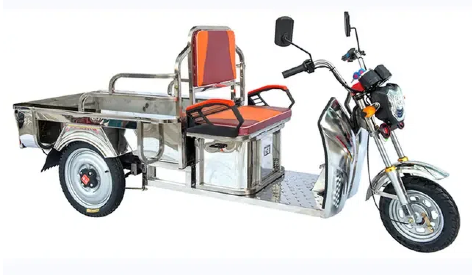
Because of their affordability and efficiency, electric tricycles allow small businesses to expand their delivery or service areas without significantly increasing costs. For example, a bakery that once only served a small neighborhood may now be able to deliver to an entire district.
The ability to reach more customers means increased sales and revenue, which can offset the cost of purchasing the tricycles within a short period. Over time, the additional income generated by expanded service areas can lead to business growth, allowing small enterprises to compete more effectively with larger companies.
While electric tricycles require an initial investment, they are built for durability, particularly those designed for commercial use. Many models are capable of carrying heavy loads, with reinforced frames and strong suspension systems. This makes them suitable for frequent use, even on uneven or challenging roads.
Batteries, though they require replacement after several years, are improving in lifespan and efficiency thanks to advances in technology. The cost of replacement batteries is generally much lower than the long-term fuel and maintenance costs associated with traditional vehicles. As a result, the total cost of ownership for electric tricycles remains lower over their lifespan.
This durability ensures that businesses get the most value from their investment, turning electric tricycles into an asset rather than a financial burden.
Another often-overlooked benefit of electric tricycles is their role in supporting local economies. Many small businesses that adopt them are able to reinvest the money they save into their operations, whether by hiring more staff, improving their services, or purchasing local supplies.
In some regions, electric tricycles are manufactured locally, providing jobs and boosting local industries. By purchasing these vehicles, small businesses contribute to the growth of sustainable industries in their own communities.
Despite the many economic benefits, small businesses must also be aware of the challenges that come with using electric tricycles. Charging infrastructure may be limited in certain areas, which can restrict travel range. Businesses must plan routes and charging schedules carefully to avoid disruptions.
Weather can also be a challenge, as open tricycles may not provide adequate protection against rain or extreme temperatures. However, manufacturers are addressing these issues by developing enclosed models and weather-resistant designs.
Finally, while the initial investment is lower than cars, it may still be a challenge for businesses with very limited capital. In such cases, financing options, government subsidies, or second-hand purchases can help reduce the burden.
Electric tricycles are more than just a sustainable transport option—they are a practical economic solution for small businesses. By lowering operating costs, increasing efficiency, and offering flexibility for different business needs, they provide clear financial advantages. At the same time, they enhance brand image, expand service areas, and contribute to long-term savings.
For small businesses that are constantly seeking ways to stay competitive in challenging markets, electric tricycles represent an opportunity to innovate and grow without breaking the bank. As technology advances and infrastructure improves, their role in supporting small enterprises will only continue to expand.
By embracing electric tricycles, small businesses are not only securing economic benefits for themselves but also contributing to a cleaner, greener, and more sustainable future.


