
Views: 0 Author: Site Editor Publish Time: 2025-09-22 Origin: Site


Urban commuting has always been a challenge, especially in rapidly growing cities. Traffic congestion, air pollution, rising fuel prices, and the demand for sustainable solutions have forced both policymakers and individuals to rethink the way they move. Among the many alternatives to traditional cars and motorcycles, electric tricycles are increasingly being recognized as a practical, eco-friendly, and efficient option for urban transportation. With their three-wheel design, they offer stability and comfort, while their electric-powered engines help reduce carbon emissions. This unique combination makes electric tricycles a promising alternative for modern cities looking to balance mobility needs with sustainability goals.
In this article, we will explore the concept of electric tricycles, their benefits, how they compare to other vehicles, and why they may become an essential part of the future of urban commuting.
Electric tricycles, often referred to as e-trikes, are three-wheeled vehicles powered by rechargeable batteries and electric motors. Unlike traditional motorcycles or bicycles, they provide more stability due to their extra wheel, making them particularly suitable for city travel where frequent stops, turns, and uneven roads are common.
There are different designs of electric tricycles. Some resemble bicycles with two wheels at the back and one in the front, while others are more robust, designed like mini-cars with enclosed cabins. They can be intended for personal use, cargo transport, or even passenger services. This versatility is one of the reasons they are becoming popular in both developed and developing countries.
One of the most significant advantages of electric tricycles is their contribution to environmental sustainability. Urban areas are major sources of air pollution due to heavy dependence on fossil fuel-based vehicles. Electric tricycles address this problem in several ways.
First, they operate without tailpipe emissions. Unlike gasoline or diesel-powered vehicles, they produce no direct air pollutants, which means cleaner air for city residents. Secondly, they reduce noise pollution, which is an often-overlooked problem in dense urban centers. Their quiet motors allow smoother rides without adding to the constant hum of traffic noise.
Another key benefit is their energy efficiency. Electric motors convert energy into motion far more efficiently than internal combustion engines. This efficiency means that less overall energy is used for the same amount of travel, reducing demand on power grids and fossil fuel resources. If powered by renewable energy sources such as solar or wind, the environmental impact of e-trikes becomes even lower.
In addition to environmental benefits, electric tricycles provide significant economic advantages. With rising fuel prices, operating a car or even a motorcycle can be costly. Electric tricycles eliminate the need for gasoline and instead rely on relatively inexpensive electricity. Charging costs are usually a fraction of the cost of refueling with petrol or diesel.
Maintenance costs are also lower. Electric motors have fewer moving parts compared to combustion engines, which means fewer breakdowns and less frequent repairs. This makes electric tricycles a cost-effective option for both individual commuters and small businesses. For delivery services, for example, electric tricycles can be a game-changer, offering an affordable way to transport goods across the city without worrying about fuel costs or vehicle wear and tear.
Additionally, many governments around the world are offering incentives such as tax reductions, subsidies, or grants for the purchase of electric vehicles, including tricycles. These incentives further reduce the financial burden of adopting this sustainable mode of transport.
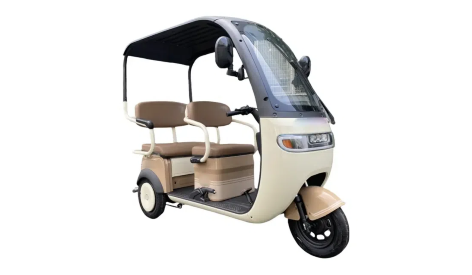
Electric tricycles also stand out for their ability to enhance accessibility. Their three-wheel structure provides extra stability, which is particularly useful for elderly people, individuals with mobility challenges, or those who may feel unsafe balancing on two-wheeled bicycles or scooters.
Moreover, the design of some electric tricycles allows for easier mounting and dismounting compared to bicycles or motorcycles. This inclusivity makes them a great option for a wider range of users, ensuring that sustainable transport solutions are accessible to all.
In some cities, electric tricycles are also being used as shared mobility services, similar to bike-sharing or scooter-sharing programs. This makes them even more accessible for individuals who cannot afford to own one but still want to benefit from their convenience and eco-friendly features.
Another area where electric tricycles excel is in addressing the problem of urban traffic congestion. With growing populations and more cars on the roads, city streets are often clogged, leading to longer travel times and increased stress for commuters.
Electric tricycles, being smaller in size than cars, take up less road space and can navigate through traffic more easily. This not only reduces congestion but also allows for more efficient use of limited urban road networks. Additionally, they require smaller parking spaces, which helps solve the issue of parking shortages in crowded cities.
By integrating electric tricycles into public transportation systems or delivery networks, cities can significantly reduce the number of large vehicles on the road. This creates a smoother traffic flow and improves the overall commuting experience.
When comparing electric tricycles with traditional bicycles, motorcycles, and cars, several factors stand out.
Compared to bicycles, electric tricycles offer more stability and require less physical effort, making them ideal for longer commutes or hilly terrain. Unlike motorcycles, they are quieter, cheaper to operate, and safer for certain users. When compared to cars, their affordability, efficiency, and smaller size make them better suited for short urban trips, although they may not replace cars entirely for long-distance travel or heavy-duty tasks.
Ultimately, electric tricycles fill a unique gap in the transportation spectrum. They combine the efficiency of bicycles, the convenience of scooters, and some of the capacity of cars, creating a well-balanced solution for everyday commuting.
Recent years have seen significant innovations in electric tricycle design. Advances in battery technology, such as lithium-ion batteries, have extended their range and reduced charging times. Smart features like GPS navigation, digital dashboards, and even app-based ride management are being integrated into modern e-trikes.
In addition, modular designs are being developed to allow customization for different uses—whether it’s carrying passengers, transporting goods, or personal commuting. Some manufacturers are also focusing on weather protection, offering partially or fully enclosed tricycles to ensure comfort during rain or extreme heat.
Looking to the future, electric tricycles are likely to play an important role in smart city initiatives. With urban planners focusing on reducing carbon footprints and improving public health, e-trikes can become a central component of integrated, sustainable mobility systems.
Despite their many advantages, electric tricycles do face challenges. Battery charging infrastructure remains limited in many cities, which can discourage wider adoption. The upfront cost of purchase, although offset by long-term savings, may still be too high for some consumers.
There is also a need for better regulations and traffic integration to ensure that electric tricycles can coexist safely with other vehicles on the road. Public awareness and education campaigns may be required to encourage more people to consider e-trikes as a viable commuting option.
Electric tricycles represent a sustainable and practical alternative for urban commuting. They offer a unique combination of environmental, economic, and social benefits, making them suitable for a wide range of users. By reducing emissions, lowering costs, enhancing accessibility, and helping to ease traffic congestion, electric tricycles are well positioned to address many of the challenges faced by modern cities.
As technology continues to improve and cities push toward greener and more efficient transportation systems, the role of electric tricycles will only grow. They are not just a passing trend but a long-term solution for sustainable mobility. For urban dwellers seeking an eco-friendly and affordable commuting option, electric tricycles provide a glimpse into the future of urban transport—a future where convenience, efficiency, and sustainability go hand in hand.


