
Views: 0 Author: Site Editor Publish Time: 2026-02-03 Origin: Site


Electric motorcycles are quickly becoming a popular choice for riders looking to embrace eco-friendly transportation without compromising on performance. Whether you're a commuter looking for an efficient ride, a recreational rider craving excitement, or someone transitioning from a gas-powered bike, one of the key factors you'll want to consider is the performance of your electric motorcycle, particularly its speed and range.
In this article, we will explore the performance characteristics of electric motorcycles, focusing on speed and range, two of the most crucial factors for potential riders. Understanding these elements will help you make an informed decision about which electric motorcycle suits your needs and riding style. We’ll also discuss how these features compare to traditional motorcycles and why they make electric motorcycles a viable option for everyday use.
Before diving into the specifics of speed and range, it’s essential to understand the factors that influence these characteristics in electric motorcycles. Unlike gas-powered motorcycles, which rely on an internal combustion engine, electric motorcycles use electric motors powered by batteries, so their performance is directly linked to several key components:
Battery capacity is measured in kilowatt-hours (kWh), which indicates how much energy the battery can store. A larger battery typically provides more range and, in some cases, a higher top speed.
Larger Batteries: Electric motorcycles with higher battery capacities (e.g., 10 kWh and above) tend to have longer ranges, often exceeding 100 miles on a full charge. These bikes are also better suited for high-performance applications.
Smaller Batteries: Lower capacity batteries (e.g., 3-5 kWh) typically offer shorter ranges but are ideal for urban commuting or lighter use.
Battery capacity not only influences the range but can also play a role in the power output of the motorcycle, affecting acceleration and top speed.
The motor's power output, measured in kilowatts (kW), determines the bike’s performance characteristics, including speed, acceleration, and overall driving experience.
Higher Motor Power: Electric motorcycles with higher motor power (e.g., 10-15 kW or more) are capable of higher top speeds and quicker acceleration. These bikes are better suited for highway riding or high-speed applications.
Lower Motor Power: Bikes with less motor power (e.g., 3-5 kW) may have lower top speeds and acceleration but are typically adequate for city commuting and short-distance travel.
Motor power directly impacts how fast an electric motorcycle can go and how quickly it can accelerate, making it a key factor for performance enthusiasts.
Just like traditional motorcycles, the weight and aerodynamics of an electric motorcycle affect its performance. Heavier bikes may take more time to accelerate and could have lower top speeds due to the additional weight.
Lightweight Designs: Lighter motorcycles typically offer better performance, as the motor can handle the reduced weight more efficiently, translating to better acceleration and longer range.
Aerodynamics: The shape of the bike and its ability to cut through the air also play a role in speed and energy efficiency. Bikes with streamlined designs can achieve higher top speeds while using less energy.
The rider’s behavior, as well as the conditions in which the motorcycle is ridden, also impact speed and range. For example:
Aggressive Riding: Rapid acceleration and high-speed riding will reduce the range of an electric motorcycle significantly. By maintaining steady speeds and using regenerative braking, you can extend the range.
Terrain and Weather: Riding uphill, in headwinds, or in cold weather will affect the performance of the motorcycle. Electric motorcycles perform best under moderate conditions, and external factors like temperature and road type can affect both speed and range.
When comparing the speed of electric motorcycles to traditional gas-powered bikes, the first thing to note is that electric motorcycles offer instant torque, which means they accelerate quickly from a standstill. This is a significant advantage over gas bikes, which need to build up RPMs to reach their full power.
Electric motorcycles can have a wide range of top speeds, depending on the model and intended use. Here’s a breakdown of typical electric motorcycle speeds:
City Commuter Models: These electric motorcycles are designed for urban commuting and typically have a top speed of 30-50 mph. They are perfect for short-distance travel and are ideal for those who need a reliable daily commuter bike.
Sport and Highway Models: High-performance electric motorcycles designed for sport or highway riding can reach top speeds of 70-120 mph. These bikes are equipped with more powerful motors and larger batteries to handle high-speed cruising, making them suitable for long-distance travel and highway use.
Superbikes: Some high-end electric motorcycles, like those designed for racing or performance enthusiasts, can exceed 150 mph. These are extremely powerful bikes capable of exceptional acceleration and high-speed performance.
Overall, the speed of electric motorcycles varies, but with advancements in technology, electric motorcycles are starting to match or even exceed the speed capabilities of traditional motorcycles.
One of the key benefits of electric motorcycles is their instant torque, which allows for rapid acceleration. This feature makes electric motorcycles ideal for navigating city traffic or making quick passes on highways. Riders can enjoy a smooth, fast ride without needing to worry about gear changes or engine lag.
Instant Torque: Unlike gas-powered motorcycles, which require the engine to rev up before reaching maximum torque, electric motorcycles deliver immediate acceleration as soon as the throttle is engaged.
Smooth Ride: The absence of gears also means that riders experience a smoother, more consistent acceleration, enhancing both comfort and performance.
Electric motorcycles offer a more enjoyable and responsive riding experience, especially in terms of acceleration.
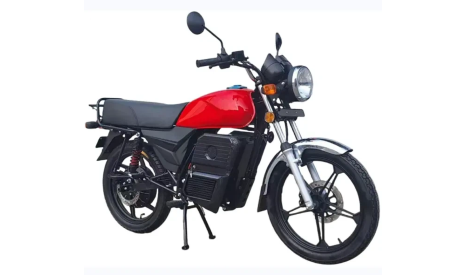
Range is one of the most important factors to consider when choosing an electric motorcycle. It determines how far you can travel on a single charge before needing to plug in for a recharge. Range varies depending on the battery capacity, motor power, and external conditions.
City Commuter Models: These motorcycles are designed for short distances, and their range typically falls between 40-80 miles per charge. They are perfect for urban environments where short daily trips are the norm.
Touring and Highway Models: High-performance models designed for long-distance travel often feature a range of 100-150 miles per charge, allowing riders to travel greater distances on highways and open roads.
Long-Range Superbikes: Some high-end electric motorcycles, such as the ones made for racing or extended touring, can offer a range of 150+ miles per charge, making them suitable for long rides or cross-country trips.
The range of your electric motorcycle will depend on how you use it. For most urban riders, a motorcycle with a range of 50-100 miles should be sufficient for daily commuting.
Riding Style: Aggressive acceleration and high-speed riding can reduce the range significantly. By riding conservatively, using regenerative braking, and maintaining moderate speeds, you can extend the range of your bike.
Terrain: Riding uphill or on rough terrain will use more energy, reducing the range. Flat roads and highways tend to be more efficient for electric motorcycles.
Temperature: Extreme temperatures (especially cold weather) can affect battery performance, reducing the overall range.
To maximize your electric motorcycle's range, it's important to ride efficiently and consider the terrain and weather conditions.
Electric motorcycles are rapidly evolving, and their performance is continually improving. Whether you’re looking for a city commuter or a high-performance motorcycle for long-distance rides, electric motorcycles offer excellent speed, range, and acceleration. With advancements in battery technology, today’s electric motorcycles can compete with or even exceed the capabilities of their gasoline counterparts. By offering instant torque, a smoother ride, and zero emissions, electric motorcycles are a smart choice for the eco-conscious rider looking for an efficient and exciting way to get around.
If you're ready to explore the world of electric motorcycles, Wuxi Hongfan Group offers a range of high-quality, reliable electric motorcycles that cater to every type of rider. Whether you're commuting through the city or cruising on the open road, Wuxi Hongfan Group provides motorcycles that offer exceptional performance, long range, and advanced features.
Q: How fast can electric motorcycles go?
A: Electric motorcycles can range in speed from 30 mph for commuter models to over 150 mph for high-performance racing models.
Q: How far can an electric motorcycle travel on a single charge?
A: The range typically falls between 40-150 miles, depending on the model, battery capacity, and riding conditions.
Q: Can I use an electric motorcycle for long-distance touring?
A: Yes, many high-performance electric motorcycles offer ranges of 100-150 miles per charge, making them suitable for long-distance touring.
Q: How long does it take to charge an electric motorcycle?
A: Charging time varies by model and charger type, but most electric motorcycles take around 4-8 hours to charge using a standard outlet. Fast chargers can reduce this time significantly.


