
Views: 0 Author: Site Editor Publish Time: 2026-02-18 Origin: Site


As global demand for last-mile delivery, light cargo transport, and affordable mobility continues to rise, tricycles have quietly become one of the most practical vehicle categories in many markets. From busy urban streets to rural roads, Gasoline Tricycles and Electric Tricycles now serve as workhorses for logistics, small businesses, and personal transportation.
With rapid advances in battery technology, stricter environmental regulations, and changing customer expectations, buyers are increasingly asking one key question: Gasoline tricycles vs electric tricycles — which is better?
This article takes a deep, balanced look at both options. We’ll analyze performance, cost, sustainability, use cases, and future trends, while keeping Gasoline Tricycles as the core keyword throughout. The goal is to help buyers, distributors, and fleet operators make a smarter, long-term decision.
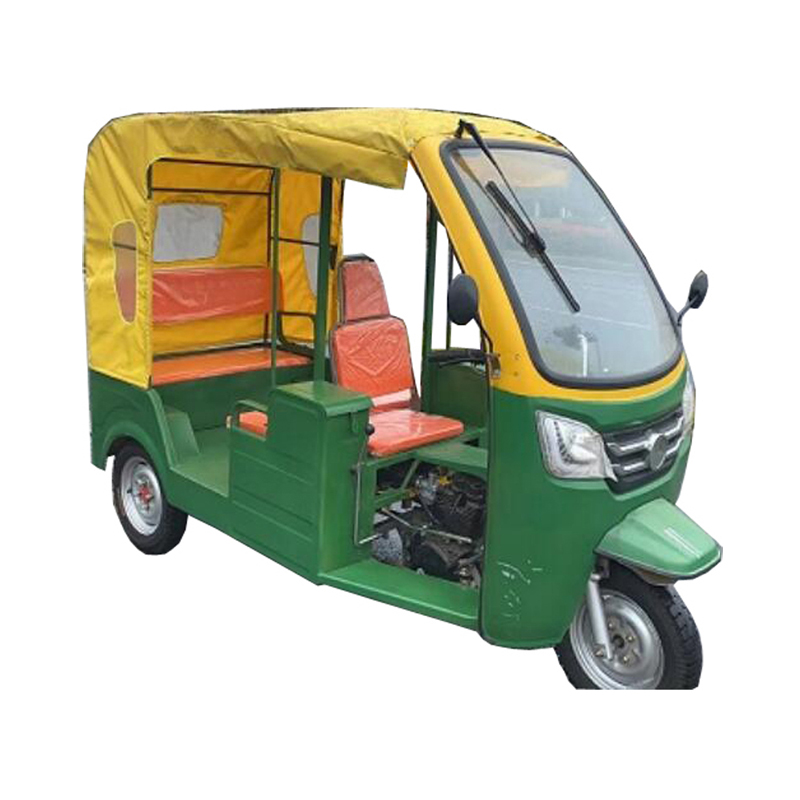
Gasoline tricycles are powered by internal combustion engines using petrol or gasoline. They have been widely used for decades, especially in developing markets and regions with limited infrastructure.
Key characteristics of gasoline tricycles include:
Strong torque and load-carrying capacity
Long operating range with fast refueling
Proven reliability on rough or uneven roads
Broad availability of spare parts and repair services
Because of these strengths, gasoline tricycles remain a popular choice for cargo transport, passenger services, and rural logistics.
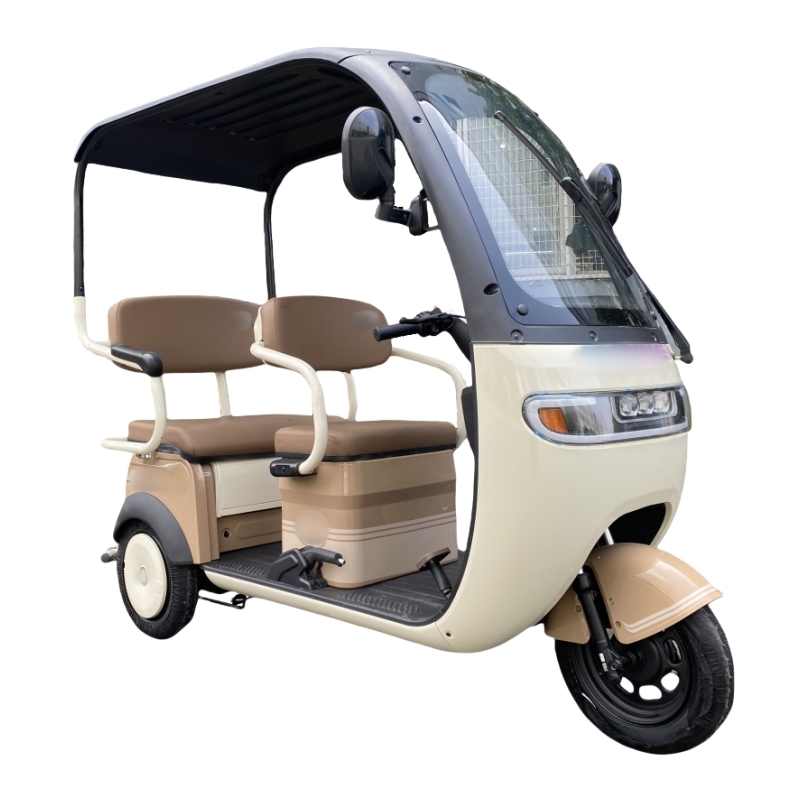
Electric tricycles rely on electric motors powered by rechargeable batteries, most commonly lithium-ion or lead-acid batteries. Over the past decade, they have gained rapid traction due to environmental and economic advantages.
Typical features of electric tricycles include:
Zero tailpipe emissions
Low noise operation
Lower daily operating costs
Simplified mechanical structure
As cities push for cleaner transportation, electric tricycles are increasingly seen as a future-oriented alternative.
Gasoline tricycles are well-known for their robust power output. Internal combustion engines provide consistent torque, especially under heavy loads or steep inclines.
Electric tricycles, on the other hand, deliver instant torque, which works well for stop-and-go urban traffic. However, under sustained heavy loads, battery capacity and motor heat management can become limiting factors.
Comparison summary:
Heavy cargo & rough terrain → Gasoline tricycles
Light to medium loads & city use → Electric tricycles
One of the biggest advantages of gasoline tricycles is refueling convenience. A full tank can often support a full day’s work, and refueling takes only minutes.
Electric tricycles depend on battery capacity and charging infrastructure. While modern lithium batteries offer improved range, charging time still ranges from several hours (standard charging) to about 1–2 hours (fast charging).
| Factor | Gasoline Tricycles | Electric Tricycles |
|---|---|---|
| Refuel / Charge Time | 3–5 minutes | 1–8 hours |
| Range Flexibility | Very high | Moderate |
| Infrastructure Dependence | Fuel stations | Charging access |
In most markets, gasoline tricycles still have a lower upfront cost due to mature manufacturing processes and cheaper components.
Electric tricycles tend to be more expensive initially, largely because batteries represent a significant portion of the total cost. That said, battery prices have been declining steadily.
This is where electric tricycles gain a clear advantage.
Electricity is generally cheaper and more price-stable than gasoline
Electric motors have fewer moving parts
Maintenance intervals are longer and simpler
Gasoline tricycles require regular oil changes, engine servicing, and more frequent mechanical repairs.
| Cost Category | Gasoline Tricycles | Electric Tricycles |
|---|---|---|
| Energy Cost | High, fuel-dependent | Low and stable |
| Maintenance | Frequent | Minimal |
| Long-Term Cost | Higher | Lower |
Over a multi-year operating cycle, electric tricycles often deliver better total cost of ownership, especially for high-frequency use.
Gasoline tricycles emit CO₂, nitrogen oxides, and particulate matter. While modern engines are cleaner than older models, they cannot match the zero-emission profile of electric tricycles.
Electric tricycles produce no direct emissions during operation, making them ideal for:
Urban centers
Indoor or semi-indoor markets
Regions with strict environmental regulations
Globally, governments are encouraging electric mobility through:
Purchase subsidies
Tax incentives
Fuel vehicle restrictions
Priority access to urban zones
As regulations tighten, gasoline tricycles may face increasing limitations in city environments, while electric tricycles benefit from policy support.
Electric tricycles excel in city environments:
Quiet operation
Lower operating cost
Easier compliance with regulations
They are especially popular for food delivery, courier services, and short-distance logistics.
Gasoline tricycles remain dominant in rural areas where:
Charging infrastructure is limited
Long distances are common
Roads are uneven or unpaved
Their durability and fueling flexibility make them more reliable in these settings.
For passenger transport, the choice depends on distance and operating environment:
Short city routes → Electric tricycles
Longer inter-town routes → Gasoline tricycles
Lithium battery technology continues to improve in:
Energy density
Charging speed
Lifecycle durability
These improvements are rapidly closing the performance gap between electric and gasoline tricycles.
Electric tricycles are more compatible with smart systems such as:
GPS tracking
Fleet management platforms
Remote diagnostics
App-based monitoring
This makes them especially attractive for professional fleet operators.
Some manufacturers are exploring hybrid tricycles that combine gasoline engines with electric assistance. While still niche, this concept could offer a middle ground in the future.
Advantages:
Strong power and long range
Fast refueling
Suitable for heavy loads
Reliable in remote areas
Disadvantages:
Higher fuel and maintenance costs
Environmental impact
Increasing regulatory pressure
Advantages:
Zero emissions
Low operating cost
Quiet and smooth driving
Policy and market support
Disadvantages:
Higher initial cost
Charging time
Battery degradation over time
The future is not about one completely replacing the other — at least not yet. Instead, the market is becoming more segmented.
Electric tricycles will dominate urban logistics, short-distance transport, and environmentally regulated zones
Gasoline tricycles will continue serving rural, heavy-duty, and infrastructure-limited regions
However, as battery technology improves and charging networks expand, electric tricycles are expected to steadily gain market share.
There is no one-size-fits-all answer.
Choose Gasoline Tricycles if your priority is long range, heavy loads, and independence from charging infrastructure
Choose Electric Tricycles if you value low operating costs, sustainability, and urban compliance
Understanding your specific operating environment and long-term cost goals is the key to making the right decision.
In general, gasoline tricycles offer better sustained power for heavy loads and long distances, while electric tricycles provide strong instant torque for city use.
Modern lithium batteries typically last 3–6 years, depending on usage, charging habits, and environmental conditions.
Not entirely. While cities may restrict them, gasoline tricycles will remain relevant in rural and industrial applications for many years.
Electric tricycles usually have lower total ownership costs due to reduced energy and maintenance expenses.
Not yet. Infrastructure, load demands, and operating conditions still make gasoline tricycles necessary in certain markets.


