
Views: 0 Author: Site Editor Publish Time: 2026-04-20 Origin: Site


Electric Motorcycles are changing how people think about riding. They are no longer rare or experimental. More riders now choose them for commuting, city travel, and even long-distance trips. But what makes them feel so different from traditional bikes? The real question is simple: how do Electric Motorcycles actually work? They store energy, control it, and turn it into motion that drives the wheels forward. This process happens smoothly and almost instantly, creating a unique riding experience.
Behind this system, several components work together in perfect balance. Manufacturers like Hongfan have helped improve these technologies through strong engineering and production standards. In this article, you will learn how Electric Motorcycles work, including their key parts, power flow, charging methods, and what makes them stand out on the road.
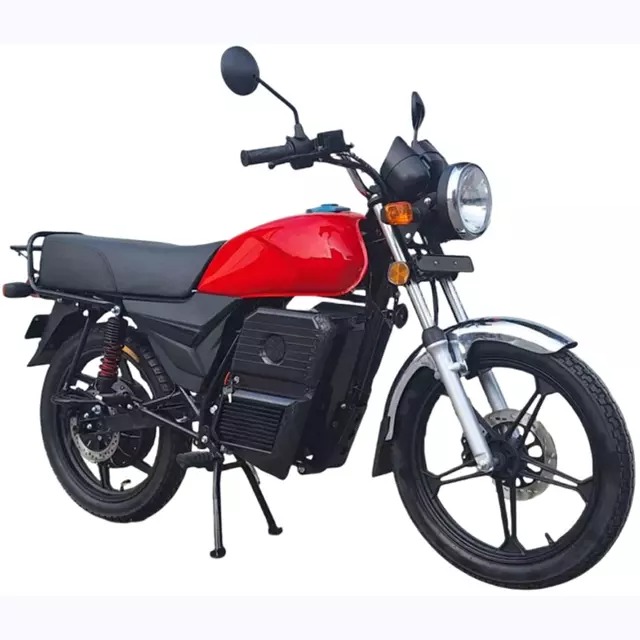
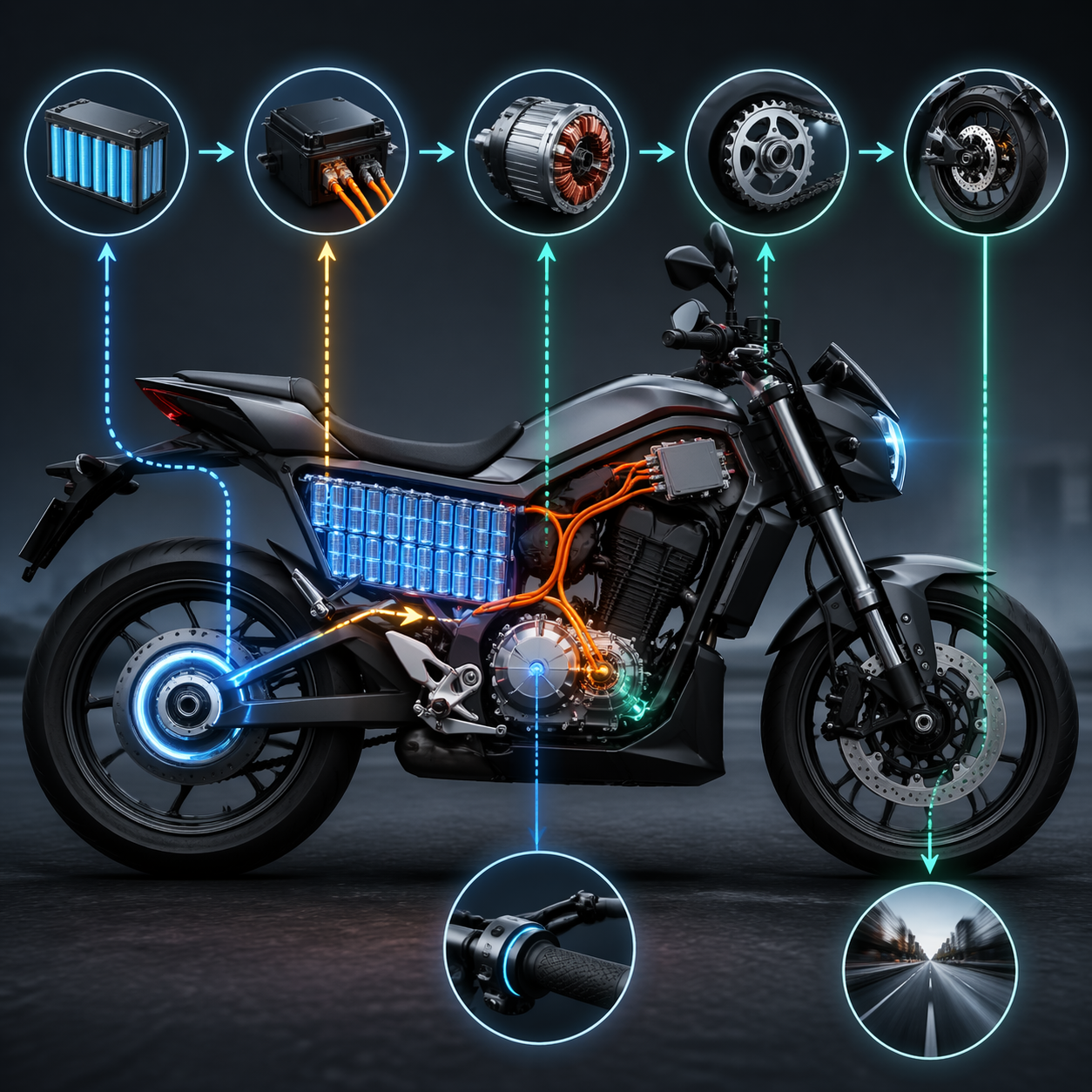
Electric Motorcycles follow a clear and direct process. They take stored energy and turn it into motion in just a few steps. Before we go deeper, here is a simple overview to help you see the full picture quickly:
Step | Component | Role | What It Does |
1 | Battery Pack | Energy storage | Stores electrical energy for riding |
2 | Controller | Power management | Controls how much power is sent |
3 | Electric Motor | Energy conversion | Turns electricity into motion |
4 | Drivetrain | Power transfer | Sends torque to the rear wheel |
5 | Power Delivery | Acceleration | Provides smooth, instant movement |
This simple flow explains why Electric Motorcycles feel smooth and responsive. Now let’s break each part down so you understand how it works in real riding.
At the core of all Electric Motorcycles sits the battery pack. It acts like a fuel tank, but instead of gasoline, it stores electrical energy. Most modern models use lithium-ion batteries due to their high energy density and long lifespan. Battery capacity is measured in kilowatt-hours (kWh). A larger capacity allows longer riding distance per charge. Riders often get between 100 to 250 kilometers, depending on riding style and conditions.
Unlike fuel systems, this energy storage is clean, efficient, and instantly available when needed. Once charged, the system is ready to deliver power without delay.
The controller acts as the brain of Electric Motorcycles. When a rider twists the throttle, it interprets that input and determines how much electricity to send to the motor.
It constantly monitors variables like battery temperature, speed, and power demand. This ensures smooth performance and prevents overload. Modern controllers even adjust output in real time, creating a seamless riding feel. Without this intelligent system, power delivery would be inefficient and unpredictable.
The electric motor is where the real transformation happens. It takes electrical energy from the battery and converts it into rotational motion.
Inside the motor, electromagnetic forces spin a rotor. This spinning motion creates the force needed to move the motorcycle forward. Unlike combustion engines, this process happens instantly—no delay, no warm-up.
This direct conversion is one of the main reasons Electric Motorcycles feel so responsive.
Once the motor generates rotation, that energy needs to reach the wheels. This is done through a drivetrain, which may use a belt, chain, or direct drive system.
Because Electric Motorcycles do not rely on multi-gear transmissions, the drivetrain is simpler. Power flows directly from motor to wheel, reducing energy loss and mechanical complexity.
This streamlined design improves efficiency and reduces maintenance needs.
One of the most noticeable differences is acceleration. Electric motors provide maximum torque from the moment they start spinning. This means riders experience smooth, powerful acceleration without shifting gears. There is no clutch, no delay—just immediate response.
This feature not only enhances performance but also makes riding easier for beginners.
The battery is the foundation of Electric Motorcycles. It determines range, performance, and charging time in daily use. Advanced battery systems include thermal management, which helps keep temperatures stable during long rides or repeated charging cycles. This improves both safety and efficiency.
They are designed for durability and long-term use. Many battery packs can last several years before replacement becomes necessary. Proper battery management also ensures consistent power output, which keeps performance stable across different riding conditions. Riders benefit from reliable energy delivery every time they start the bike.
Electric motors are compact yet very powerful. They produce high torque instantly, without requiring complex mechanical systems. This allows Electric Motorcycles to accelerate smoothly and respond quickly to rider input.
Because they have fewer moving parts than combustion engines, they operate quietly and require less servicing. This simple structure reduces wear over time and improves reliability. Riders often notice less vibration and more consistent performance during both short and long rides.
The controller coordinates the entire system. It ensures that energy flows efficiently from the battery to the motor. By reading throttle input, it adjusts power delivery in real time, which creates smooth and controlled acceleration. It also enables features like riding modes. Riders can switch between eco, standard, or sport settings depending on their needs. This flexibility helps balance performance and efficiency, making Electric Motorcycles suitable for different riding environments and styles.
The drivetrain connects motor output directly to the wheel. Its design plays a key role in overall performance and energy efficiency. Because Electric Motorcycles do not rely on complex gear systems, the drivetrain remains simple and effective.
Options like belt drives offer quieter operation and smoother performance. Chain drives provide strength and durability for heavier use. Direct drive systems reduce mechanical loss even further, increasing efficiency and delivering power more directly to the road.
Hub motors are built directly into the wheel, usually the rear one. This design removes the need for extra transmission components like chains or belts. It creates a cleaner structure, which helps reduce mechanical complexity and overall system weight.
They offer a simple and efficient solution for many riders. Because fewer parts are involved, maintenance becomes easier and less frequent. Riders also benefit from quiet operation and smooth power delivery, especially during city commuting where simplicity and reliability matter most.
Mid-drive motors sit near the center of the bike frame. This placement improves weight distribution, which helps the motorcycle feel more stable during turns and acceleration. It creates a more balanced riding experience, especially at higher speeds.
They also allow better torque control by working more directly with the drivetrain. This makes them ideal for performance-focused Electric Motorcycles. Riders often notice improved handling and stronger power delivery when riding on varied terrain or longer routes.
Side-mounted motors are positioned near the rear wheel but remain outside the hub. This design offers a balance between compact size and strong performance output. It allows manufacturers to optimize space without sacrificing power.
This setup also improves cooling efficiency during extended rides. Better heat control helps maintain consistent performance over time. As a result, many newer Electric Motorcycles adopt this design for its flexibility, durability, and ability to support higher performance levels.
Charging is straightforward and flexible for most riders. Electric Motorcycles can plug into a standard home outlet or connect to public charging stations when needed. This makes daily use simple, especially for commuters who charge overnight.
Charging Type | Time Required | Use Case |
Home Charging | 4–6 hours | Daily use |
Fast Charging | 45–60 minutes | Quick top-ups |
This flexibility makes Electric Motorcycles practical for both short and long rides.
Battery size plays a key role in how far Electric Motorcycles can travel. Larger batteries store more energy, which increases range and reduces the need for frequent charging. However, they can also add weight, which may slightly affect handling.
Riders usually choose battery capacity based on their daily routes. A balanced setup provides enough range for commuting while keeping the motorcycle lightweight and efficient. This helps maintain comfort and usability in everyday riding situations.
Regenerative braking adds another layer of efficiency. When the rider slows down, the motor switches function and acts like a generator. Instead of wasting energy as heat, it captures some of it and sends it back to the battery. This process helps extend the riding range slightly over time. It also reduces wear on traditional brake components. Riders often notice smoother deceleration, which improves overall control and riding comfort.
Ride modes allow riders to adjust how Electric Motorcycles perform in different conditions. Eco mode reduces power output to save energy, while sport mode increases performance for faster acceleration.
This flexibility helps riders adapt to traffic, weather, or personal preference. It improves efficiency during daily use and adds excitement when more power is needed. Over time, this balance enhances both battery life and overall riding experience.
Electric Motorcycles offer a riding experience that feels noticeably different from traditional bikes. The difference comes from how power is delivered and how the rider interacts with the machine. Instead of managing gears and engine response, riders experience a more direct and intuitive connection. The key factors behind this feeling can be summarized below:
Feature | How It Works | What Riders Feel | Riding Impact |
Instant Torque | Motor delivers full power immediately | Smooth and fast launch without delay | Better control in traffic and quick acceleration |
No Gear System | No clutch or gear shifting required | Simpler and more relaxed riding | Easier for beginners and less effort in daily use |
This combination of instant response and simplified control changes how riders interact with the road. It removes many traditional steps and replaces them with a smoother, more direct riding experience.
Electric Motorcycles require less upkeep compared to traditional bikes. There are no oil changes, spark plugs, or complex engine components to manage. This reduces both maintenance time and overall service costs for riders.
Because the system is simpler, fewer parts wear out over time. This improves long-term reliability and reduces unexpected repairs. Riders can enjoy a more consistent experience without frequent servicing interruptions.
Electric Motorcycles produce no direct emissions during operation. This makes them a cleaner option, especially in busy urban areas where air quality matters. Their quiet performance also reduces noise pollution, creating a more comfortable riding environment. Riders benefit from lower energy costs as well. Electricity is often more affordable than fuel, which helps reduce daily expenses. Over time, this makes Electric Motorcycles a practical choice for regular commuting.
Electric Motorcycles deliver fast acceleration and smooth handling. This makes them well-suited for stop-and-go traffic and crowded city streets. Riders can move efficiently through traffic while maintaining control. Their responsive power delivery improves safety in many situations. Quick acceleration helps when merging or navigating tight spaces. This combination of performance and control enhances everyday usability.
Electric Motorcycles blend simple mechanical design with modern electronic systems. This creates a balance between ease of use and advanced functionality. Riders experience intuitive controls supported by smart technology.
Features like digital displays, riding modes, and efficient power management add convenience. At the same time, the core system remains straightforward and reliable. This combination makes Electric Motorcycles both user-friendly and technologically advanced.
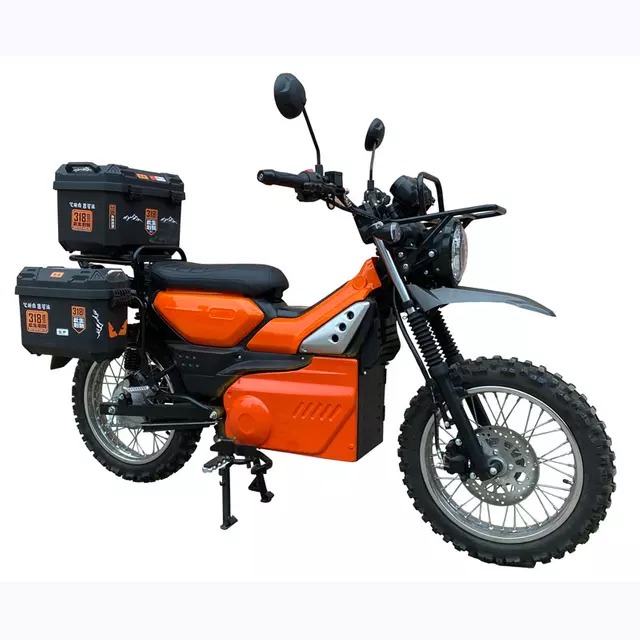
Electric Motorcycles use a clear and efficient system to create motion. They store energy in a battery, control its flow through a controller, and convert it into power using an electric motor. This power moves directly to the wheels, creating smooth and instant acceleration. Compared to traditional bikes, the system feels simpler and more responsive, while reducing mechanical complexity.
As technology improves, Electric Motorcycles continue to evolve in performance and usability. Companies like Wuxi Hongfan Group. support this progress through reliable manufacturing and strong engineering standards. Their products focus on efficiency, durability, and easy operation, helping riders experience modern mobility with confidence. In the end, Electric Motorcycles offer a cleaner, smarter, and more direct way to ride.
A: Electric Motorcycles use a battery, a controller, and an electric motor to create motion. The battery stores energy, the controller manages power flow, and the motor turns that energy into wheel movement.
A: Electric Motorcycles produce instant torque from the motor, so they do not need a traditional gearbox. Power goes directly to the drivetrain, which makes acceleration smooth and simple.
A: They feel quick because the motor delivers torque right away. This gives riders fast response from a standstill, especially in city traffic.
A: Most models charge from a home outlet or a public charging station. Some also support fast charging, which can reduce waiting time for riders.
A: Yes, many do. During deceleration, the motor can act like a generator and send a small amount of energy back to the battery.
A: In many cases, yes. They have fewer moving parts, no oil changes, and less mechanical complexity, which helps reduce routine maintenance costs.


