
Views: 0 Author: Site Editor Publish Time: 2025-09-25 Origin: Site


Mobility is one of the most important aspects of independence and quality of life. For elderly individuals and people with disabilities, however, getting around can often be challenging. Traditional options such as walking, bicycles, or even public transportation may not always provide the stability, comfort, and accessibility they need. This is where electric tricycles come in.
Electric tricycles, or e-trikes, are three-wheeled vehicles powered by rechargeable batteries. Unlike bicycles or scooters, they provide extra balance and reduce the need for physical exertion, making them particularly suitable for individuals who have limited mobility. With advances in technology and design, electric tricycles are increasingly being used as a practical and sustainable mobility solution for elderly and disabled people around the world.
This article will explore the many ways in which electric tricycles improve mobility, independence, and overall well-being for these groups, while also examining their social, economic, and environmental benefits.
Mobility is not just about getting from one place to another. It directly affects independence, social participation, and mental health. For elderly people, reduced mobility can lead to isolation, depression, or even health problems caused by a sedentary lifestyle. For disabled individuals, mobility challenges can create barriers to employment, education, and social inclusion.
Accessible and reliable transportation options are therefore crucial. While cars, buses, and trains exist, they are not always practical. Driving may become unsafe for the elderly, and public transport is often inconvenient or inaccessible for people with certain physical limitations. Electric tricycles fill this gap by offering a balance of accessibility, safety, and independence.
One of the key benefits of electric tricycles is their stability. Unlike bicycles, which require balance, tricycles have three wheels, giving them a firm grip on the ground. This makes them safer and easier to ride for those who may struggle with balance issues due to age or disability.
For elderly riders who may experience reduced reflexes, joint stiffness, or vision problems, the stability of electric tricycles reduces the risk of falls. Similarly, for individuals with disabilities that affect coordination or muscle strength, the three-wheel structure provides a dependable base, enabling them to move without fear of tipping over.
Additionally, many electric tricycles are designed with low-step or step-through frames. This makes mounting and dismounting much easier, especially for people with limited leg mobility. Handlebars and seats are often adjustable, allowing for a customized fit that enhances comfort and safety.
Traditional cycling requires significant physical effort, which can be difficult for elderly riders or those with physical limitations. Electric tricycles solve this problem by using a motor to provide power assistance. Riders can choose how much they want to pedal, or in some cases, they can rely entirely on the motor to move forward.
This feature reduces strain on the joints and muscles while still allowing riders to enjoy the benefits of being outdoors and staying active. For elderly individuals with arthritis or limited stamina, electric assistance ensures that mobility does not come at the cost of physical pain or exhaustion.
For disabled individuals, electric motors make longer trips possible, even when physical strength is limited. This extends their range of travel, allowing them to go shopping, visit friends, or commute short distances without relying on others.
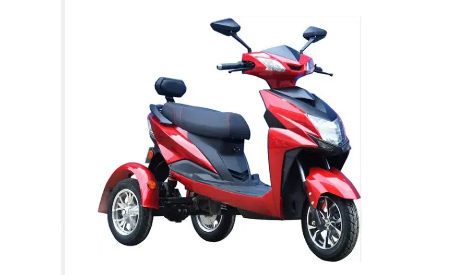
One of the greatest advantages of electric tricycles is the independence they offer. Elderly individuals often feel frustrated when they have to rely on family members, caregivers, or public transport for everyday tasks. Electric tricycles give them the freedom to travel when and where they want.
This independence can have a profound impact on quality of life. Being able to visit friends, attend community events, or simply go to the park can reduce feelings of isolation and promote social engagement. For people with disabilities, independence in mobility can also mean more opportunities for education, work, and recreation.
Independence fosters confidence. The sense of being in control of one’s movement, rather than depending on others, improves mental well-being and overall satisfaction with life.
Modern electric tricycles are designed with accessibility in mind. Manufacturers are increasingly adding features that make them user-friendly for elderly and disabled riders.
Some tricycles come with spacious and cushioned seats for comfort during longer rides. Many have storage baskets or cargo areas, making it easier to carry groceries or personal items without needing additional assistance.
For those with mobility impairments, tricycles with step-through frames or swivel seats allow easier access. Certain models even include backrests and armrests for extra support, ensuring comfort and safety during the ride.
Advanced models may include safety features such as anti-tip technology, automatic braking systems, and lights for visibility. These features help build confidence and make electric tricycles a reliable form of transport.
Mobility is closely tied to social participation. When elderly and disabled individuals can move around more freely, they are more likely to engage in community activities, visit friends and family, and take part in events that enrich their lives.
This increased social interaction reduces loneliness, which is a major problem among elderly populations. Studies have shown that loneliness can lead to cognitive decline, depression, and even physical health issues. Electric tricycles play a role in breaking this cycle by encouraging people to leave their homes more often.
For disabled individuals, greater mobility promotes inclusion. It allows them to participate more fully in education, work, and social activities, breaking down barriers to equality and empowerment.
While cars can be expensive to own and operate, electric tricycles offer a cost-effective alternative. They require less maintenance than cars, and electricity is cheaper than gasoline. This makes them particularly appealing for elderly individuals living on fixed incomes or disabled individuals who may face financial challenges.
Many governments also provide subsidies or tax incentives for purchasing electric vehicles, including tricycles. These financial benefits make them more accessible and encourage wider adoption.
For those who rely on caregivers or family members for transport, owning an electric tricycle can reduce dependency, saving both time and money for households.
Beyond personal benefits, electric tricycles also contribute to a healthier environment. They produce no emissions while in use, helping to reduce urban air pollution. Their quiet motors also minimize noise pollution, creating calmer neighborhoods.
For elderly and disabled individuals who value contributing to their communities, using electric tricycles provides a way to live more sustainably. It aligns with broader efforts to reduce reliance on fossil fuels and combat climate change.
While electric tricycles offer many benefits, there are challenges to consider. The initial cost may be a barrier for some individuals, even if long-term savings are significant. Charging infrastructure may not always be accessible, particularly in rural areas.
Another consideration is weather. Tricycles are generally open vehicles, which means riders may face difficulties during heavy rain or extreme heat. However, some modern models are being designed with partial enclosures or weather-resistant features to address this issue.
Finally, proper education and training are important. Elderly and disabled riders may need some time to get comfortable with operating an electric tricycle safely. With proper guidance, however, most riders can quickly adapt and enjoy the freedom these vehicles provide.
Electric tricycles are much more than a modern transportation trend. For elderly individuals and people with disabilities, they represent freedom, independence, and dignity. Their stability, electric assistance, and accessibility features make them a safe and practical mobility option. Beyond physical mobility, they improve mental well-being, foster social inclusion, and contribute to environmental sustainability.
By addressing mobility challenges in a thoughtful and practical way, electric tricycles are not only improving individual lives but also helping create more inclusive and sustainable cities. As adoption grows, they are likely to play an even greater role in shaping the future of urban and personal mobility, ensuring that no one is left behind in the journey toward greater independence.


