


How fast can an ATV really go? Many riders wonder about this before choosing their first machine. ATVs are built for adventure and versatility. They travel across forest trails, farms, sand dunes, and mountain paths. Because of their powerful engines and off-road design, people often expect impressive speed from them.
In reality, the speed of an ATV depends on several key factors. Engine size is important, but ATV type, terrain conditions, and overall vehicle design also affect performance. Some ATVs focus on utility tasks and trail riding, while others are engineered for stronger acceleration and higher speeds.
In this article, we explore how fast an ATV can go in real riding conditions. You will learn typical speed ranges, how different ATV types compare, and which factors influence performance. We will also look at how manufacturers such as HOFAN design ATVs that balance speed, durability, and control for reliable off-road riding.
Most ATVs reach speeds between 30 and 70 miles per hour, depending on engine size and design. High-performance models may exceed 80 mph under ideal riding conditions such as flat terrain and minimal load.
Engine displacement—measured in cubic centimeters (cc)—is the main factor affecting speed. Larger engines produce more power, which allows the ATV to accelerate faster and reach higher top speeds.
The following sections explain how speed varies by engine category.
Small ATVs are designed mainly for beginners and young riders. They prioritize easy control and smooth acceleration instead of high speed.
Typical characteristics include:
● Engine size: 50cc–125cc
● Average top speed: 15–30 mph
● Lightweight frame
● Simplified controls
These ATVs are perfect for learning basic riding skills. Even though their speed is lower, they still deliver plenty of excitement for new riders.
Mid-size ATVs represent one of the most popular categories for recreational riders. They offer a balance between manageable speed and strong performance.
Typical specifications include:
● Engine size: 200cc–400cc
● Average top speed: 40–65 mph
● Ideal for trail riding and outdoor exploration
● Good balance of torque and speed
Many riders choose this type because it works well for both fun rides and practical outdoor activities.
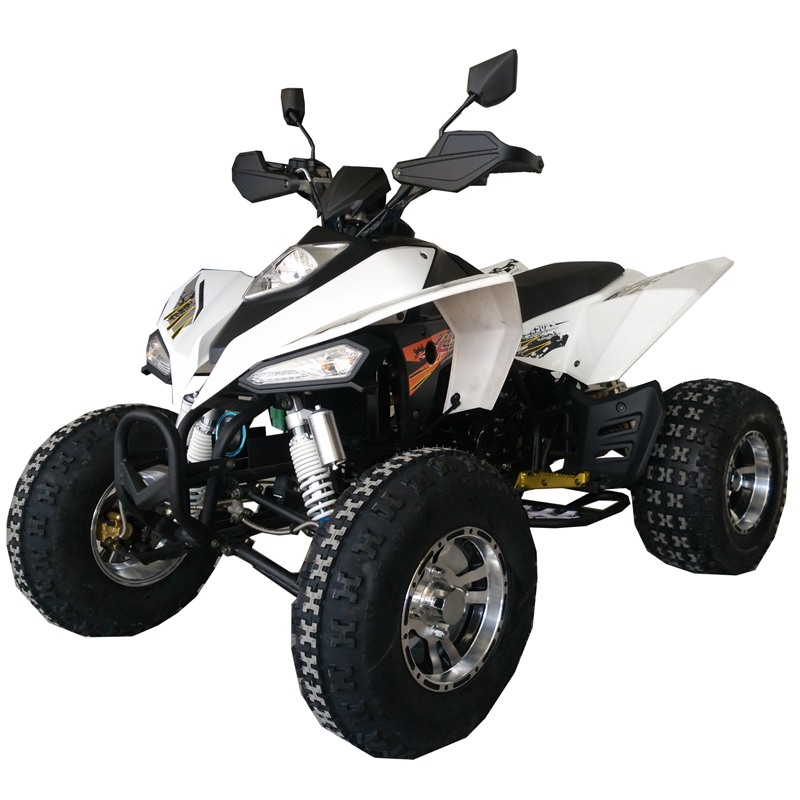
Sport ATVs focus on agility and speed. Manufacturers design them for aggressive riding, quick acceleration, and sharp handling.
Key characteristics include:
● Engine size: 450cc–700cc
● Typical speed range: 60–80 mph
● Lightweight frames
● Performance-tuned suspension systems
These machines are popular among riders who enjoy faster trail riding, sand dunes, or off-road racing environments.
High-performance ATVs are the fastest category available to most riders. They feature powerful engines, advanced suspension systems, and optimized power delivery.
Typical features include:
Engine Size | Typical Top Speed | Ideal Riders |
700cc | 70–75 mph | Experienced trail riders |
850cc | 75–80 mph | Performance enthusiasts |
1000cc+ | 80+ mph | Advanced riders seeking maximum speed |
These ATVs deliver impressive acceleration and thrilling riding experiences, especially on open terrain.
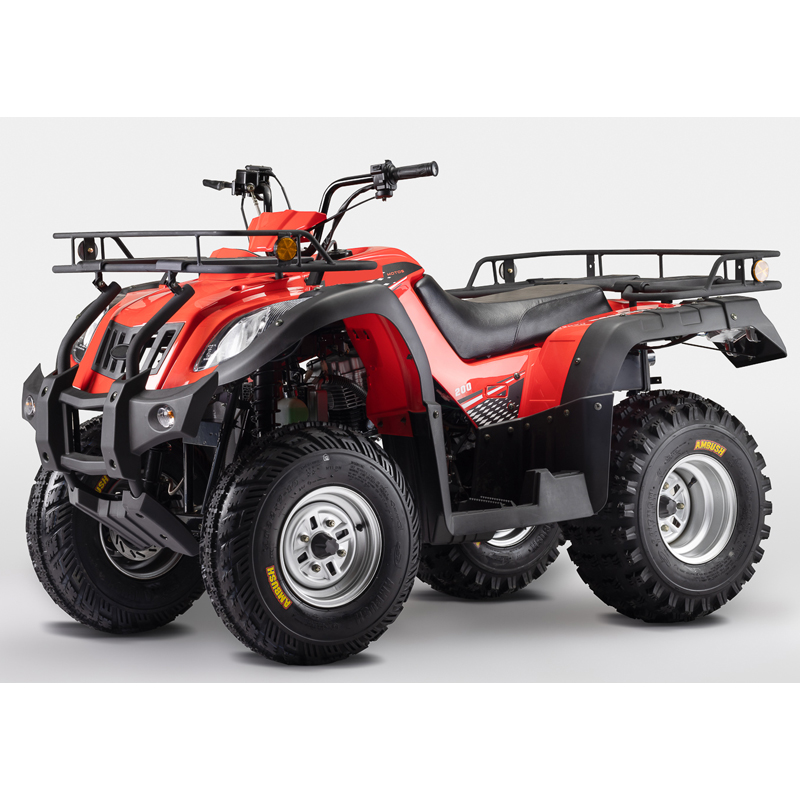
Not all ATVs are built for the same purpose. Some focus on utility tasks, while others emphasize performance. Each category offers different speed capabilities.
ATV Type | Typical Speed | Engine Size | Main Use |
Youth ATV | 15–30 mph | Small engines | Learning & beginner riding |
Utility ATV | 40–60 mph | 400cc–750cc | Work, towing, outdoor tasks |
Youth ATVs are specifically designed for younger riders or beginners learning to ride safely.
Typical characteristics:
● Speed range: 15–30 mph
● Smaller engines
● Simplified throttle systems
● Lightweight design
These models help riders develop confidence before moving to larger machines.
Utility ATVs focus on strength and versatility rather than pure speed. They are widely used for agriculture, outdoor work, hunting, and property maintenance.
Typical specifications include:
● Speed range: 40–60 mph
● Engine size: 400cc–750cc
● High torque for towing and hauling
● Durable chassis
Although utility ATVs are not the fastest, they provide reliable power and stability across different terrains.
Tip: When choosing an ATV for mixed use—both work and recreation—look for a model that balances torque and top speed rather than focusing only on maximum mph.
Engine displacement directly affects power generation. Larger engines burn more fuel-air mixture, producing stronger combustion and greater acceleration.
For example:
● A 250cc ATV may reach around 40 mph
● A 450cc ATV can approach 65–70 mph
● A 1000cc ATV may exceed 80 mph
However, speed also depends on other design elements.
Weight plays an important role in speed performance. A lighter ATV requires less energy to accelerate.
Manufacturers design modern ATVs using:
● Reinforced yet lightweight frames
● Balanced weight distribution
● Compact chassis geometry
These features help improve both speed and maneuverability.
Tires influence how effectively engine power transfers to the ground.
Key tire factors include:
● Tire size
● Tread pattern
● Tire pressure
● Terrain compatibility
For example, aggressive off-road tires provide strong traction on mud or sand, while smoother tires can help increase speed on hard surfaces.
Note: Proper tire pressure improves traction and efficiency, which can noticeably improve ATV performance during trail riding.
Terrain conditions greatly influence ATV performance. Even powerful engines cannot overcome heavy surface resistance. Riders notice clear differences when traveling across various landscapes.
The following table shows how different surfaces affect speed potential.
Terrain Type | Riding Characteristics | Speed Potential |
Hard-packed trails | Smooth surface, stable traction | Highest speeds |
Sand dunes | Loose surface requiring extra power | Moderate speeds |
Mud or wet soil | High resistance, heavy traction demand | Lower speeds |
Rocky trails | Uneven surface requiring control | Controlled speeds |
Hard-packed dirt trails provide ideal riding conditions. Low resistance allows engines to maintain higher speed. Riders experience smooth acceleration and predictable handling.
Sand dunes require stronger throttle control. The loose surface absorbs energy from the tires. As a result, ATVs often travel slower than their maximum capability.
Mud and rocky trails introduce additional challenges. Riders focus more on stability and balance. Speed becomes secondary to maintaining traction and vehicle control.
Suspension plays a critical role in high-speed off-road riding.
High-quality suspension systems help:
● Absorb bumps and shocks
● Improve stability
● Maintain tire contact with the ground
This allows riders to maintain speed while staying comfortable on uneven terrain.
ATV frames must remain strong under constant vibration and impact. Reinforced steel or alloy frames improve durability and safety.
Benefits include:
● Increased structural strength
● Improved stability at higher speeds
● Longer vehicle lifespan
Reliable manufacturing processes help ensure consistent performance. Manufacturers such as HOFAN produce ATVs using certified production systems and advanced engineering practices. Their designs focus on strong engines, durable chassis construction, and dependable off-road performance.
Power delivery systems, including transmissions and drivetrains, help control how engine power reaches the wheels.
Modern systems allow:
● Smooth acceleration
● Consistent speed output
● Improved riding comfort
These improvements make modern ATVs easier to handle even at higher speeds.
Correct tire pressure ensures optimal traction and rolling efficiency.
Benefits include:
● Better acceleration
● Improved handling
● Increased riding stability
Checking tire pressure regularly is one of the easiest ways to maintain ATV performance.
Extra weight can slow acceleration and reduce top speed. Riders often carry tools, gear, or supplies during longer rides.
Ways to improve performance include:
● Carry only essential equipment
● Distribute cargo evenly
● Remove unnecessary accessories
Small adjustments can noticeably improve how an ATV accelerates and handles on the trail.
So, how fast can an ATV go? The answer depends on engine size, ATV type, and riding conditions. Most ATVs travel between 30 and 70 mph, while high-performance models can exceed 80 mph on open terrain. However, speed is only part of the riding experience. Vehicle design, suspension quality, and terrain conditions also affect real-world performance. A well-built ATV combines power, stability, and durability so riders can travel confidently across trails, farms, or rugged landscapes.
Reliable engineering also plays an important role in long-term performance. Manufacturers such as Wuxi Hongfan Group. focus on producing ATVs that balance strong engines, reinforced frames, and dependable off-road capability. Their products are designed to deliver consistent performance, practical versatility, and long service life. With thoughtful engineering and quality manufacturing, these ATVs provide riders and distributors with dependable machines that perform well across many outdoor environments.
A: Most ATV models reach speeds between 30 and 70 mph depending on engine size and design. Smaller machines built for beginners often stay under 30 mph, while high-performance ATVs with larger engines can exceed 80 mph on flat terrain.
A: Several elements influence ATV speed, including engine displacement, vehicle weight, tire type, and terrain conditions. A larger engine typically produces more power, while lighter frames and proper tire traction help the ATV maintain higher speeds.
A: Sport ATV models are built for performance. They usually have lighter frames, performance-tuned suspension, and engines designed for acceleration. Utility ATVs focus more on torque for hauling and towing rather than maximum speed.
A: Yes, some high-performance ATV models with engines around 700cc to 1000cc can reach or slightly exceed 80 mph under ideal riding conditions such as flat terrain and minimal load.
A: Maintaining proper tire pressure, reducing unnecessary weight, and keeping the engine well serviced can improve ATV performance. Good suspension setup and suitable tires also help the vehicle accelerate smoothly.
A: Engine size plays the biggest role in determining ATV speed, but it is not the only factor. Terrain type, rider weight, and drivetrain design also influence how fast the ATV can actually travel.


