
Views: 0 Author: Site Editor Publish Time: 2026-03-18 Origin: Site


Ever wondered how fast electric scooters can really go? Many riders ask this question before buying their first scooter. Speed matters because it affects commute time, riding comfort, and overall experience.
Modern electric scooters come in many styles and performance levels. Some models focus on light urban travel, while others offer stronger motors and higher speeds. Their performance depends on key factors such as motor power, battery capacity, and frame design. Manufacturers like HOFAN, established in 1996, help drive this progress through advanced vehicle engineering and production expertise.
In this article, we’ll explore how fast electric scooters typically go and what speed ranges different models offer. You’ll also learn what factors influence scooter speed and how to choose the right performance level for your daily rides.
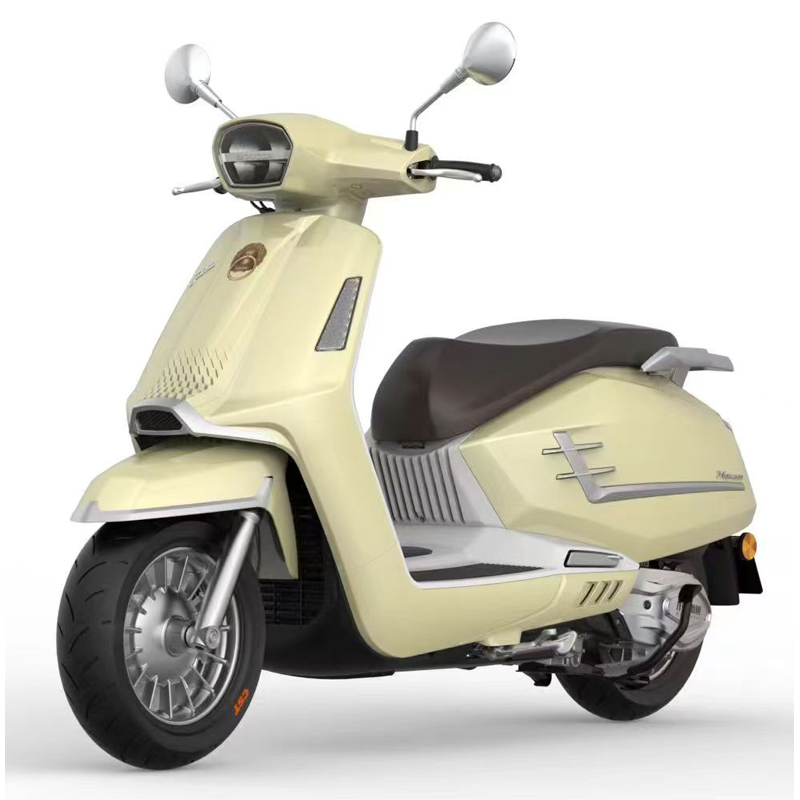
Electric scooters vary widely in speed depending on their design and intended use. Some focus on convenience and portability, while others prioritize performance and acceleration.
The table below shows common speed ranges across scooter categories.
Scooter Type | Typical Motor Power | Average Top Speed | Common Use |
Commuter scooters | 250W – 500W | 15–20 mph | City commuting |
Mid-range scooters | 500W – 1000W | 20–30 mph | Longer daily travel |
Performance scooters | 1000W – 5000W | 30–50+ mph | Recreational or long rides |
Most commuter electric scooters reach speeds between 15 and 20 mph. This range works well for navigating city streets, bike lanes, and short daily routes.
These scooters often include compact frames, lighter batteries, and efficient motors. Riders appreciate their balance of speed, portability, and control.
For example, many entry-level models use 250W to 350W motors, which provide smooth acceleration while keeping energy consumption low.
Mid-range scooters increase both motor power and battery capacity. Most reach 20 to 30 mph, which allows riders to travel longer distances without sacrificing comfort.
They usually include features such as:
● larger batteries for extended range
● improved suspension systems
● wider tires for better stability
● stronger frames for durability
Many commuters choose this category because it offers faster travel while remaining manageable in urban environments.
Performance scooters represent the fastest end of the market. These models often exceed 30 mph, and some advanced machines can reach 50 mph or more.
They achieve this speed through several upgrades:
● dual motors
● larger lithium battery systems
● reinforced frames
● advanced braking systems
These scooters appeal to riders who need faster travel or enjoy performance riding.
Most modern scooters include several riding modes. These modes allow riders to control acceleration and maximum speed.
Typical modes include:
● Beginner mode – limits speed for new riders
● Standard mode – balanced performance for commuting
● Sport mode – unlocks full motor power
This system helps riders gradually adapt to higher speeds as they gain confidence.
Urban transportation requires efficiency and maneuverability. Extremely high speeds are rarely necessary for short city trips.
A 15–20 mph range allows riders to:
● keep pace with bicycles
● move easily through traffic
● maintain stability on bike lanes
● preserve battery life
Manufacturers design many scooters specifically for this practical speed range.
Note: City regulations in many regions limit electric scooter speeds to around 15–20 mph, which explains why many models fall within this range.
Entry-level scooters emphasize simplicity and portability. They usually feature lightweight frames and foldable designs.
Typical characteristics include:
● 250W–350W motors
● speeds around 15 mph
● compact batteries
● easy storage
These scooters work well for students, short commutes, and quick city trips.
Mid-range scooters provide more power and greater range.
They often include:
● 500W–1000W motors
● speeds up to 30 mph
● improved suspension
● stronger braking systems
These scooters support longer commutes and more frequent daily use.
Performance scooters deliver impressive power and acceleration. Some use dual motors exceeding 2000W combined output.
Key features often include:
● hydraulic or advanced braking systems
● large pneumatic tires
● reinforced aluminum frames
● advanced battery management systems
These scooters combine speed and stability for riders who want stronger performance.
Motor power plays the most important role in scooter speed. It determines how quickly the scooter accelerates and how much torque it can produce.
Motor Power | Typical Scooter Type | Expected Speed |
250W–350W | Entry commuter scooters | Up to 15 mph |
500W–1000W | Mid-range scooters | 20–30 mph |
2000W+ | Performance scooters | 30–50+ mph |
Higher wattage allows the motor to deliver stronger acceleration and maintain speed during climbs.
The battery controls how efficiently power flows to the motor. Higher voltage systems allow motors to deliver stronger output.
Important battery indicators include:
● voltage (V)
● capacity (Ah or Wh)
● battery management systems
A well-designed battery system ensures consistent performance and stable speed.
Weight influences acceleration and overall speed. Heavier loads require more motor power to reach maximum speed and maintain stable performance during riding. Most scooters support rider weights between 220 and 300 pounds, though this varies depending on the scooter model and frame design. Manufacturers often reinforce frames and motors to ensure reliable performance under different rider loads.
Terrain plays a major role in real-world speed.
For example:
● smooth pavement allows maximum speed
● hills reduce acceleration
● gravel or grass increases resistance
Manufacturers such as HOFAN focus on engineering design and durable frames to maintain stable vehicle performance across varied riding environments.
Tip: When evaluating scooter performance, consider real-world terrain conditions rather than relying solely on advertised top speed.
Scooter motors usually have two power ratings.
Power Type | Description |
Continuous Power | Sustainable power output during normal riding |
Peak Power | Short bursts used during acceleration or hill climbing |
Continuous power determines long-term riding performance, while peak power supports quick bursts of speed.
Motor configuration also influences performance.
Single-motor scooters:
● lighter weight
● better efficiency
● ideal for commuting
Dual-motor scooters:
● stronger acceleration
● better hill climbing
● higher top speed
Performance scooters frequently use dual motors to achieve faster speeds and improved traction.
Actual riding speed often differs slightly from advertised top speed.
Most riders travel between 15 and 20 mph during daily commutes. This speed closely matches the pace of urban cycling and works well in city traffic. It allows riders to move efficiently through bike lanes and busy streets without sacrificing control. At this range, scooters remain stable, responsive, and easy to control even for less experienced riders.
Electric scooters often match or slightly exceed the speed of traditional bicycles. Their quick acceleration helps riders maintain steady movement in stop-and-go traffic. Here is a quick comparison:
Transport Type | Average Speed |
Walking | 3–4 mph |
Bicycle | 12–18 mph |
Electric scooters | 15–20 mph |
High-performance scooters | 30+ mph |
This makes scooters an efficient option for short-distance transportation.
Many new riders begin at slower speeds. As they gain experience, they often switch to higher performance modes.
Riders typically progress through stages:
1. beginner mode for control
2. moderate commuting speed
3. performance riding once comfortable
This gradual approach helps improve safety and confidence.
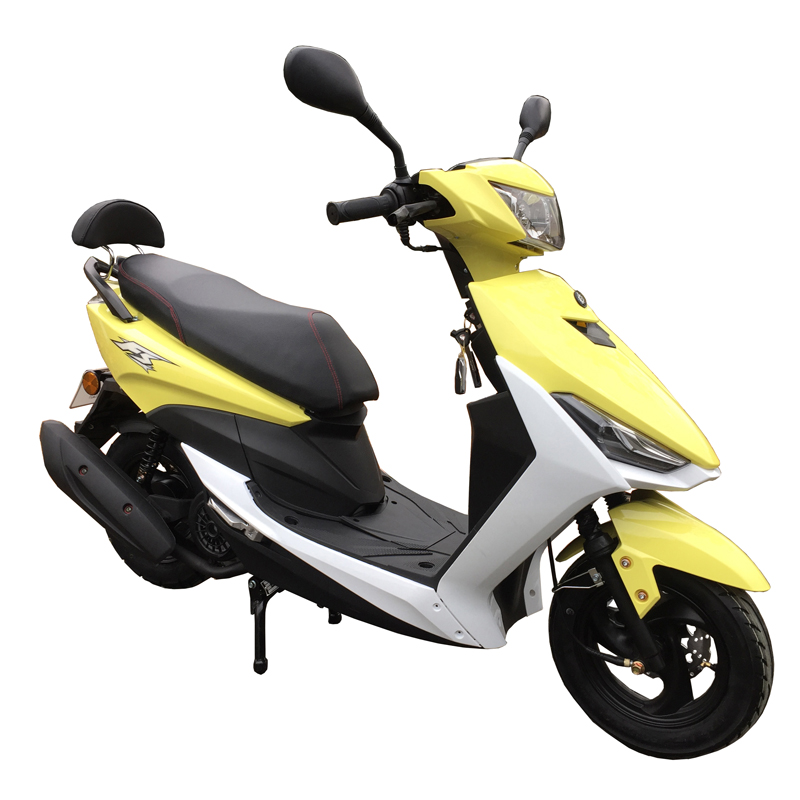
For short trips, scooters reaching 15–20 mph provide excellent convenience and efficiency. They move quickly through bike lanes and crowded streets while remaining easy to control. This speed range works well for daily errands, short commutes, and quick rides across urban neighborhoods.
Riders traveling longer distances may prefer scooters capable of 20–30 mph. This speed significantly reduces commute time while maintaining strong stability and riding comfort. Many mid-range scooters are designed for this purpose, offering better suspension and larger batteries for extended travel.
Some riders prefer stronger acceleration and higher speeds above 30 mph. These scooters often include powerful motors, reinforced frames, and advanced braking systems. They are designed for experienced riders who want faster travel and more dynamic riding performance.
Manufacturers like HOFAN illustrate how vehicle manufacturers are expanding electric mobility solutions to meet diverse rider preferences, from daily commuting to high-performance riding.
Electric scooters now offer many speed levels for different riders. Most commuter models travel around 15–20 mph, which works well for daily urban transportation. Mid-range scooters usually reach 20–30 mph, helping riders move faster across longer city routes. High-performance scooters can exceed 50 mph, offering stronger acceleration and powerful riding performance.
The ideal scooter speed depends on several factors. Riders should consider commute distance, terrain conditions, personal riding experience, and motor power when choosing a model. As electric mobility technology evolves, manufacturers continue improving engineering, battery systems, and motor efficiency to deliver smoother and more reliable riding.
Wuxi Hongfan Group. represents this ongoing innovation in electric mobility. Its vehicles combine durable engineering, stable performance, and reliable manufacturing expertise. These strengths help deliver electric scooters that provide practical value, efficient transportation, and a comfortable riding experience for modern urban travel.
A: Most electric scooters designed for commuting travel between 15–20 mph. This speed works well for city streets and bike lanes. Mid-range models can reach 20–30 mph, while high-performance scooters may exceed 50 mph depending on motor power and design.
A: The speed of electric scooters depends on several key factors. These include motor wattage, battery voltage, rider weight, and terrain conditions. Smooth roads allow higher speeds, while hills or rough surfaces can reduce performance.
A: In many cases, electric scooters can match or slightly exceed the speed of traditional bicycles. Most bicycles average around 12–18 mph, while commuter scooters commonly travel at 15–20 mph, making them competitive for short city trips.
A: Many electric scooters are designed for urban transportation. Manufacturers often limit speeds to around 15–20 mph to improve safety, battery efficiency, and compliance with city regulations.
A: Riders can increase speed by switching riding modes on electric scooters, such as moving from beginner mode to sport mode. However, they should gradually build experience and always ride on suitable surfaces to maintain control.
A: Riders who want higher speeds usually choose mid-range or performance electric scooters. These scooters typically include stronger motors, larger batteries, and improved suspension systems that support speeds above 20 mph.


