
Views: 0 Author: Site Editor Publish Time: 2026-06-05 Origin: Site


The price of an electric motorcycle can be hard to judge because two models that look similar may use very different batteries, motors, brakes, and range configurations. A low-cost city bike may be enough for short daily rides, while delivery use or longer commuting often requires more battery capacity and stronger performance. For buyers comparing Electric Motorcycles, the real question is not only the purchase price, but what is included in that price. Understanding battery type, motor power, certification, freight, and long-term maintenance helps you compare offers more accurately.
In the current market, electric motorcycle prices can be understood in several broad levels. Basic low-speed or city-use models may start around US$2,000–US$5,000, especially when they are designed for short trips, moderate speed, and simple daily mobility. More capable urban commuter models often sit around US$6,000–US$10,000, depending on battery type, design, range, and road-use features.
Models with stronger performance, better range, and more complete road capability usually move into the US$10,000–US$18,000 range. Premium or long-range Electric Motorcycles can exceed US$20,000, especially when they use high-capacity lithium batteries, stronger motors, advanced control systems, and more complete safety or compliance features.
Factory quotation works differently from retail pricing. A retail price usually includes local distribution costs, taxes, dealer margin, and market-specific expenses. A factory quotation is usually based on the selected configuration, order quantity, battery option, motor power, packing method, and shipping term. If a price is listed as FOB, it should not be treated as the final cost paid by the end user.
This distinction matters for importers, distributors, fleet buyers, and dealers. A low FOB price may still become much higher after freight, customs duty, local taxes, port charges, inland transport, registration, and service preparation are included. Buyers should compare landed cost, not only the unit price.
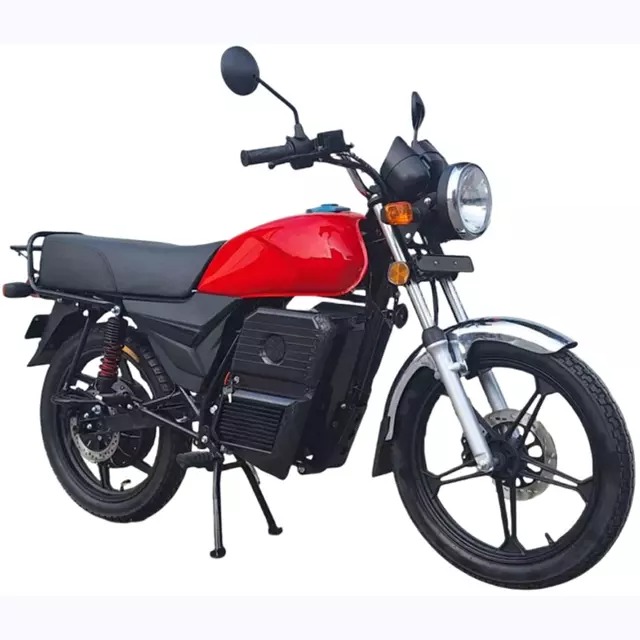
The price of Electric Motorcycles becomes easier to judge when it is matched to the riding purpose. A short-distance city rider does not need the same configuration as a delivery operator who rides for hours each day. A distributor selling into a price-sensitive market also has different priorities from a buyer targeting higher-speed or longer-range users.
Market Price Level | Typical Use | Main Cost Driver | What Buyers Should Check |
US$2,000–US$5,000 | Short city rides, basic local mobility | Smaller battery, moderate motor power | Real range, charger, brake type |
US$6,000–US$10,000 | Daily commuting, urban delivery | Better battery, stronger brakes, more stable range | Battery chemistry, load capacity, warranty |
US$10,000–US$18,000 | Faster commuting, longer range | Larger lithium battery, stronger motor, better components | Speed, range, certification, parts support |
Above US$20,000 | Premium or long-range use | High-capacity battery, advanced systems, stronger hardware | Service support, total ownership cost |
A low price is useful only when it matches the user’s real route. If a motorcycle cannot meet the buyer’s expected range, road speed, load, or local compliance requirements, the lower purchase price may create higher costs later.
The battery is usually one of the biggest reasons electric motorcycle prices differ. A smaller battery can reduce the initial purchase cost, but it also limits daily range and may reduce market appeal. A larger battery increases the price, yet it can support longer use, fewer charging stops, and better user confidence.
Battery chemistry also matters. Lead-acid batteries are usually more affordable, which can help lower the entry price in cost-sensitive markets. The drawback is higher weight and less convenience for many daily users. Lithium batteries cost more, but they are lighter, more efficient for modern electric mobility, and usually easier to position in commuter or higher-value markets.
For basic city commuting, a moderate battery may be enough. Delivery use is different because riders need dependable uptime and fewer charging interruptions. Longer commuting also changes the calculation because users care more about whether the motorcycle can complete the route comfortably than whether it has the lowest starting price.
HOFAN offers electric motorcycle configurations with different battery options. Some are more suitable for cost-controlled city use, while larger lithium configurations are better suited to buyers who need stronger range or higher product positioning. The exact price should be quoted by configuration rather than assumed from appearance.
Motor power affects acceleration, climbing ability, passenger load, and riding confidence. A moderate-power electric motorcycle can work well for flat urban roads, short commutes, and everyday local travel. A stronger motor raises the price but may be useful for faster roads, heavier riders, slopes, or commercial use.
More power is not always better value. A buyer may pay extra for a high-output motor even when the target riders rarely use that performance. If most users ride in dense city traffic, practical range, stable braking, battery reliability, and service support may matter more than top speed.
Range should also be read carefully. A range figure can change according to rider weight, road gradient, temperature, tire condition, traffic, speed, and riding style. City riding usually consumes less energy than sustained high-speed riding. Buyers should ask whether the stated range reflects realistic daily use or only a light-load test condition.
Price differences also come from components that buyers may overlook at first. Brake type, tire size, frame strength, suspension, controller quality, lighting, and load capacity all influence real value. A motorcycle with stronger braking and better load support may cost more, but it can be more suitable for delivery, fleet use, or heavier daily operation.
Certification can also affect price. In many markets, Electric Motorcycles need proper documentation before they can be imported, registered, insured, or sold legally. EEC or CE-related requirements may influence product configuration, testing, paperwork, and final quotation.
This is why two motorcycles with similar appearance can have very different prices. The body design tells only part of the story. Battery system, motor output, braking, tires, load rating, certification, spare parts, and warranty terms all need to be checked before judging whether a price is fair.
For B2B buyers, the motorcycle price is only the starting point. A factory FOB price usually does not include all costs after export. Ocean freight, insurance, destination port fees, customs duties, local taxes, inland delivery, registration, inspection, and dealer margin may still apply.
Landed cost gives a more accurate picture. It refers to the total cost of bringing one motorcycle into the target market and preparing it for sale or use. A low FOB price may not be the lowest-cost option if freight, compliance, packaging, or after-sales preparation adds too much cost later.
Container loading quantity can also affect the real price per unit. A compact model that allows more units in one container may reduce freight cost per motorcycle. A larger or heavier model may have stronger performance value, but its shipping cost per unit may be higher. Importers and distributors should calculate cost after freight and local charges before setting retail price or fleet budget.
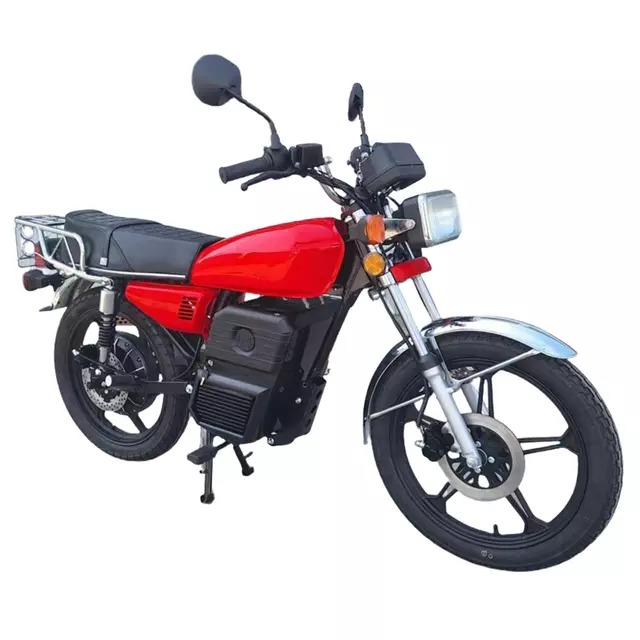
Electric Motorcycles can reduce some routine maintenance compared with gasoline motorcycles. They do not need oil changes, spark plugs, fuel system maintenance, or exhaust servicing. This can be valuable for commuters and fleet operators who care about daily operating efficiency.
They still have ongoing costs. Tires, brake pads, chargers, controllers, suspension, lighting, wiring, and batteries all require attention. Battery warranty is especially important because the battery is one of the most expensive components. A low purchase price may become less attractive if battery replacement terms are unclear.
Spare parts support is also part of the real cost. Distributors and fleet buyers should check whether chargers, brake parts, controllers, tires, mirrors, lights, and battery-related parts can be supplied consistently. Reliable parts availability can reduce downtime and prevent small service issues from becoming expensive customer complaints.
For cost-controlled city commuting, the best configuration is usually not the most powerful one. Buyers should focus on practical daily range, suitable speed, stable braking, easy charging, and manageable price. If the rider mainly travels short urban routes, a moderate motor and reasonable battery capacity may be enough.
HOFAN provides electric motorcycle configurations for urban commuting, delivery services, and recreational use. Some configurations are more suitable for basic city mobility, while others are designed for stronger range or higher performance. This allows buyers to request a price based on the actual market need instead of choosing the highest specification by default.
A city-focused configuration may suit students, short-distance commuters, local delivery riders, and distributors serving price-sensitive markets. The buyer should still check battery type, brake setup, charger, certification, warranty, and spare parts. A lower-cost model is valuable only when it can complete daily use reliably.
Longer-range and stronger-performance configurations naturally cost more. Larger lithium batteries increase range potential and reduce charging frequency. Stronger motors improve acceleration, hill climbing, and load performance. Better braking and tire setups also matter when the motorcycle is expected to run faster or carry more weight.
These configurations may fit buyers targeting delivery fleets, longer commuting routes, or markets where users compare range and speed before purchase. The added cost should be connected to real demand. If the target market is highly price-sensitive, a high-spec model may be harder to sell. If users expect stronger range and road performance, a basic model may feel underpowered.
Buyer Need | Better Configuration Direction | Reason |
Short urban riding | Moderate motor, smaller battery | Keeps purchase cost controlled |
Daily commuting | Balanced battery and practical speed | Improves usability |
Delivery routes | Larger battery and parts support | Reduces downtime |
Higher market positioning | Stronger motor and lithium battery | Supports better perceived value |
Regulated markets | Certified configuration | Reduces import and registration risk |
HOFAN specifications should be used as configuration references, not as a reason to overload the article with product details. The better approach is to match battery, motor, range, certification, and order quantity to the buyer’s market.
Overpaying often begins when buyers choose specifications before defining the use case. A rider traveling 10–20 km per day does not need the same battery as a delivery rider covering long routes. A city commuter may not need high top speed. A fleet buyer may need warranty and spare parts support more than maximum power.
Before requesting a quote, define daily distance, road type, rider load, charging access, and target market requirements. If the motorcycle will be resold, consider what local customers care about most. Some buyers focus on the lowest purchase price, while others compare battery type, range, speed, appearance, and warranty.
Certification should be checked early. A cheaper motorcycle without the right documents can create import, registration, or resale problems. Paying slightly more for a compliant configuration may reduce risk in the long run.
A proper quote comparison should include the full configuration. Battery chemistry, battery capacity, motor power, range claim, brake type, tire size, charger, certification, packing quantity, warranty, and spare parts support all affect value. Without these details, two prices cannot be compared fairly.
The cheapest Electric Motorcycles are not always the lowest-cost choices over time. Weak range, limited parts supply, unsuitable certification, or unclear battery warranty can create extra costs after purchase. Buyers should ask for a complete specification sheet and confirm what is included before judging the price.
A better purchase decision looks at both market price and operating reality. The right model should fit the route, meet local rules, support maintenance, and remain competitive in the target market.
The cost of Electric Motorcycles is shaped by more than the model name or the lowest quoted price. Battery type, motor power, range, certification, freight, spare parts, and warranty all affect the real value buyers receive. A practical choice starts with the riding scenario, then matches the configuration to daily distance, speed needs, and market requirements.
Wuxi Hongfan Group provides electric motorcycle options for commuting, delivery, and recreational use, helping buyers compare configurations more clearly and choose a model that supports reliable operation, manageable costs, and long-term usability.
A: Prices vary widely. A basic urban model may cost much less than a long-range or high-speed model because battery capacity, motor power, brakes, and certification affect the final price.
A: Usually, yes. They use electricity instead of fuel and have fewer combustion-related parts, but tires, brakes, chargers, batteries, and controllers still require cost planning.
A: Range depends on battery capacity, rider weight, road speed, hills, temperature, and riding style. City riding often achieves better range than high-speed riding.
A: Many models can charge from a standard outlet, while some larger battery models may support faster charging options. Charging time depends on battery size and charger output.
A: Higher prices usually come from larger lithium batteries, stronger motors, better brakes, heavier-duty frames, longer range, certification requirements, and more complete after-sales support.
A: It can be worth it for predictable daily routes, especially when charging is convenient. Buyers should match range, speed, battery type, and maintenance support to actual commuting needs.


