


Have you ever noticed your ATV losing grip on rough trails or muddy paths? Many riders experience this once their tires begin to wear out. Tires face constant pressure during every ride. Rocks, dirt, and mud slowly reduce tread depth and traction. Because of this, learning how to change ATV tires becomes an essential skill for every rider.
Tires play a major role in stability and steering control. When rubber ages or tread becomes shallow, the ATV may struggle on loose or wet terrain. Replacing worn tires at the right time helps maintain safe handling and smooth performance.
In this article, we will explain how to change ATV tires step by step. You will learn which tools to prepare, how to remove old tires, and how to install new ones properly. By the end, you will understand how simple tire maintenance can keep your ATV ready for any trail.
Below are the basic tools required for removing and installing ATV tires.
Tool | Purpose |
Tire irons / tire spoons | Pry the tire bead over the rim |
Bead breaker | Separate tire bead from the wheel rim |
Socket wrench | Remove wheel lug nuts |
Air compressor | Inflate tire and seat bead |
Tire pressure gauge | Check correct PSI after installation |
Tire irons provide leverage for lifting the tire bead. A bead breaker helps loosen the bead that sits tightly against the rim. Without it, removal becomes difficult.
An air compressor is equally important. It inflates the tire and helps the bead seat firmly onto the rim.
Some small accessories can significantly simplify tire replacement.
● Valve stem removal tool
● Ratchet strap for bead seating
● Dish soap or tire lubricant
● Rim protectors or cloth pads
Dish soap mixed with water works well as a lubricant. It reduces friction and helps the tire slide onto the rim smoothly.
A good workspace prevents accidents and makes the job easier.
Choose an area that meets these conditions:
● Flat, stable ground
● Enough room to move around the ATV
● Solid jack support for lifting the vehicle
● Organized tools nearby
A garage floor or workshop area works best. Outdoor flat concrete surfaces also work well.
Note: Always secure the ATV before lifting it. A stable setup prevents movement while removing wheels.
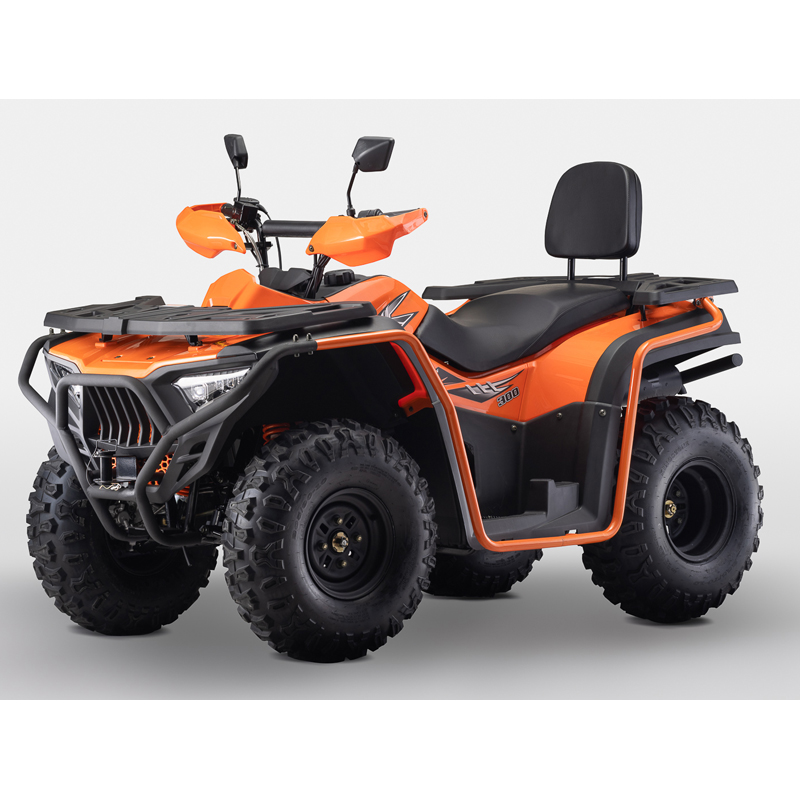
Start by parking the ATV on level ground. Engage the parking brake if available.
1. Loosen the lug nuts slightly while the wheel is still touching the ground.
2. Place a jack under the ATV frame.
3. Lift the vehicle until the wheel is off the ground.
4. Remove the lug nuts and pull the wheel off the axle.
Keep all nuts together to avoid losing them.
Before removing the tire, all air must be released.
Use a valve stem removal tool to remove the valve core. Once removed, air escapes quickly. Ensure the tire is fully deflated before proceeding.
Deflating the tire prevents pressure from resisting the bead-breaking process.
The bead is the thick edge of the tire that seals against the rim. Over time, it sticks tightly.
To break it:
1. Place the bead breaker between the tire and rim.
2. Apply downward pressure.
3. Rotate around the wheel until the bead loosens completely.
Repeat the process on the opposite side of the tire.
Now the tire can be removed from the rim.
Spray soapy water around the bead to reduce friction. Then follow these steps:
1. Insert a tire iron between the rim and tire.
2. Pry the bead over the rim edge.
3. Move around the wheel slowly.
4. Remove the top bead, then the bottom bead.
Take your time during this step. Forcing the tire too quickly may scratch the rim.
Before installing the new tire, inspect and clean the rim.
Remove dirt, sand, or old lubricant. A clean rim ensures a proper seal.
Next, check the tire sidewall for the direction arrow. Many ATV tires are directional. Mounting them correctly improves traction and mud clearance.
Apply lubricant around the tire bead and rim edge.
Installing the new tire is similar to the removal process but in reverse.
1. Push the lower bead onto the rim by hand.
2. Use tire irons to guide the upper bead over the rim.
3. Move around the rim slowly to prevent stretching the tire.
Using bead holders or an additional tire iron helps hold the bead in place.
Once mounted, the tire must seal against the rim.
Connect an air compressor and begin inflating. As pressure increases, the bead snaps into place against the rim.
You may hear a popping sound when the bead seats. This is normal.
After the bead seats, adjust the tire pressure to the recommended PSI.
Finally, reinstall the wheel.
1. Place the wheel onto the axle.
2. Hand-tighten the lug nuts.
3. Lower the ATV.
4. Tighten lug nuts in a star pattern.
This pattern ensures even pressure across the wheel.
Lubrication reduces friction between the tire bead and rim.
Common options include:
● Soapy water
● Tire mounting lubricant
● Commercial bead paste
They help the bead slide into place without excessive force.
Metal tools can scratch aluminum rims.
Use one of these methods:
● Wrap tire irons in cloth
● Use plastic rim protectors
● Apply gentle pressure rather than sudden force
This keeps wheels looking new.
Many ATV tires use directional tread patterns.
The sidewall usually shows an arrow indicating forward rotation. Always confirm the direction before installing.
Mounting it incorrectly reduces traction and affects mud clearing performance.
Start with slow inflation and monitor the tire carefully. Watch the bead edges as pressure increases. When the bead slides into position, you will usually hear a clear popping sound. This sound indicates the bead has seated against the rim. Once the bead is fully seated, stop inflating and adjust the tire pressure to the recommended level.
Sometimes the tire sidewalls remain too loose to seal.
A ratchet strap can help:
1. Wrap it around the tire circumference.
2. Tighten it slightly.
3. This pushes the bead outward toward the rim.
Then inflate the tire again.
After inflation, inspect both sides of the tire carefully. Look closely at the gap between the rim and bead. The spacing should appear even around the entire rim. Uneven gaps usually indicate the bead has not fully seated and may require adjustment.
Correct tire pressure improves ride comfort, traction, and tire lifespan. Most ATV tire pressure ranges between 5 and 10 PSI, depending on terrain, load, and tire design. Riders who travel on soft terrain may use slightly lower pressure for better grip.
Terrain Type | Recommended Pressure Range |
Mud or sand | 4–6 PSI |
Mixed trails | 5–7 PSI |
Hard packed dirt | 6–10 PSI |
Tip: Lower pressure improves grip on soft surfaces. Slightly higher pressure suits rocky or compact trails.
All-terrain tires are the most common option.
They work well on:
● Dirt trails
● Gravel roads
● Forest paths
● Hard-packed soil
These tires provide balanced grip and durability.
Mud tires feature deeper tread patterns.
Their wide spacing helps clear mud quickly. Riders who frequently ride in wetlands or muddy trails often prefer them.
ATVs vary in purpose. Utility models require durable tires for heavy loads. Sport models prioritize speed and responsiveness.
Manufacturers such as HOFAN design ATVs with strong engines and reinforced frames for rugged environments. Using terrain-appropriate tires allows these machines to perform at their best across demanding landscapes.
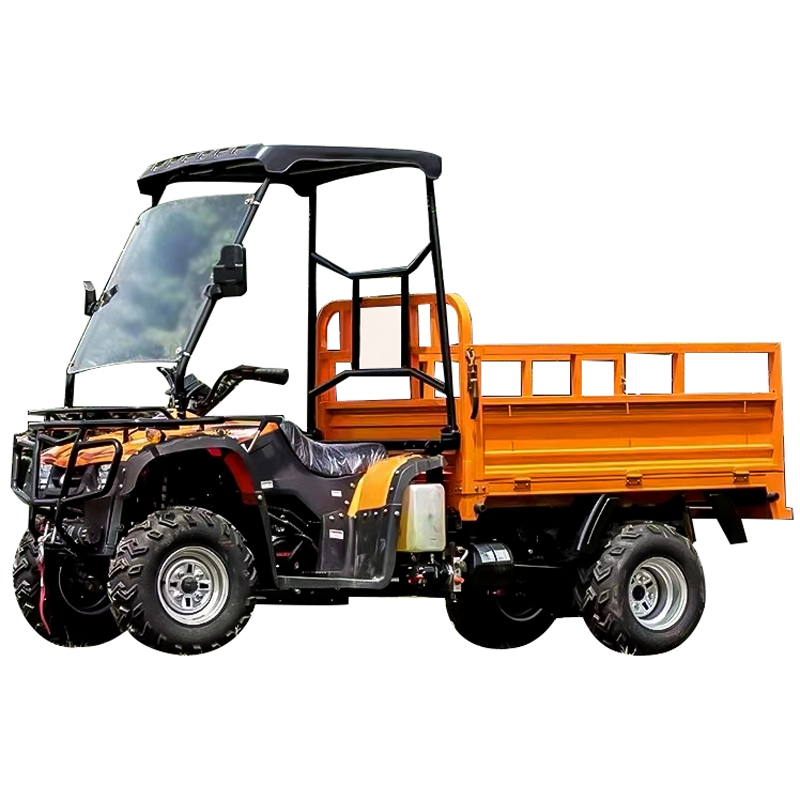
Watch for these indicators:
● Tread depth becomes shallow
● Cracks appear in the rubber
● Uneven wear patterns develop
● Frequent air leaks occur
Worn tread reduces traction, especially on wet or loose terrain.
Most ATV tires last between 3 and 5 years, depending on usage.
Several factors affect tire lifespan:
Factor | Effect on Tire Wear |
Riding terrain | Rocks and gravel wear tires faster |
Riding frequency | More rides increase wear |
Tire pressure | Incorrect pressure speeds up wear |
Riding style | Aggressive riding shortens lifespan |
Inspect tires regularly to maintain safe riding conditions.
Note: Even if tread appears acceptable, rubber may degrade over time. Replacing aging tires helps prevent unexpected failures.
Learning how to change ATV tires helps riders manage maintenance and keep their vehicles performing well. The process requires simple tools, a safe workspace, and careful attention to each step. Once riders understand the procedure, they can remove worn tires and install new ones at home with confidence.
Proper tire installation improves traction, handling, and overall ride comfort. Regular inspections also help riders notice early signs of wear, allowing them to replace tires before performance drops on rough terrain or muddy trails.
Reliable equipment also plays an important role. Wuxi Hongfan Group. manufactures durable off-road vehicles designed for demanding environments. Their products combine strong engines, reinforced frames, and dependable performance. With quality vehicles and proper tire care, riders can enjoy safer and smoother ATV adventures across many types of terrain.
A: No, changing ATV tires is manageable for most riders. With basic tools like tire irons, a bead breaker, and an air compressor, the process becomes straightforward. It mainly requires patience and careful handling when removing the bead and installing the new tire.
A: You typically need tire irons, a bead breaker tool, a socket wrench, and an air compressor. A tire pressure gauge and valve stem tool also help. These tools allow you to safely remove and install ATV tires without damaging the rim.
A: For beginners, replacing one ATV tire usually takes about 30–45 minutes. After gaining experience, many riders complete the process much faster. Preparation and proper tools significantly reduce the time required.
A: ATV tires wear down from constant contact with dirt, rocks, and rough terrain. As tread depth decreases, traction and handling decline. Replacing worn tires helps maintain control and improves safety during off-road riding.
A: Inflate the tire slowly using an air compressor until the bead seals against the rim. If the bead does not seal easily, a ratchet strap around the tire can push the sidewalls outward, helping the ATV tire seat correctly.
A: Most ATV tires last about three to five years depending on riding frequency, terrain, and maintenance. Riders should also inspect tread depth and check for cracks or uneven wear to decide when replacement is needed.


