
Views: 0 Author: Site Editor Publish Time: 2025-11-24 Origin: Site


Motorcycles are a prized possession for many riders, offering an exhilarating experience and a sense of freedom on the road. Whether you're commuting to work or embarking on a weekend adventure, keeping your motorcycle in top condition is crucial for ensuring a safe, enjoyable ride. One of the most important aspects of motorcycle maintenance is ensuring the longevity of the engine. The engine is the heart of the motorcycle, and its performance directly impacts the bike’s overall efficiency, reliability, and safety. By taking the proper steps to maintain your motorcycle’s engine, you can maximize its lifespan and ensure optimal performance for years to come.
In this blog, we will explore several tips and best practices for prolonging the life of your motorcycle’s engine. From regular maintenance to proper riding habits, we will cover key aspects that will help your motorcycle stay in peak condition, saving you money on repairs and enhancing your riding experience.
One of the simplest yet most effective ways to extend the life of your motorcycle engine is by changing the engine oil regularly. Engine oil lubricates the moving parts of the engine, reducing friction and preventing excessive wear. Over time, the oil breaks down, becomes contaminated with dirt, and loses its ability to lubricate effectively.
Why Regular Oil Changes Matter:
Prevents Engine Wear: Oil helps prevent metal parts from rubbing against each other, minimizing wear and tear on the engine.
Improves Cooling: Engine oil helps dissipate heat generated by the engine, preventing overheating and maintaining the engine's optimal operating temperature.
Keeps the Engine Clean: Fresh oil prevents sludge buildup, keeping the engine clean and free from harmful contaminants.
When to Change the Oil:
The frequency of oil changes depends on your motorcycle's engine type, riding conditions, and the manufacturer’s recommendations. As a general rule, you should change the oil every 3,000 to 5,000 miles for most motorcycles. However, if you frequently ride in harsh conditions such as heavy traffic, high temperatures, or off-road environments, it may be necessary to change the oil more often.
Always use the type of oil recommended by the manufacturer. Using the wrong type of oil can affect engine performance and reduce its lifespan.
The air filter plays a critical role in the performance of your motorcycle engine. It prevents dirt, dust, and debris from entering the engine, ensuring that only clean air reaches the combustion chamber. A clogged or dirty air filter can restrict airflow, reducing engine performance, increasing fuel consumption, and causing the engine to overheat.
Why a Clean Air Filter Is Important:
Improves Engine Efficiency: A clean air filter ensures optimal airflow to the engine, improving fuel efficiency and power output.
Prevents Engine Damage: Debris that enters the engine due to a dirty air filter can cause internal damage to engine components, leading to costly repairs.
How to Maintain the Air Filter:
To maintain a clean air filter, inspect it regularly (every 5,000 to 10,000 miles) and clean or replace it as needed. If you ride in dusty or dirty environments, you may need to clean the air filter more frequently. Cleaning is usually as simple as removing the filter and washing it with mild soap and water or compressed air.
Fuel quality directly impacts the performance and longevity of your motorcycle’s engine. Using poor-quality or contaminated fuel can lead to engine knocking, misfires, and excessive carbon buildup, all of which can damage the engine over time.
Why Fuel Quality Matters:
Prevents Engine Knocking: High-quality fuel burns more efficiently, reducing the chances of knocking or pinging in the engine.
Reduces Carbon Build-up: Cleaner fuel means fewer carbon deposits on engine components, helping the engine run smoothly.
Improves Performance: Using premium fuel in the right bike can boost performance by improving combustion efficiency and power delivery.
How to Choose the Right Fuel:
Always use the type of fuel recommended by the manufacturer. Most motorcycles run on regular unleaded gasoline, but some high-performance models require premium fuel. Check your owner's manual for the correct octane rating, and avoid using fuel that has been sitting for long periods, as old fuel can degrade and affect engine performance.
If possible, avoid using fuel that contains ethanol, especially for older motorcycles, as ethanol can damage the fuel system and reduce fuel efficiency. Ethanol-free gasoline is generally a better option for preserving engine health.
Motorcycle engines generate a lot of heat, and it is essential to have a functioning cooling system to prevent the engine from overheating. Most motorcycles use either air-cooled or liquid-cooled systems, each of which requires regular maintenance to keep the engine at the right temperature.
Why Cooling Systems Are Important:
Prevents Overheating: A properly maintained cooling system ensures the engine operates at an optimal temperature, preventing overheating, which can cause permanent damage.
Improves Engine Longevity: Overheating accelerates wear and tear on engine components, leading to premature engine failure.
How to Maintain the Cooling System:
For air-cooled engines, regularly clean the cooling fins to prevent dirt and debris from obstructing airflow. For liquid-cooled engines, check the coolant level and ensure the radiator is clean and free from blockages. Replace the coolant at intervals recommended by the manufacturer, usually every 12,000 to 18,000 miles, depending on your bike model.
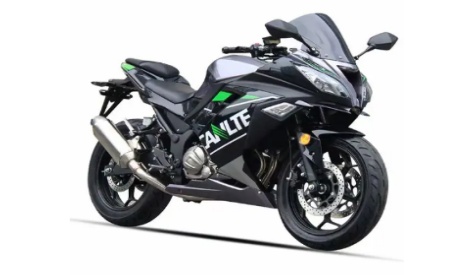
The way you ride your motorcycle can have a significant impact on the engine’s lifespan. Aggressive riding, such as rapid acceleration, high-speed driving, or frequent hard braking, puts excessive strain on the engine, causing it to wear out more quickly.
Why Riding Habits Matter:
Reduces Engine Strain: Smooth acceleration and braking help reduce stress on the engine components, leading to longer engine life.
Improves Fuel Efficiency: Riding gently and consistently at moderate speeds improves fuel efficiency, reducing the strain on the engine and improving overall performance.
How to Ride Properly:
Avoid High RPMs: Refrain from riding at high RPMs for extended periods. Shifting gears smoothly and early helps keep the engine within its optimal performance range.
Warm Up the Engine: Always allow your motorcycle to warm up before hitting high speeds. Starting the engine cold and immediately riding hard can lead to increased engine wear.
Don’t Overload the Bike: Carrying excessive weight or riding with a heavy load can strain the engine. Stick to the recommended weight limits for your motorcycle to avoid damaging the engine.
Preventive maintenance is key to keeping your motorcycle engine running smoothly. Regularly inspect critical components such as the spark plugs, fuel lines, and exhaust system to ensure they are in good condition.
Why Inspections Are Important:
Detect Early Problems: Regular inspections help detect issues before they become serious, preventing costly repairs and engine damage.
Maintain Performance: Replacing worn components ensures that your engine operates efficiently and reliably.
How to Maintain Components:
Spark Plugs: Change the spark plugs as recommended by the manufacturer, typically every 8,000 to 12,000 miles. Worn spark plugs can lead to misfires, reduced fuel efficiency, and poor engine performance.
Fuel Lines: Check the fuel lines for cracks or leaks that can cause fuel loss or contamination. Replace old or damaged fuel lines to maintain fuel efficiency.
Exhaust System: Keep the exhaust system clean and free from blockages to ensure proper engine function and prevent harmful emissions.
If you're not riding your motorcycle regularly, it's important to store it properly to avoid engine damage. Long-term storage can cause issues with the fuel system, battery, and other engine components if not handled correctly.
Why Proper Storage Matters:
Prevents Fuel System Issues: Stale fuel can clog fuel injectors and fuel lines, leading to engine performance issues.
Maintains Battery Life: Storing your motorcycle in the proper conditions can prevent the battery from discharging or corroding.
How to Store Your Motorcycle:
Fuel Stabilizer: If you plan to store your motorcycle for an extended period, add a fuel stabilizer to the gas tank to prevent the fuel from breaking down.
Battery Maintenance: Disconnect the battery or keep it on a battery tender to prevent it from discharging or corroding during storage.
Cover the Bike: Use a breathable cover to protect your motorcycle from dust and environmental elements.
Prolonging the life of your motorcycle engine requires a combination of regular maintenance, proper riding habits, and attention to detail. By following these guidelines, including changing the oil regularly, keeping the air filter clean, using high-quality fuel, maintaining the cooling system, and riding responsibly, you can ensure that your motorcycle remains in top condition for many years.
At www.hofanmotor.com, we understand how important it is to maintain your motorcycle’s performance and engine longevity. Whether you're looking for advice on maintenance or premium motorcycle parts and accessories, we are here to help. Visit www.hofanmotor.com to explore more about our products and services. Our team is ready to assist you in ensuring your motorcycle continues to perform at its best. Contact us today for more information and personalized solutions to meet your motorcycle needs.


