
Views: 0 Author: Site Editor Publish Time: 2026-02-25 Origin: Site


Gasoline tricycles have long been essential vehicles in many regions worldwide, serving as reliable workhorses for transporting goods and people alike. Their robustness and practicality make them a preferred choice for small business owners, delivery services, and rural transportation. However, to ensure a gasoline tricycle performs optimally and enjoys a long service life, proper maintenance is crucial.
This comprehensive guide focuses on effective maintenance strategies specifically tailored for gasoline tricycles. We will explore practical tips, common challenges, and the latest trends influencing maintenance practices today. Whether you are a seasoned operator or a new owner, this article offers actionable advice to keep your vehicle running smoothly for years to come.
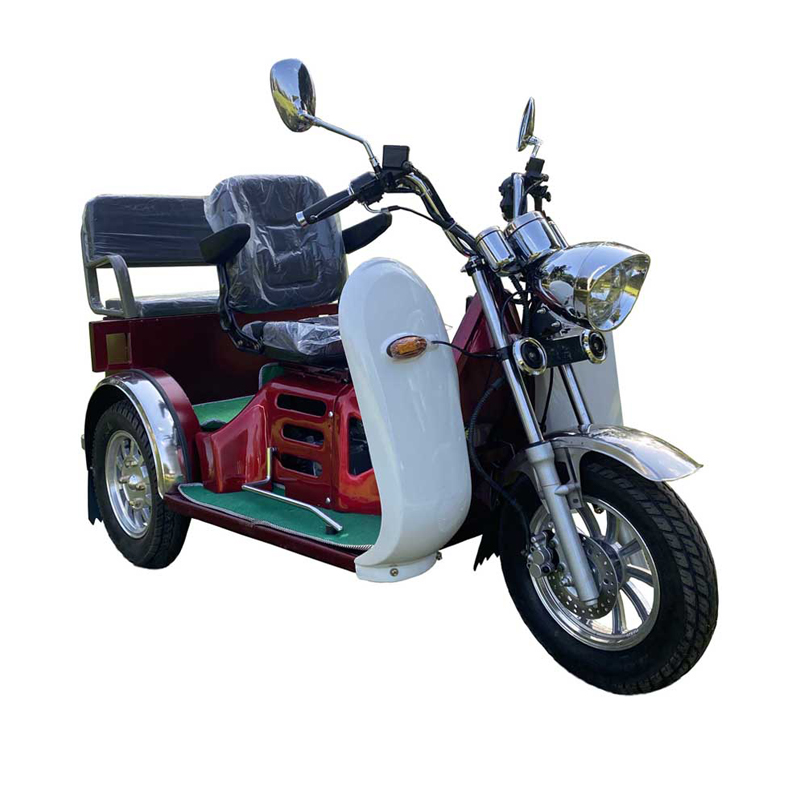
A gasoline tricycle is a three-wheeled vehicle powered by a gasoline engine. Compared to motorcycles or cars, it offers enhanced stability and cargo capacity, making it highly versatile for short to medium-distance transport.
Regular maintenance ensures that your gasoline tricycle:
Retains its power and fuel efficiency
Prevents unexpected breakdowns
Prolongs engine and component life
Ensures safety for driver and cargo
Ignoring maintenance can lead to costly repairs and reduce the overall lifespan of the vehicle.
The engine is the heart of your gasoline tricycle. Proper engine maintenance includes:
Regular oil changes: Replace engine oil every 1,000 to 1,500 kilometers to reduce friction and wear. Use the manufacturer-recommended grade.
Air filter cleaning or replacement: A clogged air filter reduces engine efficiency and increases fuel consumption. Clean it every 2,000 kilometers and replace as needed.
Spark plug inspection: Ensure spark plugs are free of deposits and properly gapped. Replace them roughly every 5,000 kilometers or if engine misfires occur.
Fuel system check: Inspect fuel lines and carburetor for blockages or leaks; clean carburetor jets regularly to maintain smooth fuel delivery.
A smooth transmission and responsive clutch are essential for safe driving:
Clutch adjustment: Check and adjust clutch cable tension periodically to prevent slipping or dragging.
Gearbox oil: Replace gearbox oil at recommended intervals, usually every 6,000 kilometers, to lubricate gears and avoid damage.
Safety depends heavily on well-maintained brakes and tires:
Brake pads/shoes: Inspect for wear every 1,000 kilometers and replace when thickness is below recommended limits.
Brake fluid: Change hydraulic brake fluid every 1-2 years to maintain braking efficiency.
Tire condition and pressure: Check for cracks, uneven wear, and maintain correct tire pressure for optimal grip and fuel economy.
An efficient electrical system guarantees reliable starts and lighting:
Battery maintenance: Keep terminals clean, check electrolyte levels (if applicable), and charge regularly. Replace batteries every 2-3 years or when performance declines.
Lighting and wiring: Test headlights, indicators, and brake lights frequently. Repair frayed wires or loose connections promptly.
A clear maintenance schedule is a key tool for vehicle owners. Below is a recommended checklist based on kilometers driven:
| Kilometers Driven | Maintenance Tasks |
|---|---|
| Every 500 km | Check tire pressure, clean air filter, inspect brakes |
| Every 1,000 km | Change engine oil, tighten bolts and nuts, lubricate cables |
| Every 3,000 km | Inspect clutch, clean carburetor, check spark plugs |
| Every 5,000 km | Replace spark plugs, change gearbox oil |
| Every 10,000 km | Check valve clearance, inspect suspension |
Adhering to this plan reduces wear and helps identify potential problems early.
Synthetic oils are gaining popularity because they offer better temperature stability, improved engine protection, and longer change intervals compared to conventional oils. Transitioning to synthetic oil can enhance engine life and reduce maintenance frequency.
Fuel additives that clean injectors and improve combustion are becoming common. These additives help keep the engine running smoothly and reduce emissions, aligning with global efforts to lower environmental impact.
Some modern gasoline tricycles are equipped with electronic control units (ECUs) and sensors. Using handheld diagnostic tools, mechanics and owners can quickly identify engine faults, emission issues, or battery health—making maintenance more precise and less time-consuming.
OEM (original equipment manufacturer) parts with better materials and manufacturing standards have become more accessible, ensuring durability and compatibility, which lowers the risk of frequent replacements.
Skipping oil changes: Delays cause engine wear and overheating.
Neglecting air filter cleaning: Reduces engine breathing and increases fuel consumption.
Using incorrect fuel or oil grades: Can damage engine components or reduce performance.
Ignoring brake issues: Compromises safety significantly.
Delaying repairs of minor issues: Small problems often escalate into costly failures.
Warm up the engine: Avoid high RPMs before the engine reaches operating temperature.
Avoid overloading: Respect the vehicle’s maximum load capacity to prevent strain on the engine and chassis.
Drive smoothly: Gentle acceleration and braking reduce stress on transmission and brakes.
Store properly: Protect from harsh weather by parking in a shaded or covered area to prevent corrosion.
Maintaining your gasoline tricycle well not only extends its life but also reduces its environmental footprint. A well-tuned engine runs more efficiently, burning fuel cleaner and emitting fewer pollutants.
Regular maintenance helps reduce:
Carbon monoxide (CO) emissions
Unburned hydrocarbons
Particulate matter
In regions tightening emission standards, this can also help owners avoid fines and restrictions.
It is recommended to change engine oil every 1,000 to 1,500 kilometers, depending on usage intensity and oil quality. Using synthetic oil can extend this interval.
Basic checks like oil level, tire pressure, and cleaning the air filter can be done by owners. However, complex tasks such as carburetor tuning or clutch adjustment are best handled by professionals.
Neglecting regular oil changes and fuel system cleaning are leading causes of engine issues. Using poor-quality fuel also contributes to carburetor and spark plug problems.
Regular oil and air filter changes, maintaining correct tire pressure, and ensuring proper ignition timing help improve fuel consumption.
Yes. Using eco-friendly oil and fuel additives, disposing of used oil responsibly, and tuning the engine for optimal combustion reduce environmental impact.


