
Views: 0 Author: Site Editor Publish Time: 2026-04-15 Origin: Site


Is the future of riding silent, or does engine sound still matter? Many riders now face this question when choosing their next bike. The rise of electric motorcycles has changed expectations, while Gasoline Motorcycles continue to hold strong appeal.
Motorcycling is evolving quickly. Riders no longer choose only by style or brand. They now compare two very different technologies. Companies like Hongfan show this shift clearly, as they build both electric and traditional motorcycles for different needs. In this article, we will explore the key differences that truly matter. You will learn how they compare in performance, convenience, and daily use. This helps you choose the right motorcycle for your lifestyle.
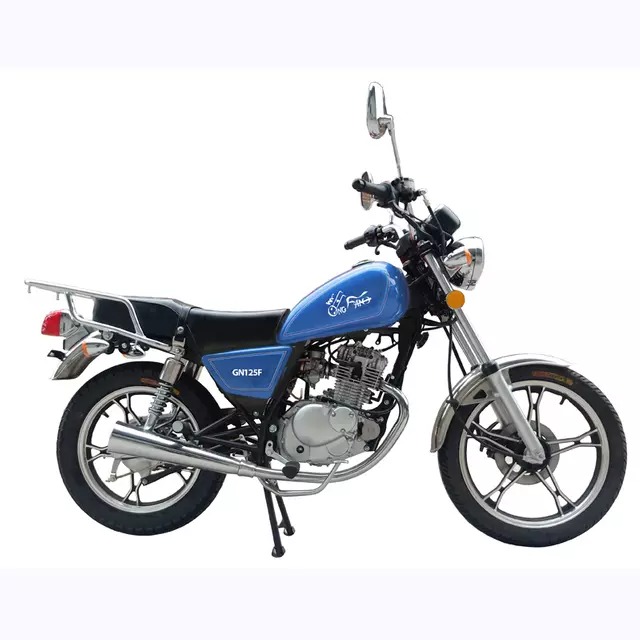
When comparing electric motorcycles and Gasoline Motorcycles, the way they deliver power creates a very different riding feel. One focuses on immediate response, while the other builds strength over time. This difference becomes clear the moment you start riding, especially in traffic or on open roads.
Aspect |
Electric Motorcycles |
Gasoline Motorcycles |
Power Delivery |
Full torque available instantly from zero |
Power builds gradually as RPM increases |
Acceleration Feel |
Immediate, smooth, and linear |
Progressive, dynamic, and engaging |
Throttle Response |
No delay, direct response |
Requires engine buildup before peak output |
City Riding |
Feels quicker in stop-and-go traffic |
Less immediate but still responsive |
Highway Performance |
Strong initial acceleration |
Sustained power at higher speeds |
Riding Experience |
Simple and effortless |
More mechanical and interactive |
Electric motorcycles offer a clean, uninterrupted ride. There is minimal vibration, and power delivery feels consistent across the entire speed range. This makes them easy to control, especially for new riders or daily commuters.
Gasoline Motorcycles provide a more mechanical experience. You feel the engine working beneath you. The throttle response, engine vibration, and gear transitions create a layered riding sensation. Many riders describe this as more “alive” or connected to the machine.
One of the biggest usability differences is how you control the bike. Electric motorcycles typically use a single-speed transmission. There is no clutch or gear shifting. You just twist the throttle and go.
Gasoline Motorcycles require coordination between throttle, clutch, and gears. This adds complexity, but also control. Riders can fine-tune speed and power depending on road conditions. For experienced riders, this interaction becomes part of the enjoyment.
Electric motorcycles are quiet. You hear wind, tires, and surroundings more than the bike itself. This creates a calm riding experience, especially in urban areas. Gasoline Motorcycles deliver sound and character. The engine note, exhaust tone, and vibration contribute to a strong emotional connection. For many riders, this sensory feedback defines motorcycling.
Electric motorcycles are simple when it comes to maintenance. There are fewer moving parts. You do not deal with oil changes, spark plugs, or fuel systems. Most upkeep focuses on tires, brakes, and basic inspections.
This simplicity saves time and reduces long-term effort. It also means fewer unexpected mechanical issues. For riders who want reliability and minimal downtime, electric bikes offer clear advantages.
Gasoline Motorcycles require more routine care. Oil changes, filters, and engine servicing are part of ownership. These tasks maintain performance and extend engine life.
Manufacturers like Hongfan have refined these systems over years. Their production experience ensures stable and reliable designs. Service processes are well established across many regions.
● Regular oil service keeps engines efficient
● Air filters and spark plugs need periodic checks
● Maintenance routines are widely understood
Note: Established service networks make Gasoline Motorcycles easier to support globally.
Refueling a gasoline motorcycle takes only a few minutes. Fuel stations are available almost everywhere, even in remote areas. This makes long-distance riding easy and flexible without much preparation. You can plan less and ride more. For touring or spontaneous trips, this convenience is hard to beat, especially when time matters.
Electric motorcycles change how you think about energy use. Instead of visiting a station, you often charge at home overnight. This creates a simple daily routine for many riders.
Fast-charging stations are growing, especially in cities and urban areas. They can reduce charging time significantly, though they are still less widespread than fuel stations.
Electric motorcycles require more awareness of battery range. Riders often plan routes based on available charging points and travel distance. Charging becomes part of the journey itself. Gasoline Motorcycles allow more freedom and flexibility. You can ride longer distances without interruption, which supports exploration and unplanned travel.
Feature |
Electric Motorcycles |
Gasoline Motorcycles |
Energy Refill Time |
Longer charging time |
Quick refueling |
Infrastructure |
Growing networks |
Widely available |
Travel Flexibility |
Planned routes |
Flexible riding |
These differences influence how riders plan trips and manage time. Choosing the right option depends on whether you value routine convenience or travel flexibility.
Cost plays a major role when choosing between electric motorcycles and Gasoline Motorcycles. The difference is not only about what you pay at the start, but also how expenses evolve over time. Understanding both upfront pricing and long-term value helps riders make smarter decisions.
Cost Factor |
Electric Motorcycles |
Gasoline Motorcycles |
Initial Purchase Price |
Higher due to battery technology |
Wider range, including affordable entry models |
Technology Cost |
Advanced battery and newer systems |
Mature engine and production systems |
Running Costs |
Lower energy and maintenance expenses |
Higher fuel and regular maintenance costs |
Accessibility |
Higher entry barrier for some buyers |
More accessible for first-time riders |
Long-Term Value |
Savings build over time |
Stable but ongoing operating expenses |
While electric motorcycles may cost more upfront, they can reduce expenses over time. Gasoline Motorcycles offer easier entry pricing, which appeals to many new riders.
Tip: Always compare total ownership cost over several years, not just the initial purchase price.
Electric motorcycles perform best in urban environments where traffic is frequent. They are quiet, smooth, and very easy to operate. Stop-and-go traffic feels less stressful because of instant torque and simple controls.
Charging at home removes the need for regular fuel stops. Over time, this routine becomes convenient and predictable. For daily commuting, this advantage saves both time and effort.
Gasoline Motorcycles are ideal for long trips and extended journeys. Their extended range allows riders to travel farther without interruption. Quick refueling makes it easy to continue riding without long breaks.
They also perform well on highways and varied terrain. Riders who enjoy touring, weekend trips, or cross-country travel often prefer this flexibility and consistency.
Choosing between electric and gasoline depends on personal lifestyle. Daily commuters often value simplicity, quiet operation, and low effort. Adventure riders may prioritize range, speed, and flexibility for longer trips. Companies like Hongfan demonstrate this balance in the market. By offering both electric and gasoline models, they show how each technology serves different rider needs rather than competing directly.
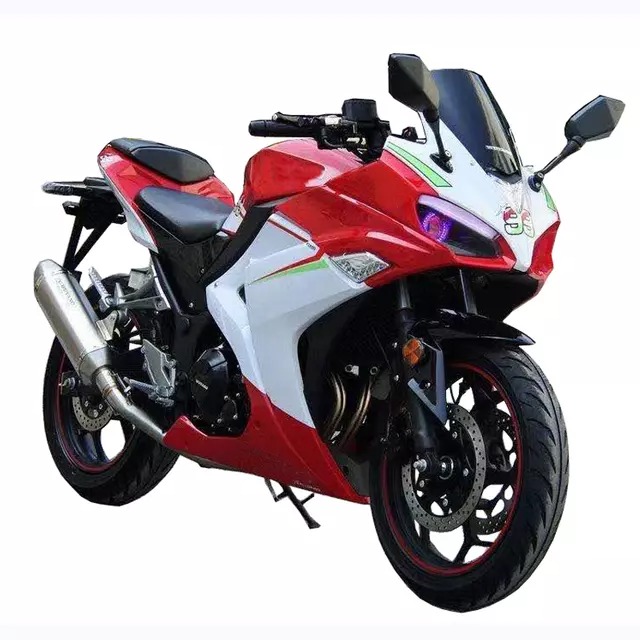
Electric motorcycles produce zero tailpipe emissions. This makes them suitable for cities focused on cleaner air and reduced noise pollution.
Their quiet operation also improves the riding experience in crowded areas. It creates a more relaxed and less intrusive presence on the road.
Gasoline Motorcycles remain widely used across the world. Infrastructure supports them everywhere. Fuel stations and service centers are easy to access. They continue to evolve through engineering improvements. Many riders still value their performance and familiar feel. They remain a strong part of motorcycle culture.
Aspect |
Electric Motorcycles |
Gasoline Motorcycles |
Emissions |
Zero tailpipe |
Engine-based emissions |
Noise Level |
Very low |
Noticeable engine sound |
Cultural Presence |
Growing |
Long-established |
These differences highlight how each technology fits different priorities. Gasoline Motorcycles continue to offer familiarity and strong cultural identity for many riders.
Electric motorcycles and Gasoline Motorcycles create two very different riding experiences. They differ in how they deliver power, how riders maintain them, and how energy is refilled. Electric bikes feel smooth and simple, while Gasoline Motorcycles offer a more dynamic and engaging ride. Each type fits different daily needs and riding styles.
Electric motorcycles work well for city travel and easy routines. They require less maintenance and offer quiet operation. Gasoline Motorcycles remain strong for long-distance riding and quick refueling. They give riders flexibility and a familiar feel on the road. Companies like Wuxi Hongfan Group. support both technologies, offering reliable products and balanced solutions that meet modern rider demands while delivering practical value.
A: The biggest difference is how they deliver power and fit daily use. Electric bikes give instant, smooth torque, while Gasoline Motorcycles build power through RPM and feel more mechanical.
A: Yes. Electric bikes usually need less routine service because they have fewer moving parts. Gasoline Motorcycles need regular oil changes, filter checks, and more engine-related care.
A: Many riders enjoy the sound, vibration, and gear-shifting feel. Gasoline Motorcycles also offer fast refueling and strong long-distance flexibility.
A: Electric bikes often charge at home or public stations, which works well for daily commuting. Gasoline Motorcycles refuel in minutes, which makes longer trips easier.
A: Electric motorcycles are often better for city riding because they are quiet, simple to use, and easy to manage in traffic. They also fit short daily trips well.
A: In many cases, yes. Gasoline Motorcycles often come in a wider price range, especially at entry level, while electric bikes may cost more upfront because of battery technology.


