
Views: 0 Author: Site Editor Publish Time: 2025-10-16 Origin: Site


The global popularity of electric bikes (or e-bikes) has soared in recent years, driven by advances in battery technology, eco-friendly transportation trends, and growing urban mobility needs. Whether for daily commuting, fitness, or off-road exploration, electric bikes have become a versatile and sustainable alternative to traditional bicycles and even cars.
However, not all electric bikes are the same. They come in different types, each designed for specific riding purposes, terrains, and user preferences. Understanding these categories can help riders choose the model that best suits their needs and lifestyle.
This article explores the main types of electric bikes, their unique features, and how to select the right one for your riding goals.
City or commuter electric bikes are specifically designed for urban environments, providing a convenient, eco-friendly, and efficient way to navigate busy streets. They are perfect for commuting to work, running errands, or simply moving around town without relying on cars or public transportation. Combining practicality with comfort, these bikes make everyday riding a pleasurable experience rather than a chore.
Frame Design: Typically upright and ergonomic, allowing riders to maintain good posture and better visibility in traffic, which enhances both safety and comfort.
Motor Type: Equipped with mid-drive or rear hub motors to provide smooth, balanced power output that helps tackle hills or headwinds effortlessly.
Battery Range: Usually between 40 to 100 km per charge, sufficient for daily commuting and short trips, with options for higher-capacity batteries for extended distances.
Accessories: Often comes with fenders, rear racks, integrated lights, and sometimes GPS tracking or anti-theft systems for added convenience and security.
These e-bikes are low-maintenance, easy to operate, and offer a comfortable ride even in stop-and-go city traffic, making them a smart choice for daily commuting.
Office workers, students, and urban commuters seeking a cost-effective, environmentally friendly, and practical mode of transportation.
Folding electric bikes are compact, portable, and designed for riders who value convenience. They’re ideal for people who combine cycling with public transportation or have limited storage space at home or in the office.
Foldable Frame: Quick-fold mechanisms allow for easy storage in car trunks or under desks.
Weight: Lightweight, often made with aluminum or carbon fiber frames.
Battery and Range: Typically smaller batteries (30–60 km range) to reduce weight.
Easy to transport and store.
Perfect for multimodal commuters (bus + bike, train + bike).
Can be taken indoors, reducing theft risk.
Urban dwellers, apartment residents, and travelers who need a flexible, portable mobility solution.
For adventure enthusiasts, electric mountain bikes (E-MTBs) are built for rugged terrains, steep climbs, and outdoor exploration. They provide the power needed to conquer trails that would otherwise be exhausting on a traditional mountain bike.
Powerful Motor: Mid-drive systems deliver high torque for uphill trails.
Suspension: Front (hardtail) or full-suspension systems for shock absorption.
Battery Capacity: Larger batteries (up to 800 Wh or more) for extended trail rides.
Tires: Wide, knobby tires for superior traction on dirt and gravel.
Enhances endurance on tough terrains.
Allows riders to explore longer trails with less fatigue.
Excellent for both beginners and seasoned mountain bikers.
Outdoor adventurers and riders who love exploring forests, hills, and mountain paths.
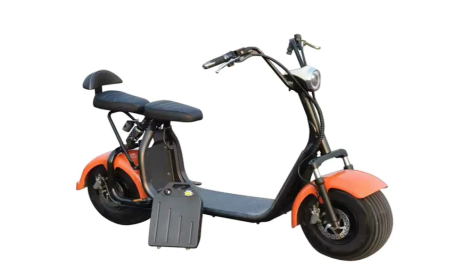
Cargo electric bikes are built for carrying heavy loads—whether it’s groceries, tools, deliveries, or even children. They’re an eco-friendly alternative to small vehicles and are increasingly popular among delivery workers and families.
Extended Frame: Equipped with larger rear racks or cargo boxes.
High-Torque Motor: Provides sufficient power to handle additional weight.
Reinforced Components: Stronger brakes, tires, and frames for safety and stability.
Battery Capacity: Often dual-battery systems for longer range under load.
Can replace a small car or scooter for short-distance logistics.
Cost-effective and environmentally friendly for urban deliveries.
Stable and secure even when fully loaded.
Delivery services, small business owners, and families needing a reliable transport alternative.
Fat-tire electric bikes are designed for versatility and performance on multiple terrains—sand, snow, gravel, and mud. Their oversized tires provide excellent stability and shock absorption, making them a favorite for outdoor explorers.
Tire Size: Typically 4 inches or wider, offering better grip and cushioning.
Motor Power: Usually equipped with 750W or higher motors for challenging surfaces.
Battery Life: Moderate to high capacity, depending on terrain use.
Frame: Sturdy and built for rough conditions.
Handles diverse terrains with ease.
Offers a smooth, stable ride even on uneven ground.
Suitable for both urban and off-road conditions.
Adventure riders, beachgoers, and anyone who loves versatile, all-terrain cycling.
Cruiser electric bikes focus on comfort and style, making them ideal for leisurely rides along the beach, parks, or neighborhoods. Their relaxed geometry and wide handlebars encourage a laid-back riding posture.
Design: Low-step frames and vintage-inspired styling.
Comfort: Padded saddles, wide tires, and smooth suspension.
Motor & Speed: Typically moderate motor power (250–500W) for casual cruising.
Extremely comfortable for long, slow rides.
Aesthetic appeal and stylish designs.
Minimal physical strain, making them great for senior riders.
Recreational riders and those who value comfort and aesthetics over speed or power.
Road electric bikes are designed for speed and efficiency on paved roads. They combine the aerodynamics of a traditional road bike with electric assistance, making them perfect for fitness enthusiasts and long-distance commuters.
Lightweight Frame: Carbon or aluminum for performance efficiency.
Motor Type: Compact mid-drive or hub motor that provides smooth power delivery.
Battery: Slim design integrated into the frame for better aerodynamics.
Speed: Some models reach up to 45 km/h, depending on local regulations.
Boosts speed and endurance for long-distance rides.
Ideal for competitive or fitness-oriented cyclists.
Smooth and responsive handling.
Cyclists who prioritize performance, speed, and endurance training.
Hybrid electric bikes combine features of road and mountain bikes, offering the best of both worlds. They’re suitable for riders who use their bikes both for commuting and light trail riding.
Frame: Balanced geometry between comfort and performance.
Motor & Battery: Mid-range power for versatile usage.
Tires: Medium width—smooth enough for roads, grippy enough for trails.
Extremely versatile and adaptable.
Great for riders who want one bike for multiple purposes.
Comfortable riding posture for both short and long trips.
Casual riders, commuters, and weekend explorers.
Step-through electric bikes, also known as low-step or easy-entry bikes, are designed for accessibility. They’re especially popular among older riders or those with limited mobility who prefer ease of mounting and dismounting.
Frame: Lacks a top tube, allowing the rider to “step through” easily.
Comfort: Ergonomic seat and upright handlebar positioning.
Power: Usually equipped with a medium-power motor suitable for city use.
Easy to get on and off, regardless of clothing or flexibility.
Excellent stability and comfort.
Ideal for short-distance commuting or recreational rides.
Senior riders, beginners, or anyone prioritizing ease and comfort over speed.
Not technically a separate bike type, electric bike conversion kits allow riders to transform a standard bicycle into an e-bike. These kits include a motor, battery, and controller.
Flexibility: Can be installed on most standard bicycles.
Cost: More affordable than purchasing a new electric bike.
Customization: Riders can choose motor power and battery capacity based on personal needs.
Economical entry point into e-biking.
Environmentally friendly—repurpose existing bikes.
Great for DIY enthusiasts.
Cyclists who want to upgrade their existing bikes or experiment with electric mobility.
Selecting the perfect electric bike depends on your riding purpose, distance, terrain, and comfort preferences. Here are a few quick tips:
For daily commuting: Choose a city or folding electric bike.
For adventure and off-road: Go with a mountain or fat-tire e-bike.
For family and cargo use: A cargo e-bike offers practicality and power.
For leisure or scenic rides: Consider cruiser or step-through models.
For performance cycling: Road or hybrid e-bikes provide the best balance of speed and control.
Always pay attention to battery capacity, motor wattage, weight, and local regulations regarding e-bike classification and speed limits.
Electric bikes have revolutionized modern transportation by offering eco-friendly, efficient, and enjoyable alternatives to conventional commuting and recreation. From agile folding e-bikes to powerful mountain models, each type serves a unique purpose and rider preference.
Whether you’re an urban commuter, adventure seeker, or leisure cyclist, there’s an electric bike tailored to your needs.
If you’re interested in exploring high-quality electric bike solutions, components, or customization options, visit www.hofanmotor.com.
specializes in advanced electric mobility systems and provides a range of electric motor solutions designed to power the next generation of sustainable transportation.


