
Views: 0 Author: Site Editor Publish Time: 2026-06-03 Origin: Site


Choosing the best electric motorcycle sounds simple until range, speed, battery type, charging access, and daily use all come into play. A rider commuting through city traffic may need a very different model from someone carrying cargo, riding longer routes, or comparing options for resale.
Electric Motorcycles are no longer judged only by top speed. The better question is which model fits your route, budget, charging habits, load needs, and local road conditions. A practical comparison can help you avoid overpaying for power you do not need or choosing a bike that falls short in real use.
For riders comparing compact Electric Motorcycles, EM-GP1 is the easiest HOFAN model to understand. It is built around practical speed, manageable weight, and removable battery convenience rather than maximum range alone. A 2000W/3000W motor option gives it enough power for urban roads and short-to-medium trips. The 72V30Ah removable lithium battery also makes charging easier for users who cannot park near an outdoor socket.
EM-GP1 lists a max speed of 80–100 km/h, an 80 km range, and a 76 kg net weight without the battery. These figures make it suitable for riders who value handling and storage flexibility. A lighter body can help newer users feel more confident when parking, pushing, or moving at low speed. Among HOFAN Electric Motorcycles, this model fits buyers who need simple daily use without stepping into a heavier high-capacity segment.
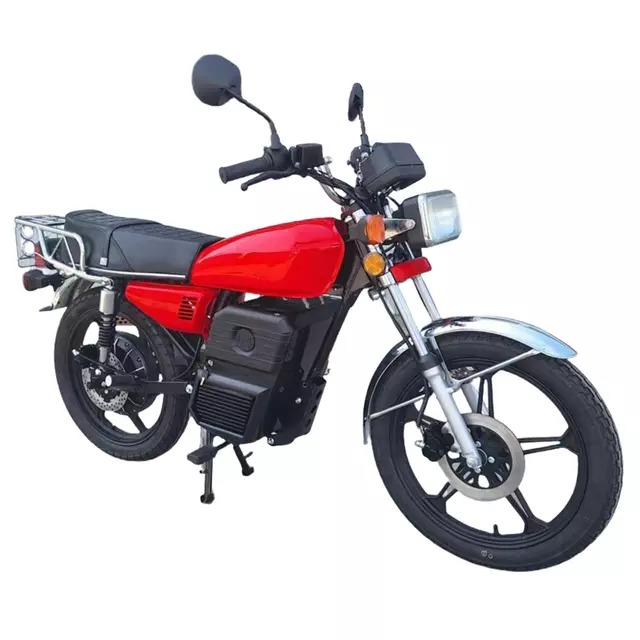
For practical city commuting, EM-TVS and EM-CG2 are stronger fits because they focus on stable daily use rather than aggressive performance. Among city-focused Electric Motorcycles, both models use a 2000W motor and reach 80 km/h max speed, which is enough for many urban and suburban routes. Their battery options also make them useful for different price and range expectations. Each model offers a 72V32Ah lead-acid battery with an optional 72V50Ah lithium configuration.
The range difference is small but worth noting. EM-TVS lists 85/150 km, while EM-CG2 lists 80/150 km depending on configuration. For riders who want dependable commuting, these Electric Motorcycles balance speed, cost, and practical range. They also suit dealers who need accessible models for customers moving from scooters or fuel motorcycles into electric mobility.
EM-MEY and EM-JUF are better choices when the buyer needs more power, stronger road presence, and longer riding distance. Both models offer 3000W/5000W motor options, 72V60Ah/75Ah/100Ah lithium battery configurations, 90–120 km/h max speed, and 100–180 km max range. Disc/disc brakes also match the higher-performance direction of these models. This specification level makes them more suitable for riders or markets where basic commuter performance is not enough.
Stronger Electric Motorcycles are not only about top speed. Extra motor output can help during faster acceleration, hill climbing, two-person riding, or routes that include wider roads. Larger lithium batteries can also reduce range anxiety for users who need more distance between charges. For importers and distributors, EM-MEY and EM-JUF can cover the higher-end part of the Electric Motorcycles category without relying on one low-power commuter model.
Motor power should be judged by use case, not by the largest number available. A 2000W motor can be enough for riders who mainly travel through city traffic, stop at frequent intersections, and do not need high sustained speed. A 3000W configuration gives more acceleration reserve and can feel more confident on wider urban roads. A 5000W setup is more suitable when the rider expects stronger performance, heavier use, or higher-speed riding conditions.
Buying too much power can increase cost without improving the real experience. A city rider who travels a short daily route may not benefit from a high-speed model if traffic rarely allows faster riding. On the other hand, a rider who carries a passenger, climbs hills, or travels longer suburban routes may find a basic 2000W model limiting. The best Electric Motorcycles match motor output to the real road environment, not to a headline number alone.
Battery configuration has a direct effect on range, weight, charging behavior, and long-term usability. Lead-acid batteries usually help control purchase cost, but they tend to be heavier and less convenient for riders who want better energy density. Lithium battery options are often preferred when range, weight, and charging practicality matter more. The better choice depends on buyer budget, expected mileage, and local service capability.
HOFAN’s lineup shows why this comparison matters. EM-TVS and EM-CG2 offer lead-acid batteries with optional lithium configurations, which gives buyers flexibility. EM-GP1 uses a removable lithium battery, making it more practical for indoor charging. EM-MEY and EM-JUF move into larger lithium battery capacities for longer range and stronger riding needs. Instead of looking only at the largest advertised range, buyers of Electric Motorcycles should ask whether that range fits their route, charging routine, and load conditions.
Good Electric Motorcycles are more than a motor and battery pack. Braking system, tire size, vehicle weight, seat layout, frame design, and load capacity all affect safety and stability. EM-GP1 uses a disc/drum brake setup, while EM-TVS, EM-CG2, EM-MEY, and EM-JUF list disc/disc brake configurations. That distinction becomes more important as speed, rider weight, and traffic density increase.
Delivery riders and two-person users should pay close attention to load demand. A model that feels quick with one rider may behave differently when carrying cargo, food boxes, or a passenger. Larger tires and stronger brakes can improve control, especially on wet roads or uneven pavement. For higher-speed Electric Motorcycles, stability and stopping power are not secondary details; they are part of the real performance package.
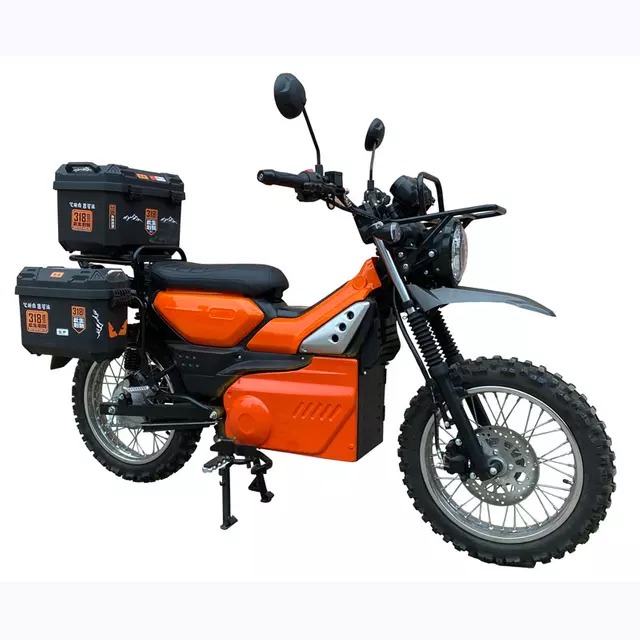
The table below is not meant to crown one universal winner. It helps buyers compare HOFAN Electric Motorcycles by actual riding purpose, motor power, battery configuration, speed, range, and practical fit.
Model | Motor | Battery | Max Speed | Range | Best For |
EM-GP1 | 2000W/3000W | 72V30Ah removable lithium | 80–100 km/h | 80 km | Lightweight riding and removable battery use |
EM-TVS | 2000W | 72V32Ah lead-acid / optional 72V50Ah lithium | 80 km/h | 85/150 km | Practical city commuting |
EM-CG2 | 2000W | 72V32Ah lead-acid / optional 72V50Ah lithium | 80 km/h | 80/150 km | Urban mobility and volume distribution |
EM-MEY | 3000W/5000W | 72V60Ah/75Ah/100Ah lithium | 90–120 km/h | 100–180 km | Longer range and stronger performance |
EM-JUF | 3000W/5000W | 72V60Ah/75Ah/100Ah lithium | 90–120 km/h | 100–180 km | Higher-speed and higher-capacity riding |
The simplest reading is clear. Choose EM-GP1 if removable battery charging and lighter handling matter most. Choose EM-TVS or EM-CG2 if daily commuting, stable range, and accessible operating cost are the priority. Choose EM-MEY or EM-JUF if stronger power, larger lithium battery capacity, and higher top speed are required.
For B2B buyers, the comparison should go one step further. Container loading quantity affects landed cost, retail pricing, and distributor margin. A model with slightly lower specifications may be more profitable if it fits local demand, ships efficiently, and requires less after-sales support. The best choice for a dealer is often the model that matches the target customer segment, not the model with the highest number on the spec sheet.
Individual riders should start with daily mileage, charging location, comfort, handling, speed requirement, and battery preference. A short-distance commuter does not need to overbuy motor power or battery capacity if the daily route is predictable. Choosing a lighter model can make parking and low-speed movement easier, while a removable battery can solve charging problems for apartment users. A larger battery makes sense only when the rider regularly needs extra distance.
A practical rule is to choose the smallest model that safely meets daily needs, then upgrade only when range or speed requirements justify it. This approach reduces unnecessary cost and helps avoid a motorcycle that feels heavier or more powerful than needed. Riders should also think about whether they usually ride alone, carry another person, or travel through hilly areas. Those details often matter more than a single headline range figure.
Delivery and service riders usually care about uptime more than extreme speed. Stable range, low operating cost, dependable braking, and practical load capacity are the key priorities. A balanced commuter model can be more useful than a high-speed model when work happens in dense city traffic. Repeated stopping, short trips, and predictable routes make Electric Motorcycles especially attractive for service use.
Battery planning is also different for delivery work. A rider may need enough range for several work shifts, or a business may need charging routines between delivery windows. Tire wear, brake performance, and replacement parts become part of the real cost calculation. For this buyer group, HOFAN’s positioning around urban commuting and delivery services is directly relevant.
Importers, dealers, and fleet buyers should evaluate Electric Motorcycles as commercial products, not only as riding machines. Certification support matters because market access can depend on EEC/CE requirements and local registration rules. Production consistency affects warranty risk, while spare parts and after-sales communication influence customer satisfaction. Battery options also help distributors serve different price levels in the same market.
A strong product range gives dealers more flexibility. Entry-level or mid-range models can serve commuter buyers, while higher-power lithium models can target users who want stronger performance. Container loading quantity should also be reviewed because it changes landed cost and inventory planning. Customization ability can help distributors adapt colors, branding, battery choices, or configurations for local demand. Supplier reliability is part of the real value of HOFAN Electric Motorcycles, especially for buyers building a long-term sales channel.
Top speed is attractive because it is easy to compare, but it rarely tells the whole story. A 120 km/h option among Electric Motorcycles may be unnecessary for riders who mainly commute through slow traffic. Higher speed also increases the importance of braking, tire quality, frame stability, and battery performance. Buyers should compare speed together with road conditions, rider load, range, and local legal limits.
The same model can produce different range expectations depending on battery type and capacity. Lead-acid and lithium configurations should not be treated as equal just because the motorcycle body looks similar. Buyers should check whether the listed range belongs to the standard battery or the optional battery. Removable battery design is also worth considering for riders who cannot charge near a parking space.
For B2B buyers, supplier reliability can decide whether a model succeeds after the first shipment. Certifications, stable production, spare parts availability, packing quality, and communication speed all affect the real purchase outcome. A product with good specifications may still cause problems if after-sales support is weak. The best Electric Motorcycles are not only well specified; they can also be supplied, supported, serviced, and sold in the target market.
The best electric motorcycle is the one that fits real riding needs, not just the highest speed or largest battery. By comparing motor power, battery type, range, braking, load demand, and charging habits, buyers can choose a model that works reliably for commuting, delivery, or longer-distance use.
Wuxi Hongfan Group offers Electric Motorcycles with different power and battery configurations, helping riders, dealers, and fleet buyers match product specifications to practical use. This makes selection clearer, reduces unnecessary cost, and supports more efficient daily mobility.
A: Compare motor power, usable range, battery type, charging access, brake setup, load capacity, and local road rules. The best option should match daily riding needs, not only top speed.
A: Range depends on battery capacity, rider weight, speed, road conditions, and riding style. City riding often delivers better range than continuous high-speed riding.
A: Some models can be used on highways if they meet local speed, safety, registration, and licensing requirements. Lower-speed models may be limited to urban or local roads.
A: Battery life varies by chemistry, charging habits, temperature, and riding intensity. With proper care, many electric motorcycle batteries can serve for several years before noticeable capacity loss.
A: Usually, yes. Electric models have fewer moving parts, no oil changes, and less routine engine maintenance, though battery replacement and electrical components should still be considered.
A: Lithium batteries are generally lighter, more energy-dense, and more convenient for longer range. Lead-acid options may reduce upfront cost but usually add weight and lower efficiency.


