
Views: 0 Author: Site Editor Publish Time: 2026-03-11 Origin: Site


Have you ever wondered why some off-road riders choose an ATV, while others prefer a UTV? At first glance, they seem almost the same. Both use four wheels, strong tires, and powerful engines built for dirt, mud, and rough terrain.
However, these two machines serve very different purposes. An ATV focuses on agility, quick trail access, and solo adventure. A UTV, on the other hand, emphasizes passenger capacity, comfort, and heavy-duty outdoor work. Understanding the difference helps riders and buyers make smarter decisions. In this article, we will explore how ATVs and UTVs differ in design, riding experience, terrain performance, and real-world use. By the end, you will know which vehicle fits your needs best.
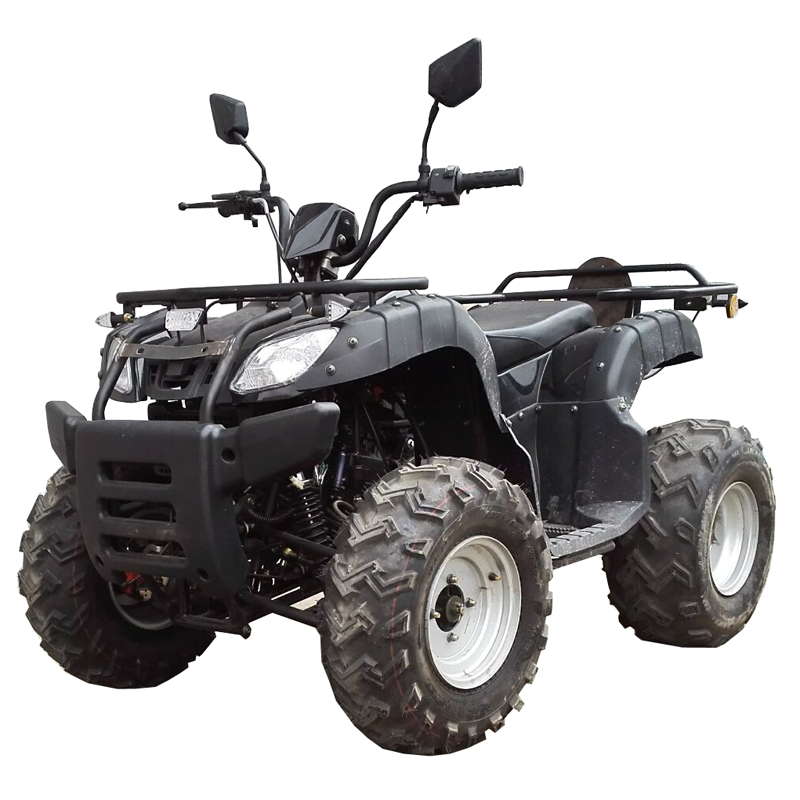
When comparing off-road vehicles, several key factors separate an ATV from a UTV. These differences affect how the vehicle feels to drive, what terrain it handles best, and how many people it can carry.
The design is the first noticeable difference.
● ATV: A compact four-wheel vehicle often called a quad or four-wheeler. The rider sits on a saddle seat and steers using handlebars, similar to a motorcycle.
● UTV: A larger side-by-side vehicle with a car-style steering wheel, pedals, and seats placed next to each other.
Because of this structure, ATVs prioritize maneuverability and active riding, while UTVs focus on comfort and stability.
Seating capacity plays a major role in choosing the right vehicle.
Feature |
ATV |
UTV |
Seating |
Usually 1 rider |
2–6 passengers |
Riding position |
Straddle seat |
Side-by-side seats |
Passenger comfort |
Limited |
Designed for groups |
ATVs provide a personal riding experience. UTVs, on the other hand, allow families, teams, or friends to travel together.
Control systems also differ significantly.
● ATV: Uses handlebars and body weight to steer and balance.
● UTV: Uses a steering wheel, accelerator pedal, and brake pedal like a car.
This difference changes how riders interact with the machine. ATV riders actively lean into turns, while UTV drivers operate the vehicle in a more relaxed seated position.
ATVs are smaller and lighter, making them highly agile.
They easily move through:
● Narrow forest trails
● Tight mountain paths
● Dense brush or wooded areas
UTVs have a wider stance and heavier frame. This size improves stability but limits access to narrow trails.
Utility features also separate the two vehicles.
● ATV: Usually equipped with front and rear racks for smaller loads.
● UTV: Often includes a dump cargo bed, allowing it to carry tools, firewood, or equipment.
For farm work, construction sites, or hunting trips, UTV cargo capacity offers clear advantages.
Note: When evaluating vehicles for outdoor work, always consider payload and towing capacity rather than engine size alone. Those numbers reveal how well the machine handles real tasks.
An ATV is a four-wheel off-road vehicle designed for agility, control, and single-rider adventure. It combines elements of motorcycles and small utility machines.
The rider sits on a saddle seat and grips handlebars to steer the vehicle. This position allows quick control and shifting body weight during turns.
Unlike enclosed vehicles, ATVs expose the rider directly to the environment. Riders often lean forward, backward, or sideways to maintain balance on uneven terrain.
One of the biggest advantages of an ATV is its compact footprint.
Because of its smaller size, it can access places larger vehicles cannot reach, including:
● Tight forest trails
● Mountain switchbacks
● Narrow hunting paths
● Remote trail systems
Many national trail networks even limit access to vehicles under a specific width, which favors ATVs.
ATVs are widely used for recreation and outdoor adventure. Riders enjoy the freedom they provide across different landscapes, from sand dunes to forest trails. Their compact size and agile handling make them ideal for many outdoor activities.
Recreational Activity |
How ATVs Are Used |
Typical Environment |
Trail Riding |
Riding along off-road paths |
Forest and mountain trails |
Outdoor Exploration |
Reaching remote natural areas |
Countryside and wilderness |
Racing and Sport Riding |
Participating in sport riding events |
Dirt tracks and sand dunes |
Camping Trips |
Carrying camping gear to sites |
Backcountry campsites |
Hunting Access |
Traveling to hunting locations |
Forests and farmland |
Manufacturers such as HOFAN produce ATVs designed for both sport and utility use. Modern models feature reinforced frames, durable suspension systems, and engines designed to perform reliably across rugged terrain.
A UTV, often called a side-by-side, is built more like a compact off-road truck. Instead of straddling the seat, drivers sit in a cabin-like structure with passengers beside them.
UTVs feature two or more seats arranged side by side. Many models also include safety features such as:
● Seat belts
● Roll cages
● Doors or half doors
● Windshields
These additions create a more secure riding environment, especially for longer trips.
UTVs are widely used in industries and outdoor work environments.
Typical applications include:
● Farm and ranch maintenance
● Construction sites
● Property management
● Forestry operations
● Hunting expeditions
Their cargo beds and towing capacity allow them to carry heavy equipment or supplies.
Comfort plays a major role in UTV design. Suspension systems absorb bumps and reduce vibration. Wider seats support longer travel distances. Many models also feature storage compartments for gear.
The table below summarizes common passenger configurations.
UTV Model Type |
Typical Seating |
Compact UTV |
2 passengers |
Mid-size UTV |
2–4 passengers |
Crew UTV |
4–6 passengers |
Because of this flexibility, outdoor tours, hunting trips, or property inspections often rely on UTV transportation.
Riding an ATV is active and engaging.
The rider becomes part of the machine’s movement. During turns or climbs, they shift body weight to maintain balance. This interaction creates a strong sense of control and excitement.
ATVs deliver a thrilling experience for riders who enjoy speed, quick reactions, and direct connection to the terrain.
UTVs feel closer to driving a small off-road truck.
The driver remains seated comfortably behind a steering wheel while the vehicle absorbs bumps and uneven ground through its suspension system.
Passengers can relax while enjoying the ride, which makes UTVs a popular option for families and group adventures.
Tip: If riders want an adrenaline-focused experience and tighter trail access, an ATV often feels more exciting. If comfort and shared travel matter more, a UTV usually fits better.
ATVs excel in tight environments where maneuverability matters most.
Their narrow width allows them to navigate areas such as:
● wooded trail networks
● mountain paths
● dense brush trails
● narrow dirt routes
The lighter weight also improves responsiveness when navigating sharp turns.
UTVs perform exceptionally well on rough and uneven landscapes.
Their wider wheelbase increases stability, which helps when crossing:
● rocky ground
● steep inclines
● deep mud
● uneven terrain
A stronger suspension system also absorbs shocks, allowing passengers to remain comfortable during difficult climbs or descents.
ATVs are built for individual riders and independent travel. If someone plans to explore trails alone or prefers a more hands-on riding experience, an ATV provides strong control and agility. Riders can react quickly to turns, hills, or uneven ground. This design creates a more engaging off-road experience, especially for people who enjoy adventure riding and personal exploration across forests, dirt paths, or open terrain.
Transporting an ATV is simple.
Most models fit inside:
● pickup truck beds
● small utility trailers
● standard garage spaces
Because of their smaller dimensions, ATVs also require less storage space than larger off-road vehicles. This makes them practical for riders who need flexible transport and easy storage between trips.
Many outdoor workers prefer ATVs for quick field jobs. For example, farmers often use them to inspect fences, check livestock, or move across large properties quickly.
For distributors and equipment buyers, companies such as HOFAN supply ATV models built under certified manufacturing systems and offer customizable configurations for different markets.
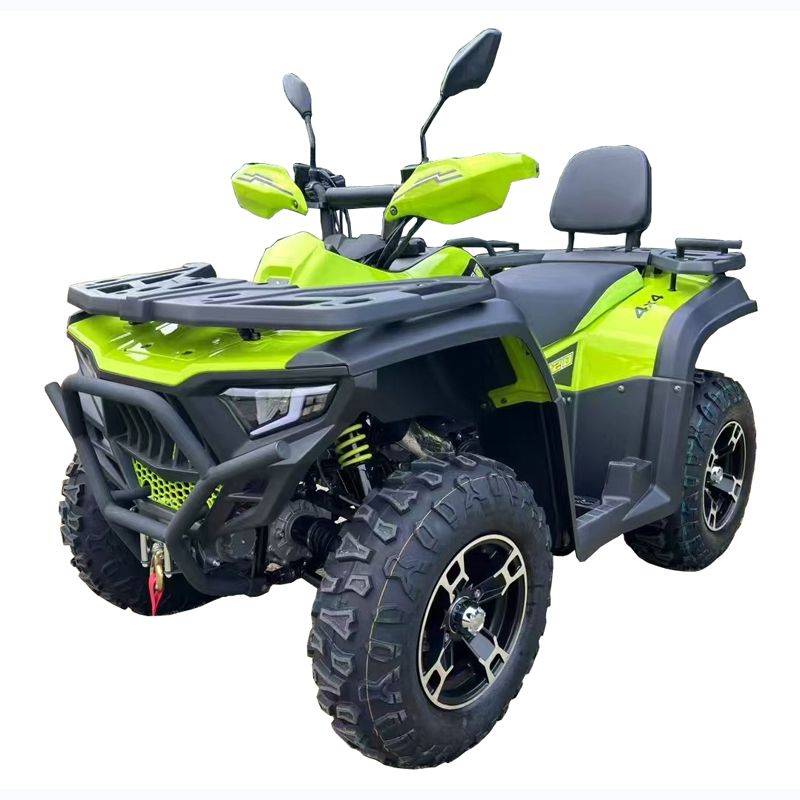
UTVs allow several passengers to travel together safely. This makes them ideal for:
● family trail rides
● guided outdoor tours
● work crews
Because passengers sit side by side, communication becomes easier during travel. The shared ride experience also improves safety on remote trips, since riders remain together and can assist each other when needed.
UTVs provide far more storage capacity.
Their cargo beds can transport:
● tools
● camping supplies
● hunting equipment
● construction materials
Many models also support towing trailers or additional gear. For jobs that involve heavy equipment or multiple supplies, the larger hauling capacity becomes especially valuable.
UTVs deliver a smoother ride during long-distance travel. Their wider stance, supportive seating, and strong suspension systems reduce fatigue on rough terrain. Features like roof panels and protective frames also improve comfort, making them suitable for extended outdoor journeys across farms, forests, or large properties.
Choosing between an ATV and a UTV depends largely on how the vehicle will be used. An ATV focuses on agility, compact size, and an exciting solo riding experience. It performs well on narrow trails, quick outdoor inspections, and recreational exploration. Riders often prefer it for its responsive handling and easy transport. In contrast, a UTV offers greater stability, larger seating capacity, and stronger hauling ability. It suits group travel, property management, and longer off-road journeys across rough terrain.
Feature |
ATV |
UTV |
Seating |
Usually 1 rider |
2–6 passengers |
Controls |
Handlebars |
Steering wheel |
Size |
Compact |
Larger |
Best for |
Trail riding and agility |
Work and group travel |
Cargo |
Small racks |
Large cargo bed |
Both machines serve important roles in off-road environments. Companies like Wuxi Hongfan Group. develop reliable ATV products built for durability, strong performance, and versatile outdoor use. Their vehicles help riders and distributors gain dependable solutions for recreation, work, and demanding terrain.
A: The main difference lies in design and purpose. An ATV is a single-rider vehicle with handlebars and a straddle seat, built for agility and narrow trails. A UTV uses side-by-side seating, a steering wheel, and often carries several passengers. UTVs usually support heavier work and cargo.
A: An ATV is often used for trail riding, farm inspections, hunting access, and recreational exploration. Its compact size helps riders navigate narrow forest paths or rough terrain. Many riders also use it for quick outdoor tasks where maneuverability matters.
A: A UTV usually feels easier for beginners because it drives like a small car. However, riding an ATV offers more control and agility once a rider learns how to shift body weight and steer with handlebars.
A: Most ATV models are designed for one rider, though some allow a second passenger. They typically include front and rear cargo racks for light equipment. UTVs provide larger cargo beds and higher hauling capacity.
A: It depends on the job. An ATV works well for quick inspections, moving across farmland, or reaching narrow trails. A UTV performs better for hauling tools, transporting teams, or carrying heavy equipment.
A: In general, an ATV costs less than a UTV. Entry-level ATVs often start around a few thousand dollars, while UTVs usually require a larger investment due to their size, passenger capacity, and added utility features.


