
Views: 0 Author: Site Editor Publish Time: 2025-10-28 Origin: Site


In recent years, electric bikes—commonly known as e-bikes—have revolutionized the way people move around cities, commute to work, and explore the outdoors. With the rising demand for sustainable transportation and the growing awareness of environmental issues, electric bikes have become a modern mobility solution that combines convenience, efficiency, and eco-friendliness.
Whether you’re thinking about buying your first e-bike or simply curious about how they work, this article will cover everything you need to know—from the basics of electric bikes and how they function, to the different types available, their benefits, and important buying considerations.
An electric bike is essentially a traditional bicycle equipped with an electric motor, rechargeable battery, and controller that assist the rider while pedaling. The motor provides varying levels of assistance, making it easier to ride up hills, travel long distances, and maintain higher speeds with less physical effort.
Unlike scooters or motorcycles, e-bikes still require pedaling, but the motor adds an extra boost when needed. Riders can usually choose between:
Pedal-assist mode, where the motor activates only when the rider pedals, or
Throttle mode, where the motor propels the bike even without pedaling (depending on local regulations).
At its core, an electric bike operates on a simple principle—combining human power with electric assistance. Here’s how it works step by step:
The battery is the heart of every electric bike. It stores the energy that powers the motor. Most modern e-bikes use lithium-ion batteries due to their high energy density and long lifespan. Depending on capacity, an e-bike battery can provide a range of 30 to 100 kilometers per charge.
The motor converts electrical energy into mechanical energy to help turn the wheels. Common types include:
Hub motors – Located in the front or rear wheel hub. They are simple, reliable, and quiet.
Mid-drive motors – Positioned near the pedals and crankshaft for better balance and torque, ideal for hilly terrains.
E-bikes use sensors to regulate power delivery:
Cadence sensors detect when the pedals are turning and engage the motor.
Torque sensors measure how hard you pedal and adjust assistance accordingly for a more natural ride.
The controller acts as the brain of the e-bike, determining how much power to deliver to the motor based on input from the rider and sensors.
A digital display shows speed, battery level, power mode, and trip distance. Some advanced models even include smartphone connectivity or GPS tracking.
In simple terms, the harder you pedal, the more the bike helps you—giving a smooth and efficient cycling experience.
Electric bikes come in many forms, each designed for a specific use case. Here are the main categories:
Designed for daily travel on paved roads.
Feature comfortable seating, fenders, lights, and cargo racks.
Perfect for commuting, errands, or casual rides.
Built for rugged terrain and off-road adventures.
Equipped with powerful mid-drive motors and long-lasting batteries.
Feature advanced suspension systems and wide tires for stability.
Compact and lightweight.
Easy to fold for transport or storage.
Ideal for urban commuters or those with limited space.
Designed to carry heavy loads, groceries, or even children.
Feature sturdy frames and extended rear racks.
Increasingly popular among eco-conscious families and delivery services.
Use oversized tires for extra traction and comfort.
Great for snow, sand, and rough trails.
Offer a fun and stable riding experience.
Each type serves a distinct purpose, so the right choice depends on your lifestyle, terrain, and commuting needs.
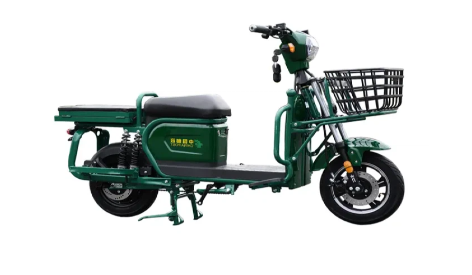
Electric bikes offer numerous advantages that make them appealing to commuters, adventurers, and casual riders alike.
E-bikes produce zero emissions, reducing your carbon footprint. They’re a sustainable alternative to cars or motorcycles, helping cities combat air pollution and traffic congestion.
Compared to owning a car, e-bikes are incredibly economical. There’s no fuel cost, insurance, or parking fees. The only ongoing expenses are for battery charging and occasional maintenance.
With pedal assistance, riders can easily tackle hills, headwinds, and long distances without arriving sweaty or exhausted—ideal for daily commutes.
Even with motor assistance, you still pedal and get exercise. Studies show that e-bike riders tend to ride longer and more frequently than those with traditional bikes, improving cardiovascular health and endurance.
E-bikes make cycling more inclusive for people of different ages and fitness levels. Seniors and individuals recovering from injuries can enjoy cycling without overexertion.
Electric bikes make cycling enjoyable again. The smooth acceleration and speed add a sense of freedom—whether commuting to work or exploring scenic routes.
To understand an e-bike fully, let’s look at its main components and their functions:
Component | Function |
Motor | Provides the electric assist; available in hub-drive or mid-drive types. |
Battery | Supplies power to the motor; capacity measured in watt-hours (Wh). |
Controller | Regulates power delivery from the battery to the motor. |
Sensors | Detect pedal motion and force to adjust assistance levels. |
Display Panel | Shows data like speed, distance, and battery life. |
Brakes | Hydraulic or mechanical disc brakes ensure safe stopping. |
Frame and Tires | Provide structure and stability for various riding conditions. |
Understanding these parts helps buyers make informed decisions and maintain their bikes effectively.
Buying an e-bike involves more than just picking a stylish model. Here are the key factors to consider:
City commuting: Choose a lightweight commuter bike with medium motor power (250–350W).
Off-road: Go for a mountain e-bike with strong torque (500–750W) and suspension.
Cargo transport: Look for reinforced frames and high-load capacity.
Hub Motors: Simpler, cheaper, quieter. Best for flat terrains.
Mid-Drive Motors: Offer superior balance and climbing power. Suitable for steep or uneven terrain.
Measured in watt-hours (Wh).
Higher capacity means longer range but also more weight and cost.
For daily commuting, 400–600 Wh is ideal; for long rides, 700–1000 Wh may be necessary.
Range depends on terrain, rider weight, assistance level, and weather. Most e-bikes cover 30–100 km per charge.
Look for adjustable seats, ergonomic handlebars, and durable frames made of aluminum or carbon fiber.
Front and rear lights for visibility.
Reflectors and brake lights for night rides.
Hydraulic disc brakes for reliable stopping power.
Proper maintenance ensures safety, performance, and battery longevity.
Charge after every ride if possible; avoid complete discharge.
Store in a cool, dry place away from direct sunlight.
Avoid overcharging or using damaged chargers.
Check tire pressure regularly for efficient riding and brake responsiveness for safety.
Use a damp cloth to wipe dirt and dust. Avoid high-pressure washing, which can damage electrical components.
Many modern e-bikes include smart systems—keep firmware up to date for better performance.
Schedule maintenance every six months to check wiring, connections, and motor health.
With proper care, a quality electric bike can last 5–10 years, making it a smart long-term investment.
Before purchasing or riding an e-bike, it’s important to know local laws. Regulations vary by country, but most classify e-bikes into categories based on speed and power:
Class 1 (Pedal Assist): Motor assists up to 20 mph (32 km/h). Pedaling required.
Class 2 (Throttle): Can use motor-only mode up to 20 mph.
Class 3 (Speed Pedelec): Pedal assist up to 28 mph (45 km/h); helmets usually required.
Some regions may also restrict motor power (typically 250W or 500W maximum) or require registration for high-speed models.
Always verify local e-bike laws before purchasing to ensure compliance and safety.
Electric bikes represent a transformative step toward sustainable, accessible, and enjoyable transportation. They combine the simplicity of cycling with the power of modern electric technology, offering benefits for commuters, adventurers, and the environment alike.
Whether you’re looking to reduce your carbon footprint, save money on fuel, or simply enjoy the thrill of effortless cycling, an e-bike is a perfect choice.
If you’re exploring reliable electric bike motors and components, visit www.hofanmotor.com.
Hofan Motor specializes in high-quality electric drive systems designed for performance, efficiency, and long-term durability. Their innovative motor technology helps e-bikes deliver smoother rides and higher energy efficiency.
You can explore their product range or reach out to their team for expert advice—without any pressure to buy.
By choosing dependable electric motor solutions, you ensure your electric bike performs at its best—efficiently, safely, and sustainably.


