
Views: 0 Author: Site Editor Publish Time: 2026-03-13 Origin: Site


What should you wear before starting an ATV ride? Many riders think about speed, terrain, and adventure first. Yet clothing plays a major role in the entire riding experience. Without the right gear, dust, heat, and debris can quickly turn an exciting ride into an uncomfortable one.
Riding an ATV often means exploring rough trails, open fields, or wooded paths. These environments expose riders to sun, wind, and unexpected obstacles. Proper riding apparel helps protect the body while allowing smooth movement and better control of the vehicle.
In this article, we will explore what to wear when riding an ATV. You will learn about essential riding gear, the best clothing materials, and useful accessories. By the end, you will know how the right outfit improves comfort, safety, and confidence on every off-road adventure.
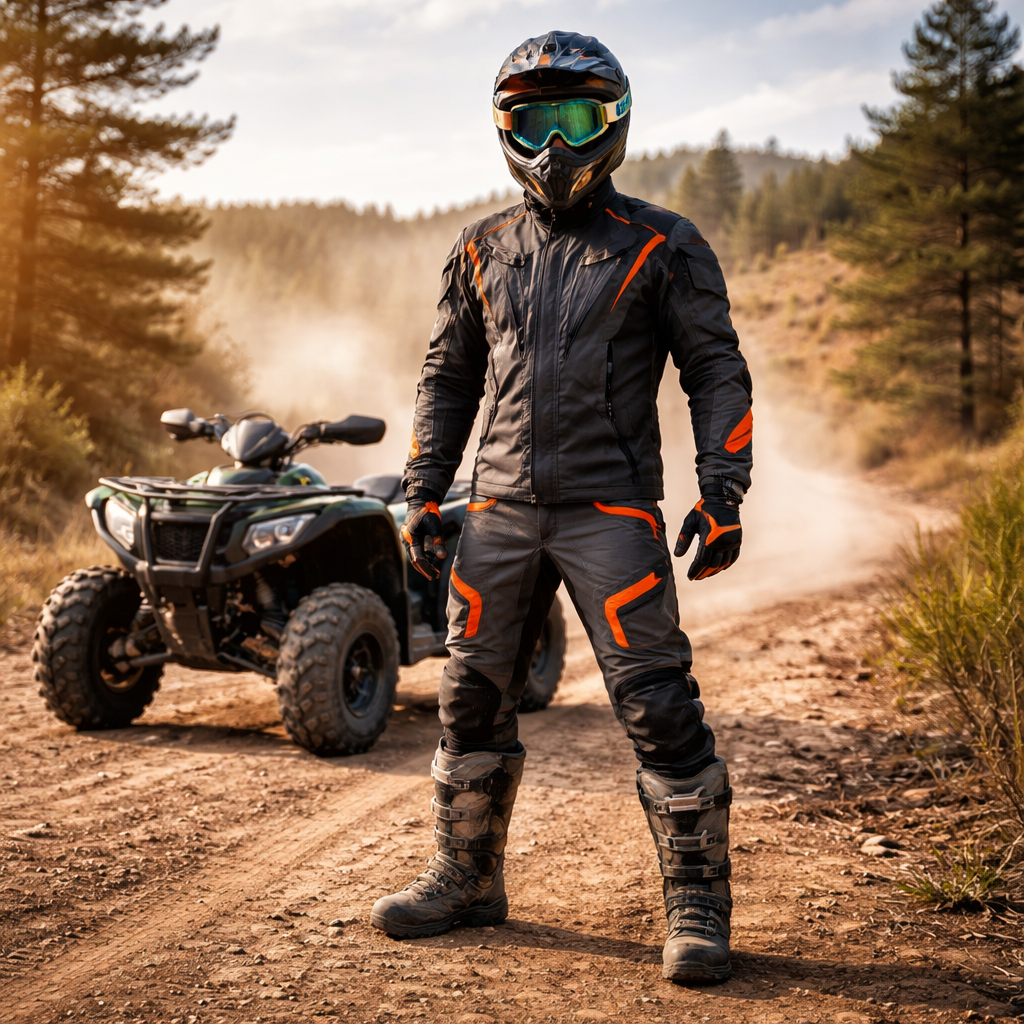
A helmet remains the most important piece of ATV riding equipment. Off-road trails often include loose gravel, branches, and uneven ground. A strong helmet protects the rider’s head from impacts during unexpected bumps or falls.
Most riders choose a DOT-approved motocross or off-road helmet because it offers:
● Full head protection
● Chin and face coverage
● Ventilation for airflow
● Compatibility with riding goggles
Full-face helmets are particularly useful on longer rides because they reduce wind fatigue and help keep dust away from the rider’s face.
ATVs usually lack windshields. This means dust, dirt, insects, and small debris can easily reach a rider’s eyes. Protective goggles solve this problem.
Good riding goggles offer several benefits:
● Anti-fog lenses for clear vision
● UV protection for sunny rides
● Foam sealing to block dust
● Strong impact-resistant lenses
Clear vision improves reaction time and helps riders stay aware of trail conditions.
Short sleeves may feel cooler during warm weather, but they leave skin exposed to sunburn and brush scratches. Long-sleeve shirts provide better protection.
Ideal ATV riding shirts should be:
● Lightweight
● Breathable
● Flexible for movement
● Durable against abrasion
Many riders prefer performance fabrics designed for outdoor sports. These fabrics keep riders cool while protecting skin from trail hazards.
Leg protection is essential when riding through rough terrain. Durable riding pants prevent scratches from branches and small rocks.
Common options include:
● Reinforced riding pants
● Denim jeans
● Off-road motocross pants
Many ATV riding pants also include knee reinforcement panels, which increase durability during long rides.
Gloves serve two key purposes: protection and control. Riding an ATV requires a constant grip on the handlebars, and gloves help reduce fatigue over time.
Key benefits include:
● Improved grip on controls
● Reduced hand fatigue
● Protection from blisters
● Shielding from flying debris
Gloves with padded palms and breathable materials work well for most riding environments.
Footwear should provide strong support and stability. Boots designed for outdoor riding protect the ankles and feet from debris or engine heat.
Footwear Type | Protection Level | Typical Use |
Hiking boots | Medium protection | Light trail riding |
Work boots | High durability | Utility ATV work |
Motocross boots | Maximum protection | Aggressive off-road riding |
Proper boots also improve traction on footrests. Riders maintain better balance while shifting weight across uneven terrain.
Note: Avoid sandals or open-toe shoes. They provide no protection against debris or engine heat.
Outdoor rides often involve heat, dust, and physical movement. Breathable fabrics help keep riders cool and dry.
Moisture-wicking materials move sweat away from the skin and allow it to evaporate quickly. This helps regulate body temperature and prevents discomfort during long rides.
Popular materials include:
● Polyester performance fabrics
● Synthetic outdoor blends
● Lightweight technical fabrics
These fabrics are common in modern ATV riding apparel because they balance comfort and durability.
Trail riding exposes clothing to rough conditions. Branches, rocks, and dirt can quickly wear down low-quality fabrics.
Durable ATV clothing often uses:
● Reinforced textile fabrics
● Heavy cotton blends
● Abrasion-resistant panels
High-quality riding gear helps maintain comfort even during long off-road sessions. Riders who frequently explore rugged terrain with strong machines, such as HOFAN ATVs, often choose reinforced apparel designed for durability.
Different rides call for different clothing types. Some riders prefer lightweight gear for casual trails, while others require more durable equipment for demanding environments.
Riding Situation | Recommended Clothing |
Casual trail rides | Lightweight breathable apparel |
Long recreational rides | Reinforced riding shirts and pants |
Rough terrain riding | Heavy-duty off-road riding gear |
Work or utility use | Durable outdoor clothing |
Choosing the right balance between comfort and durability helps riders stay comfortable throughout the entire ride.
Off-road trails often include uneven ground, rocks, and mud. Strong boots protect the rider’s feet while also improving stability when stepping off the ATV.
Important boot features include:
● High ankle support
● Slip-resistant soles
● Water resistance
● Durable outer materials
Many experienced riders choose boots designed for motocross or off-road riding because they provide the best protection.
Hand protection improves control of the ATV and reduces fatigue during long rides.
Good ATV gloves should offer:
● Strong grip surfaces
● Breathable materials
● Flexible finger movement
● Padding in high-pressure areas
Gloves also protect hands from dust and small debris while riding through trails.
Warm weather riding requires breathable clothing that protects skin without trapping heat.
Recommended summer riding clothing includes:
● Lightweight long-sleeve shirts
● Ventilated gloves
● Breathable riding pants
● Moisture-wicking base layers
Light colors help reflect sunlight and reduce heat absorption.
Cold environments require layered clothing. Layering allows riders to adjust insulation depending on temperature changes.
A common layering system includes:
1. Base layer: moisture-wicking shirt
2. Mid layer: insulating fleece or thermal clothing
3. Outer layer: wind-resistant riding jacket
This system helps maintain warmth while allowing airflow during active riding.
Rain introduces additional challenges for ATV riders. Mud, moisture, and cold wind can quickly reduce comfort.
Gear Type | Purpose |
Waterproof jacket | Keeps upper body dry |
Water-resistant pants | Prevents moisture buildup |
Waterproof boots | Protects feet from mud |
Protective gloves | Maintain grip in wet conditions |
Machines built for diverse terrain, including HOFAN ATVs, often operate in muddy or wet environments. Waterproof riding gear becomes extremely useful during these rides.
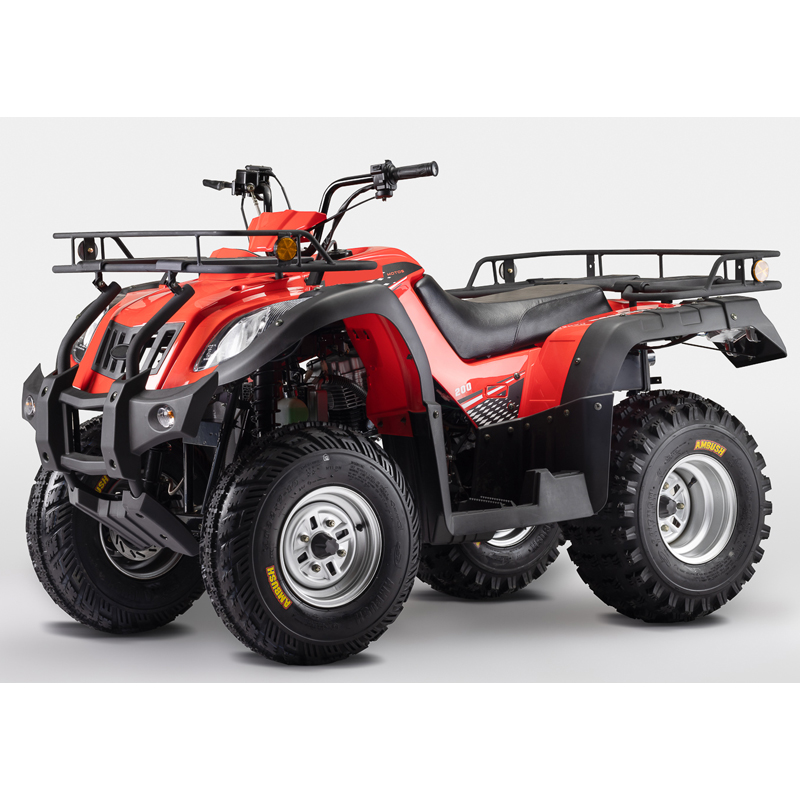
Trail riding sometimes involves rough terrain or sudden bumps. Knee and elbow pads add an extra layer of protection.
Benefits include:
● Impact protection
● Improved confidence while riding
● Reduced joint strain
Many riders integrate pads directly into their riding pants or jackets.
Chest protectors add protection for the upper body while maintaining flexibility. These are commonly used during aggressive off-road riding.
Riding vests often include:
● Ventilation panels
● Lightweight protective padding
● Adjustable straps
They help protect the rider’s torso from debris and minor impacts.
Dust becomes a major issue on dry trails. A neck gaiter or bandana helps filter dust and protect the rider’s face.
Benefits include:
● Dust filtration
● Sun protection
● Added comfort in windy environments
A dedicated riding jacket combines protection and flexibility. Many designs include reinforced panels and ventilation systems.
Key features often include:
● Breathable mesh panels
● Adjustable cuffs
● Wind resistance
● Reinforced shoulders and elbows
These jackets improve comfort during long rides across changing terrain.
Clothing should allow free movement while remaining secure. Gear that is too loose may snag on parts of the ATV, while gear that is too tight may restrict movement.
A balanced fit allows riders to shift weight and control the ATV comfortably.
Outdoor temperatures can change quickly during long rides. Layered clothing makes it easy to adjust comfort levels.
Many experienced riders keep an extra lightweight jacket in their storage compartment.
Extended trail rides sometimes last several hours or even full days. Extra gear helps riders stay comfortable if conditions change.
Common backup items include:
● Spare gloves
● Extra socks
● Lightweight rain jackets
● Replacement shirts
Tip: Keep spare gear in a waterproof storage bag. This protects clothing from dust and mud during long rides.
Choosing the right clothing for an ATV ride greatly improves comfort and riding control. Essential gear such as helmets, gloves, boots, goggles, and durable clothing protects riders from dust, sunlight, debris, and changing trail conditions. These items create a reliable foundation for safe and enjoyable off-road adventures while allowing riders to move freely across rough terrain.
Material selection also plays an important role during ATV rides. Breathable fabrics help riders stay cool in warm environments, while stronger materials resist wear on rocky trails. Layered clothing adapts easily to shifting weather, allowing riders to remain comfortable throughout the journey.
Reliable vehicles also enhance the riding experience. Companies like Wuxi Hongfan Group. produce durable ATVs designed for power, stability, and long service life. Their machines support riders across demanding terrain while delivering dependable performance and practical value for recreational and utility use.
A: When riding an ATV, wear protective gear that covers the entire body. A helmet, goggles, long-sleeve shirt, durable pants, gloves, and over-the-ankle boots are essential. This gear protects you from dust, debris, sun exposure, and rough terrain while improving control and comfort during the ride.
A: A helmet protects the head from impacts during bumps or unexpected falls. When riding an ATV on uneven trails, sudden movements can occur. A well-fitted helmet helps absorb shock and protects the face and skull, making it the most important piece of ATV riding gear.
A: Regular clothes can work for short rides, but they should still provide full coverage and durability. When using an ATV, riders should avoid shorts, loose clothing, or sandals. Instead, choose long sleeves, long pants, gloves, and sturdy boots to stay protected and comfortable.
A: The best materials balance comfort and durability. Breathable fabrics help regulate body temperature during warm weather, while reinforced fabrics protect against abrasion on rough ATV trails. Moisture-wicking materials are also useful for keeping riders dry during long rides.
A: Boots with strong ankle support and durable soles are best for ATV riding. They help stabilize your feet on the footrests and protect against rocks, debris, and engine heat. Many riders choose motocross or heavy-duty outdoor boots because they offer better traction and protection.
A: Yes, weather conditions affect the type of gear you should wear when riding an ATV. In hot weather, lightweight and breathable clothing works best. In colder environments, layered clothing helps maintain warmth. Waterproof jackets and boots are helpful when riding in rain or muddy conditions.


