
Views: 0 Author: Site Editor Publish Time: 2026-04-13 Origin: Site


Have you ever stopped at the pump and wondered if you were choosing the right fuel? Many riders do, and it is a more important question than it seems. Most Gasoline Motorcycles use unleaded gasoline, but the right choice does not stop there. Fuel grade depends on your engine, its octane needs, and how it was designed to perform. Experienced manufacturers such as Hongfan build motorcycles around clear fuel requirements, so using the proper gasoline helps support smooth performance and long engine life.
In this article, you will learn what type of gasoline motorcycles use, how octane affects performance, and why ethanol content matters. We will also cover practical fueling tips so you can make better choices every time you ride.
Modern motorcycles almost universally rely on unleaded gasoline. This fuel type replaced leaded gasoline years ago due to environmental and engine compatibility reasons. Today, unleaded gasoline supports cleaner combustion and works efficiently with modern engine systems.
For riders, this simplifies the first step. When you pull up to a pump, you’re almost always choosing between grades of unleaded gasoline—not different fuel types entirely. The real decision lies in selecting the correct octane rating. Unleaded gasoline also works well across various motorcycle categories, from daily commuters to performance bikes. It ensures smoother combustion and consistent operation, making it the default fuel choice across the industry.
Not all motorcycles use the same fuel grade. Engine design determines what works best. Compression ratio, combustion temperature, and tuning all affect fuel needs.
Here’s a quick comparison:
Fuel Grade | Octane Rating | Typical Use Case |
Regular | 87 | Commuter, cruiser motorcycles |
Mid-grade | 89–90 | Some touring models |
Premium | 91–94 | Sport and high-performance motorcycles |
Higher octane fuel resists early ignition. Lower octane works well in engines designed for lower pressure. Choosing the right grade ensures stable combustion and smooth riding.
When in doubt, always check your motorcycle’s owner’s manual. It provides the minimum octane requirement and often includes additional fuel recommendations.
Manufacturers test engines extensively before releasing them. The fuel specifications listed in the manual reflect those tests. Following them ensures your engine runs as intended, delivering consistent power and efficiency.
Ignoring this guidance may not cause immediate issues, but over time it can affect performance and engine health. So instead of guessing, rely on the manual—it’s your most accurate source of information.
Motorcycles differ in design, purpose, and performance goals. These differences directly influence fuel requirements. Compression ratio plays a major role, but so do factors like engine size, cooling systems, and tuning.
For example, a lightweight commuter bike focuses on efficiency and simplicity, while a sport bike prioritizes speed and responsiveness. These priorities require different fuel characteristics. Manufacturers such as Hongfan produce a wide range of motorcycles, from urban commuters to higher-performance models. Each category is engineered with specific fuel needs in mind. Understanding your bike’s category helps you choose the correct gasoline more confidently.
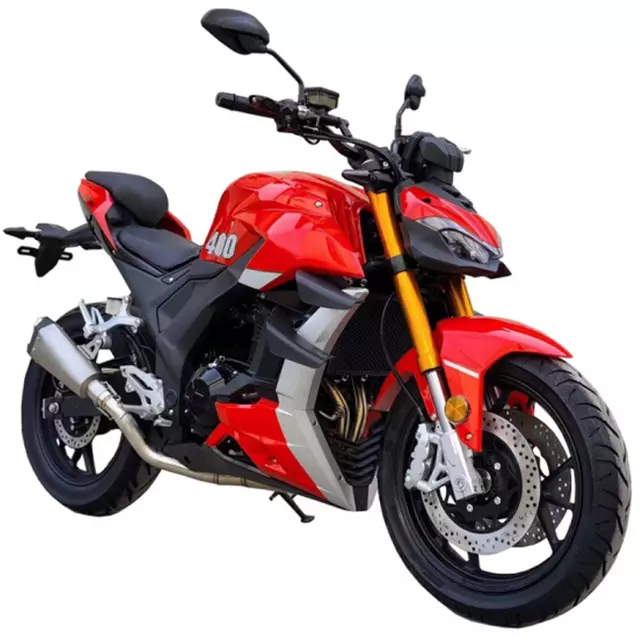
Commuter and cruiser motorcycles are designed for smooth, reliable rides. These bikes often use lower compression engines, which means they can run efficiently on regular unleaded gasoline. For everyday riders, this is good news. Regular gasoline is widely available and cost-effective. It provides the right balance of performance and efficiency for daily use.
These motorcycles focus on steady power delivery rather than aggressive acceleration. As a result, they don’t require high-octane fuel to prevent knocking. Using the recommended grade ensures consistent riding without unnecessary fuel costs.
Sport motorcycles operate under higher stress. Their engines generate more power by increasing compression and operating at higher RPMs. This makes them more sensitive to fuel quality.
Premium gasoline, usually rated 91 or higher, is often required for these bikes. It resists premature ignition and keeps combustion stable under extreme conditions.
Without the correct octane, performance may drop. The engine may adjust timing to compensate, which reduces efficiency. By using premium fuel where required, riders maintain peak performance and smoother operation.
Touring and adventure motorcycles sit somewhere in the middle. Their fuel needs vary depending on engine size and intended use.
Some models are optimized for long-distance efficiency and can run on regular gasoline. Others, especially larger engines, may require mid-grade or premium fuel.
When traveling long distances, fuel availability becomes a factor. Knowing your bike’s minimum requirement helps you make smart choices, even when options are limited.
Motorcycles from different eras respond differently to today’s gasoline. Older models tend to be more sensitive to fuel composition, while newer bikes benefit from advanced systems. Understanding these differences helps riders choose the right fuel and maintain stable performance.
Aspect | Older Motorcycles | Newer Motorcycles |
Fuel System | Basic systems, often carbureted | Advanced fuel injection systems |
Sensitivity to Ethanol | More sensitive to ethanol content and moisture | Better tolerance due to improved materials |
Fuel Management | Limited or no automatic adjustments | Adjusts ignition timing and fuel delivery |
Octane Requirement | Still requires correct octane for proper function | Also depends on precise octane matching |
Overall Performance | More affected by poor fuel quality | More stable but still relies on proper fuel |
No matter the model year, one rule always applies. Matching the fuel to the engine design ensures smoother operation and long-term reliability.
Octane rating measures a fuel’s resistance to knocking. Knocking occurs when fuel ignites too early in the engine cycle, disrupting smooth combustion. At gas stations, you’ll typically see ratings from 87 to 94. These numbers don’t represent power—they represent stability under pressure. Higher octane fuel resists early ignition better. This makes it suitable for engines that operate under higher compression. Understanding this helps riders make better fueling decisions.
High-performance engines compress fuel-air mixtures more tightly. This increases efficiency and power but also raises the risk of premature ignition.
To prevent this, these engines require higher octane fuel. It ensures controlled combustion and protects engine components during operation. Using the correct octane keeps the engine running smoothly. It also allows the bike to deliver its intended performance without unnecessary strain.
A common myth is that premium gasoline automatically boosts performance. In reality, it only benefits engines designed to use it.
If your motorcycle requires regular fuel, switching to premium won’t increase power. Instead, it simply adds cost without measurable gains.
The best approach is simple: use the fuel grade recommended for your engine. That’s where you’ll get the most efficient and reliable performance.
Ethanol is often blended into gasoline to reduce emissions and improve combustion efficiency. While it offers environmental benefits, it behaves differently than pure gasoline. It absorbs moisture more easily and can affect fuel stability. This makes it important for riders to understand how much ethanol their motorcycle can handle.
Most motorcycles can tolerate some ethanol, but only within certain limits.
When choosing fuel, ethanol content becomes an important factor. E10 is one of the most widely used options, offering a balance between availability, compatibility, and everyday practicality for most motorcycles.
Feature | E10 Fuel (Up to 10% Ethanol) |
Ethanol Content | Contains up to 10% ethanol |
Availability | Widely available at most fuel stations |
Engine Compatibility | Suitable for most modern motorcycles |
Manufacturer Support | Commonly approved by manufacturers |
Environmental Impact | Helps reduce emissions compared to pure gasoline |
Practical Use | Reliable choice for daily riding |
For most riders, E10 provides a safe and convenient fueling option, especially when it matches the motorcycle’s recommended fuel specifications.
Fuels like E15 or E85 contain higher ethanol percentages. These blends are not suitable for most motorcycles. Higher ethanol content can affect fuel systems and reduce fuel stability. Over time, it may impact engine performance and reliability. Sticking to lower ethanol blends helps maintain consistent operation and avoids unnecessary complications.
Motorcycles that sit unused for weeks require extra attention. Fuel can degrade over time, especially when ethanol is present. Using fresh gasoline and adding a stabilizer can help maintain fuel quality. This prevents issues when the bike is started again.
For seasonal riders, this simple step can make a significant difference in reliability.
Tip: If a motorcycle will sit for over a month, use fuel stabilizer and keep the tank full to reduce moisture buildup.
Choosing the right fuel is not just about picking unleaded gasoline. Many riders make small but important mistakes at the pump. These mistakes may not show immediate problems, but they can affect performance, efficiency, and long-term reliability. Understanding them helps you fuel smarter and ride with more confidence.
Mistake | What Happens | Correct Approach |
Using Premium When Not Required | No performance gain, higher fuel cost | Use the grade recommended by the manufacturer |
Ignoring Minimum Octane | Engine knocking, reduced efficiency, possible long-term stress | Always meet the minimum octane requirement |
Overlooking Ethanol Content | Fuel instability, potential impact on fuel system health | Check both octane rating and ethanol percentage |
Using premium fuel only helps when the engine is designed for it. Otherwise, it increases cost without benefit. At the same time, using fuel below the required octane may lead to knocking and reduced efficiency. Even if the bike seems fine, internal stress can build over time.
Ethanol content is another factor many riders overlook. It affects fuel behavior and storage stability. Staying within recommended limits helps maintain consistent engine performance.
Note: Always check both octane rating and ethanol percentage before refueling.
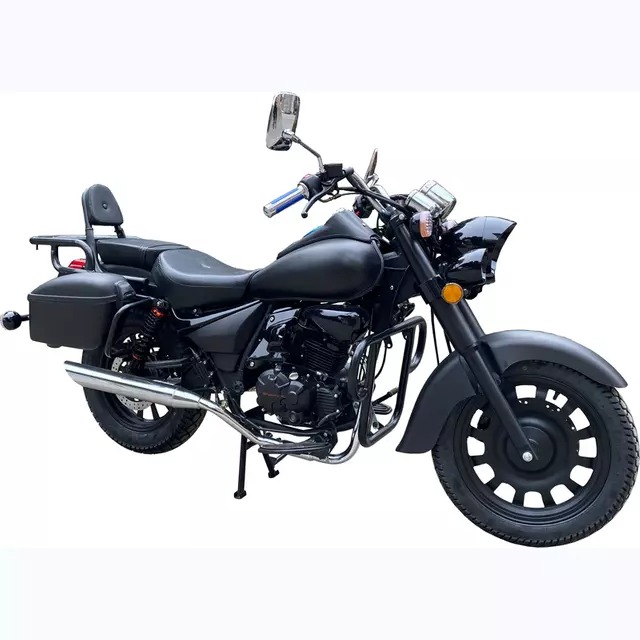
Before filling up, confirm your motorcycle’s fuel requirements. This habit prevents mistakes and ensures consistent performance. It only takes a few seconds to check the manual or label, but it helps avoid long-term issues and unnecessary costs.
Riding conditions can influence fuel needs more than many riders expect. High temperatures, heavy traffic, or long-distance riding may require closer attention to fuel quality and consistency. Adjusting your fueling choices based on these conditions helps maintain smooth operation and stable engine behavior.
Fuel quality varies between stations, even if the grade looks the same. Choosing reliable stations with fresh fuel reduces the risk of contamination and inconsistent performance. Established manufacturers like Hongfan, known for their certified production standards, emphasize consistent fuel quality as a key factor in maintaining engine longevity and dependable riding results.
So, what type of gasoline do motorcycles use? Most Gasoline Motorcycles run on unleaded gasoline, yet the correct choice depends on the engine’s required octane rating and fuel compatibility. When we follow the manufacturer’s recommendation, we help the engine run smoothly and maintain steady performance over time. Choosing the right octane and avoiding high ethanol blends supports better efficiency and more reliable riding.
Manufacturers such as Wuxi Hongfan Group. design motorcycles with clear fuel requirements, ensuring their products deliver stable performance and long-term value. Their engineering focus helps riders achieve consistent operation and dependable results. With the right fuel and proper care, motorcycles provide smoother rides, improved efficiency, and greater confidence on every journey.
A: Most Gasoline Motorcycles use unleaded gasoline. The correct choice depends on the bike’s required octane rating, which is usually listed in the owner’s manual.
A: No. Not all Gasoline Motorcycles need premium fuel. Many commuter and cruiser models run well on regular unleaded, while high-performance bikes often need 91 octane or higher.
A: Some Gasoline Motorcycles have high-compression engines. They need higher-octane fuel to prevent knock and keep combustion smooth under greater pressure.
A: Check the owner’s manual first. It gives the minimum octane requirement and helps you choose the right unleaded gasoline for your specific model.
A: Many Gasoline Motorcycles can use E10 fuel. Higher ethanol blends like E15 or E85 are usually not recommended because they may affect fuel system performance and stability.
A: It is only worth it when your motorcycle requires it. If your bike is designed for regular fuel, premium usually adds cost without adding useful performance.


