
Views: 0 Author: Site Editor Publish Time: 2025-12-05 Origin: Site


Motorcycles, like cars, are powered by gasoline engines, but the type of gasoline used in motorcycles can differ slightly from the fuel used in regular vehicles. Understanding the specific type of gasoline a motorcycle needs is essential for maintaining engine performance, fuel efficiency, and overall longevity. In this blog, we will explore the different types of gasoline used in motorcycles, the importance of choosing the right fuel, and how it can impact your motorcycle’s performance and maintenance needs.
Motorcycles typically use regular unleaded gasoline, but not all gasoline is created equal. The type of gasoline that is ideal for your motorcycle depends on several factors, including the engine’s design, manufacturer recommendations, and the specific performance needs of the bike.
The most common type of gasoline used in motorcycles is regular unleaded gasoline, often referred to as 87 octane fuel. This type of fuel is suitable for most motorcycles, particularly those with lower compression engines. Regular unleaded fuel is typically the most cost-effective option and provides sufficient power for a wide range of motorcycles.
Motorcycles with engines designed for regular fuel will perform efficiently and effectively with 87 octane gasoline. It’s essential to check your motorcycle’s owner manual to confirm the required octane rating for your bike, as using lower-quality fuel in high-performance engines could lead to knocking, poor fuel economy, and engine damage.
Mid-grade gasoline, which typically has an octane rating of 89, is sometimes recommended for motorcycles with slightly higher-performance engines that need more resistance to knocking or pre-ignition. This fuel provides better compression resistance compared to regular unleaded gasoline and can be used in motorcycles that require a higher compression ratio than what 87 octane fuel provides.
Motorcycles equipped with larger engines, such as sport touring bikes or some cruiser motorcycles, might benefit from mid-grade fuel for smoother performance and enhanced combustion. However, not all motorcycles require this level of octane, so it's important to refer to the manufacturer’s guidelines.
Premium gasoline, with an octane rating ranging from 91 to 94, is often recommended for high-performance motorcycles or bikes with high-compression engines, such as sports motorcycles and racing motorcycles. Premium fuel provides maximum resistance to knocking, allowing the engine to perform at its peak efficiency, especially under demanding riding conditions, like high speeds or heavy acceleration.
While premium gasoline can enhance performance and engine health, it's important to note that it is typically more expensive than regular or mid-grade fuel. For motorcycles that don’t require premium gasoline, using it can be an unnecessary expense without significant benefits. Always check your motorcycle's specifications to ensure that premium fuel is truly necessary for your engine.
The octane rating of gasoline is a critical factor in ensuring optimal performance and efficiency of your motorcycle engine. This rating measures the fuel's ability to resist engine knocking, also referred to as pre-ignition or detonation. Knocking occurs when the air-fuel mixture in the engine’s cylinders ignites prematurely due to excessive heat and pressure, causing a knocking or pinging sound. High-octane fuel resists this early ignition, making it crucial for high-compression engines.
Using the correct octane rating is essential for ensuring that your motorcycle runs efficiently. For motorcycles designed for regular unleaded gasoline (87 octane), using a higher-octane fuel such as premium gasoline (91+ octane) will not provide any noticeable benefit. The engine is designed to handle the lower octane rating, and the use of higher-octane fuel does not increase performance or fuel efficiency. In fact, using premium fuel when regular gasoline is recommended can lead to unnecessary expenditure without any additional advantages.
For example, if you use 91 octane in an engine designed for 87 octane fuel, the engine will not perform any differently. In fact, it may even be a waste of money since the engine is tuned to perform at its best with regular fuel. The extra cost of premium gasoline doesn’t translate into improved performance, which is why most riders with standard motorcycles are better off using 87-octane gasoline.
It’s a common misconception that using premium fuel will always make your motorcycle perform better. However, in most cases, using high-octane fuel in an engine designed for lower octane fuel does not lead to any improvement in power, fuel economy, or engine longevity. In fact, the engine’s computer system is designed to optimize performance based on the octane rating that is used, so using a higher-octane fuel than necessary can be an inefficient use of your resources. It is only when the engine is designed to operate at higher compression ratios (as in high-performance motorcycles) that higher-octane fuel becomes a necessity for peak performance.
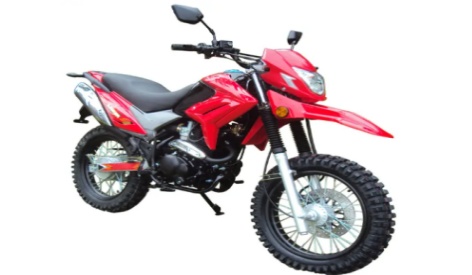
In many parts of the world, gasoline is mixed with ethanol, typically in concentrations of 10% (E10) or 15% (E15). Ethanol is an alcohol-based fuel additive that helps reduce carbon emissions, making it more environmentally friendly compared to pure gasoline. However, the presence of ethanol in fuel can present some challenges for motorcycle owners, particularly for vintage or older bikes.
E10 is the most common type of ethanol-blended gasoline found in many motorcycles and cars today. It consists of 90% gasoline and 10% ethanol. Modern motorcycles are generally designed to handle E10 fuel, and it’s widely available at most fuel stations. For many newer motorcycles, E10 is perfectly safe to use and may even provide benefits in terms of cleaner burning fuel and improved combustion.
However, there are some downsides to ethanol-blended fuels. Ethanol can absorb moisture from the air, which can lead to fuel system corrosion, especially if the bike is left unused for extended periods. Ethanol also has a lower energy density than gasoline, meaning it can reduce fuel economy slightly. For this reason, some riders choose to avoid ethanol-blended gasoline if their bike isn’t specifically designed for it.
E15 gasoline contains 15% ethanol and is more commonly found in some regions. However, it is not suitable for motorcycles, particularly older models, as it can cause damage to engine components, fuel systems, and rubber seals. Most motorcycle manufacturers do not recommend using E15 in their bikes. Higher ethanol concentrations, such as E85 (85% ethanol), should also be avoided unless your motorcycle is specifically designed to run on ethanol-based fuels.
To ensure you choose the right gasoline for your motorcycle, always consult the owner’s manual or check the manufacturer’s specifications. These documents will provide you with the recommended octane rating and any fuel additives that should or should not be used.
Here are a few general guidelines to follow:
Check the Octane Rating: Use the fuel with the recommended octane rating for your motorcycle’s engine. Using the wrong octane can lead to poor performance and engine damage.
Look for Ethanol Content: If you’re using a motorcycle that’s older or vintage, consider using ethanol-free gasoline to avoid potential issues with fuel system damage. Many newer bikes are designed to work with E10 or E15, but it’s always best to double-check.
Consider Premium Fuel for High-Performance Bikes: If you own a high-performance sportbike or touring motorcycle, premium gasoline with a higher octane rating might be necessary for optimal performance.
Ethanol-Free Gasoline for Storage: If you plan to store your bike for a long period, it’s advisable to use ethanol-free gasoline to avoid the moisture-absorbing effects of ethanol.
Stay Consistent: Once you’ve chosen the right gasoline, try to stick with it. Switching between fuel types too frequently can cause inconsistencies in engine performance.
Many motorcycle owners opt to use fuel additives alongside gasoline to help improve fuel quality, engine performance, and longevity. Fuel additives can help clean fuel injectors, reduce carbon deposits, and prevent fuel system corrosion—especially in motorcycles that are used infrequently.
However, it’s important to note that not all motorcycles require fuel additives. Before using any additives, consult your bike's manual to ensure they won’t cause damage or void your warranty. If you’re using ethanol-blended fuel, especially E10, additives designed to protect against ethanol-related issues may be beneficial.
Choosing the right gasoline for your motorcycle is critical for ensuring its longevity, performance, and efficiency. The type of gasoline you use depends on factors like your motorcycle's engine type, the recommended octane rating, and the presence of ethanol in the fuel. By following manufacturer recommendations and selecting the appropriate fuel, you can help your motorcycle run smoothly and efficiently.
At Hofan Motor, we understand the importance of high-quality fuel and maintenance for your motorcycle's performance. Whether you are looking for advice on fuel selection or need premium motorcycle parts and accessories, we are here to help. We encourage you to visit www.hofanmotor.com to explore more about our products and learn how we can support your motorcycle needs. Contact us today to discuss your requirements and find the perfect solution for your bike.


